
How to Get a Jewelry Appraisal: A Trustworthy Guide
A professional jewelry appraisal is a formal, documented opinion of value based on a physical examination by a qualified expert. The key is matching the appraiser’s credentials to your specific need, be it insurance replacement, fair market value for an estate, or IRS compliance, to end up with a defensible report, not just a number.
I learned this the hard way. Years ago, I took my grandmother’s delicate seed pearl necklace to a local jeweler for a “quick look.” He glanced at it, said “nice old piece,” and scribbled $450 on his shop stationery. When a clasp broke and a pearl was lost, my insurer said the note was worthless, it lacked a methodology, credentials, and even a proper description. I was heartbroken. That experience taught me that an appraisal isn’t a receipt; it’s a shield. Done right, it protects your story. Done wrong, it’s just expensive paper.
This guide walks you through finding a true expert, demystifies what happens on the appraisal bench, and shows you how to ensure the final document will stand up when it matters most.
Key Takeaways
- A legitimate appraiser needs both gemological training (like the GIA Graduate Gemologist diploma) and formal valuation science credentials from an organization like the Appraisal Institute.
- The purpose dictates the value. An insurance replacement value is typically 20-40% higher than a fair market value for the same piece.
- For IRS donations over $5,000 or court proceedings like divorce, you need a specific Fair Market Value Appraisal that follows strict regulatory guidelines.
- Update insurance appraisals every two to three years. Markets for metals, gems, and labor change.
- Store your appraisal document separately from the jewelry, like in a fireproof safe or safe deposit box. You cannot process a claim without it.
What Type of Appraisal Do You Actually Need?
Your first question isn’t “who,” but “why.” The purpose of the appraisal dictates everything, the valuation method, the appraiser’s focus, and the number on the page. Getting this wrong renders the document useless for its intended task.
A jewelry appraisal is a systematic evaluation where a qualified professional examines, measures, and tests each component of a piece, gemstones, metals, and craftsmanship, to determine its identity, characteristics, and appropriate value based on current market data and the intended purpose of the appraisal.
You’re typically dealing with one of four scenarios, each with a different financial and legal outcome.
| Your Goal | Correct Valuation Method | What the Number Means | Critical Detail |
|---|---|---|---|
| Insurance Coverage | Replacement Value | The full retail cost to replace the item with a new one of like kind and quality today. | This is the highest number. It includes retail markup and labor. It’s required for scheduling items on most jewelry insurance policies. |
| Selling or Estate Liquidation | Fair Market Value | The price a willing buyer would pay a willing seller in an open, competitive market. | This is often 20-40% lower than replacement value. It’s what you could realistically sell for, not replace for. |
| Charitable Donation (IRS) | Fair Market Value | The item’s market value on the date of donation, per strict IRS definitions. | For donations over $5,000, the IRS mandates a “qualified appraisal” by a “qualified appraiser.” The Appraisal Foundation valuation standard outlines these rules. |
| Estate Probate or Divorce | Fair Market Value | The value as of a specific date (date of death, date of separation) for legal division or taxation. | Courts often require a neutral, court-approved expert. A casual estimate won’t withstand scrutiny. |
TL;DR: Always state your purpose first. An appraisal for insurance aims high; one for a sale aims at the current market. Confusing them creates coverage gaps or legal problems.
How Do You Find a Truly Qualified Appraiser?
The most common error is assuming any friendly jeweler can provide a valid appraisal. Selling jewelry and appraising it are different professions. You need an expert witness, not a salesperson. Look for these two non-negotiable credentials:
- Gemological Training: This is the science of identifying and grading gems. The Graduate Gemologist (GG) diploma from the Gemological Institute of America is the industry benchmark.
- Valuation Science Training: This is the methodology of determining value. Look for designations from the Appraisal Institute (like the ASA) or membership in the National Association of Jewelry Appraisers, which requires adherence to the Uniform Standards of Professional Appraisal Practice (USPAP).
Common mistake: Hiring someone who claims to be “GIA certified” for appraisals.. The GIA itself cautions against this. As noted in their official GIA appraisal blog, GIA does not certify appraisers and does not offer appraisal courses. A GG graduate has gem knowledge but must seek formal valuation training elsewhere.
Start your search with professional association directories, like those from the Appraisal Institute or the Canadian Jewellers Association, whose Jewellery Appraisal Guidelines set minimum standards. You can also ask a reputable local jeweler for a referral, ethical jewelers often partner with independent appraisers to avoid conflicts of interest, a point reinforced by the Jewelers of America appraisal guide.
Expect to pay a professional fee, typically $75-$250 per item or $100-$300 per hour. A suspiciously low fee often signals an appraisal that’s a sales tool in disguise.
What Exactly Happens During the Appraisal?
A proper appraisal is a physical audit, not a guess. You should be welcome to observe. The appraiser will not disappear with your piece into a back room. The process is meticulous and transparent.
First, they’ll discuss the item’s history. Any original receipts, old appraisals, or gem certificates (like a GIA report) provide crucial provenance, especially for designer or antique pieces. This is also when you should mention if an item is vintage or antique, as the cleaning and handling approach differs, something covered in our guide on caring for antique jewelry.
Then the real work begins at the bench. Here’s what a thorough examination includes:
- Gemstone Analysis: Using a 10x loupe and often a microscope, the appraiser grades each stone. For diamonds, this means the 4Cs: Cut, Color, Clarity, and Carat weight. For colored stones, they assess hue, tone, and saturation. They measure dimensions with digital calipers.
- Metal Testing: They examine hallmarks (e.g., 14K, 750, PLAT) and typically use an electronic XRF analyzer or acid test to verify purity. The metal is weighed separately on a calibrated scale.
- Craftsmanship Assessment: The appraiser evaluates construction quality: the security of prongs, neatness of solder joints, polish, and overall design integrity.
The entire process is documented with high-resolution photographs, including macro shots of hallmarks and stone settings. These photos are part of your final report and are non-negotiable for filing a successful insurance rider for rings.
TL;DR: You should watch a specialist methodically inspect your jewelry with specialized tools. They measure, test, grade, and photograph everything. If they don’t, your report isn’t credible.
What Should a Proper Appraisal Document Include?
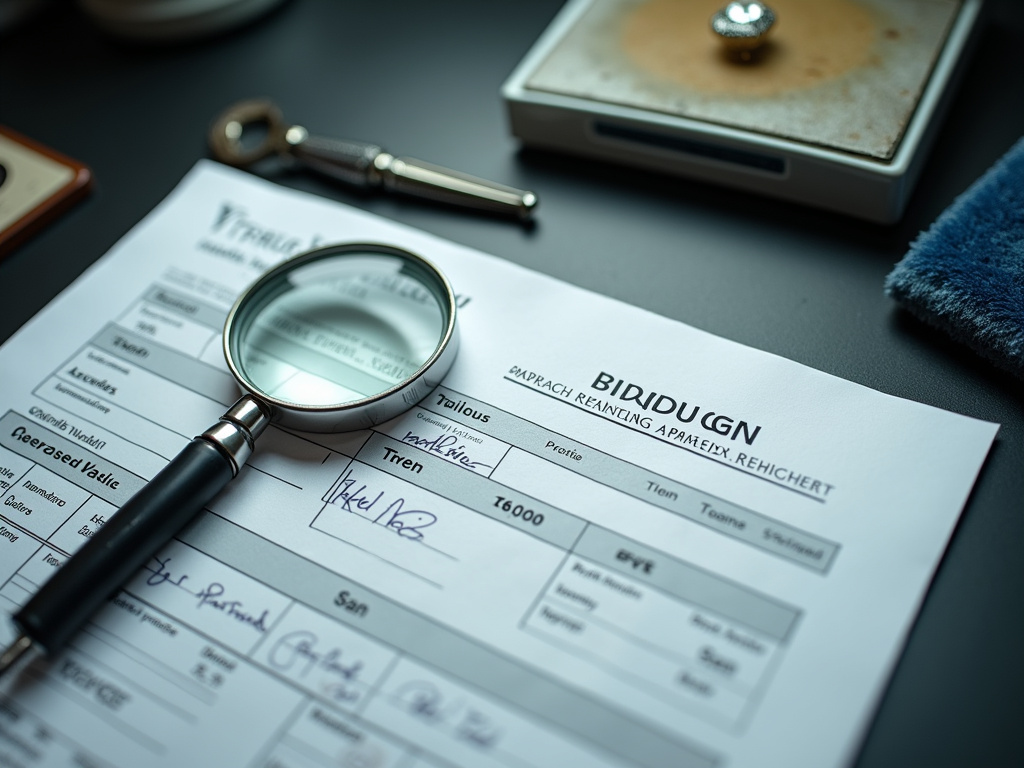
The report you receive is the product. It should be a multi-page, typewritten document, not a notepad slip. It must be detailed, clear, and defensible. Here’s the checklist for a credible appraisal:
- A Complete, Unambiguous Description: Beyond “diamond ring.” It should read: “One lady’s 18 karat white gold ring featuring one round brilliant cut diamond weighing 1.02 carats, graded F color, VS1 clarity, set in a six-prong head on a 2.3mm wide shank.”
- Full Gemstone Specifications: For diamonds, the exact cut, color, clarity, and carat weight. For other stones, the type, color, dimensions, and any detected treatments (e.g., heating, fracture filling).
- Metal Details: The metal type, purity (karat or millesimal fineness), and weight in grams.
- The Appraised Value and Defined Method: A clear statement like “Replacement Value for insurance purposes: $8,500” or “Fair Market Value for estate liquidation: $5,900.”
- Appraiser’s Credentials & Disclaimer: Their name, company, professional designations, and a statement that they have no financial interest in the item.
- Photographs: Clear, color images of the piece from multiple angles, including any hallmarks or unique features.
Keep this document forever. Store the original in a fireproof safe or safe deposit box, separate from the jewelry itself. A digital scan saved in a secure cloud folder is a wise backup. This report is your only proof for an insurer or court.
Why Are Insurance Appraisals Unique?
This is the most common reason for an appraisal, and it has specific rules. Insurers need to know the cost to replace your item at retail today, not what you paid or what it would sell for. This “replacement value” includes retail markup, sales tax, and labor.
Common mistake: Using a 10-year-old appraisal for a current claim.. Gold prices have more than tripled since the early 2000s. Diamond values fluctuate. An outdated appraisal leaves you severely underinsured, paying premiums on a phantom value while your actual coverage is a fraction of the loss.
Insurers like Jewelers Mutual and guides from the GIA recommend updating appraisals every two to three years. Re-appraisal is critical after significant market shifts or if you’ve owned the piece for over five years.
Also, understand this nuance: many insurers let you initiate a valuable ring coverage policy with a receipt. However, if you file a claim, they will require a proper, recent appraisal to justify the payout. Don’t wait for a loss to discover your paperwork is inadequate.
How Should You Prepare Your Jewelry for Appraisal?
You want the appraiser to see the piece clearly, but you must avoid causing damage. A little preparation ensures an accurate assessment and protects your items.
- Do a Gentle Clean: Use a soft, lint-free cloth to remove surface oils and dirt. For a more thorough, safe clean, follow our general jewelry cleaning best practices. Avoid harsh chemicals or ultrasonic cleaners right before the appointment.
- Gather All Documentation: Bring any original receipts, previous appraisals, gem lab reports (e.g., GIA, AGS), or designer boxes. This history can significantly impact value.
- Do NOT Attempt Repairs: Never try to re-tighten a prong, re-solder a broken shank, or polish a piece yourself before the appraisal. Let the appraiser see its true, current condition.
- Transport Securely: Bring each piece in its own soft pouch or box to prevent scratching. For storing valuable jewelry during transport, a simple, compartmentalized case works perfectly.
TL;DR: Clean it gently, bring all paperwork, leave repairs to the pros, and transport items securely. The goal is to present the piece in its authentic state.
Frequently Asked Questions
How much should a jewelry appraisal cost?
Fees vary by location and expertise. Expect a flat rate of $75 to $250 per item, or an hourly rate of $100 to $300. A complex piece with multiple gemstones or an antique requiring research will cost more. The fee should always be for the service, never a percentage of the appraised value.
Can I get a legitimate jewelry appraisal online?
No. A credible appraisal requires a hands-on, physical examination under magnification by a trained professional. Online “appraisals” based on photos are estimates at best and are worthless for insurance, legal, or sale purposes. They are often used as tools to make low purchase offers.
What’s the difference between an appraisal and a GIA certificate?
GIA Diamond Grading Report (or similar gem certificate) only describes and grades a loose diamond or gemstone. It does not assign a monetary value. An appraisal evaluates the entire finished piece of jewelry, the setting, metal, craftsmanship, and gems, and provides a value for a specific purpose like insurance or sale.
Do I need an appraisal for every piece I own?
For insurance, you only need to formally schedule items whose value exceeds your policy’s single-item limit for unscheduled jewelry. This limit is often $1,000 to $2,500. Check your jewelry under renters insurance or homeowners policy details. A $7,000 engagement ring needs a scheduled appraisal; a $300 pendant likely does not.
How often do I need to update my appraisal?
For insurance purposes, update appraisals every two to three years, or after any significant shift in the market for precious metals or gemstones. For legal purposes (estate, divorce), the appraisal is typically valid as of a specific date and does not need updating unless required by the court.
Before You Go
A jewelry appraisal is a professional opinion you invest in for protection, financial, legal, and emotional. Its true worth is determined by the expertise behind it and the clarity of your need. Find an appraiser with the right dual credentials, be unequivocal about why you need the number, and guard the resulting document as carefully as the jewelry it describes. Update it as markets move. That heirloom ring or modern masterpiece isn’t just an object; it’s a story with a value. Ensure the person writing that chapter knows how to read the whole book. For more on preserving your pieces, explore our guides on preventing jewelry tarnish and gemstone jewelry care.
