
Is Jewelry a Good Investment? The 7-Year Break-Even Truth
Jewelry is a good investment only when you buy specific types, vintage, branded, or high-quality fine jewelry, at or near fair market value, and you account for a 7-year timeline to potentially break even on gold pieces. The value hinges on materials, craftsmanship, brand, condition, and provenance, not emotional attachment.
Most people get this wrong because they conflate the retail price of a new piece with its intrinsic or resale value. They walk out of a mall jewelry store believing their purchase is an appreciating asset. It almost never is.
This guide walks through the math, the exceptions, and the real steps to treat jewelry like the serious asset class it can be.
Key Takeaways
- Branded pieces from houses like Cartier or Harry Winston and certain vintage categories are the only jewelry investments with reliable appreciation; generic gold jewelry is a commodity whose value tracks melt weight.
- A certified financial planner notes breaking even on a typical gold jewelry purchase can take up to seven years due to retail markups and making charges.
- Condition is everything. A single deep scratch on a platinum band or a missing original box for a branded piece can slash its secondary market value by a third.
- Treat jewelry you plan to sell as a liquid asset. You need a verified professional jewelry appraisal, dedicated insurance for valuable jewelry, and a realistic exit strategy.
- If you wouldn’t enjoy wearing it, don’t buy it as an investment. The emotional return is the only guaranteed profit for most pieces.
What Makes a Piece “Investment Grade”?
Forget the sparkle. An investment-grade piece functions like a tangible asset. Its value is defensible and verifiable to a buyer who has never seen you wear it.
Three pillars support that value: materials, maker, and story.
The materials are the baseline. Solid 18k gold, platinum, natural diamonds over a carat with excellent cut and clarity, and untreated colored gemstones like Burmese ruby or Kashmir sapphire. Costume jewelry using base metals and glass has zero investment value. Its worth evaporates the moment you leave the store.
The maker’s signature converts materials into a premium. A Cartier Love bracelet or a Harry Winston cluster ring carries a brand equity that often appreciates, similar to a handbag from a legacy fashion house. The signature is a stamp of collectibility.
A piece with a clear provenance, like a documented Art Deco era bracelet or a celebrity-owned necklace, commands a premium at auction that raw materials alone cannot justify.
The story, or provenance, is the multiplier. A receipt from a renowned auction house or a photograph of the original owner adds a narrative that collectors pay for.
TL;DR: Investment-grade jewelry needs premium materials, a respected maker’s mark, and a documented history. Missing one pillar turns it into a decorative expense.
The 7-Year Break-Even Point for Gold Jewelry
This is where hope meets spreadsheet reality. A certified financial planner cited in a Business Today analysis pointed out that breaking even on a standard gold jewelry purchase may take up to seven years.
The culprit is the making charge, the retail markup covering craftsmanship and store overhead, which is not recoverable. You buy an 18k gold chain for $2,000. The melt value of the gold in it might be $1,200. You must wait for the gold price to rise enough to cover that $800 difference before your piece is worth what you paid.
| Cost Component | Typical Impact on Resale | Time to Recoup (Est.) |
|---|---|---|
| Making Charge / Retail Markup | 25-100% over melt value | 3-7 years of gold price appreciation |
| Designer / Brand Premium | Can add 200%+ over materials | May appreciate if brand demand rises |
| Stone Value (Diamonds) | Loses ~50% off retail immediately | May never recover without rarity factors |
| Condition Depreciation | Scratches, loose stones cut value 20-50% | Permanent loss without costly restoration |
The math is brutal for diamonds. As noted in market commentary, the moment you walk out of the store, that diamond has likely lost nearly half its retail value. It becomes a used good. Only stones with exceptional rarity, fancy vivid colors, large sizes with top grades, resist this plunge.
This long horizon means your gold jewelry care routine is a financial duty. A scratched, dull piece sells for scrap. A well-maintained one might attract a collector.
Vintage and Branded: The Exceptions That Prove the Rule
Not all jewelry follows the commodity depreciation curve. Two categories consistently defy it.
Vintage jewelry, especially from defined periods like Art Deco or Retro, is collected for its artistry and scarcity. A plastic Bakelite bangle from the 1930s has no melt value, but a complete set in original condition sells for thousands. The value is in the story and the survival.
Branded jewelry from legacy houses operates in its own market. A Van Cleef & Arpels Alhambra necklace or a Tiffany & Co. Schlumberger piece trades on the secondary market often above its original retail, assuming condition is pristine and provenance is clear. This mirrors the CNBC report on jewelry investment trend among high-net-worth individuals seeking tangible assets.
Common mistake: Buying a “branded” piece from a contemporary fashion brand rather than a legacy jewelry house, the former rarely holds value once the trend passes, while the latter has a century of market data supporting its prices.
The checklist for a true branded investment is specific:
* The piece must be from the brand’s fine jewelry line, not its fashion or silver line.
* Original boxes, certificates, and receipts must be present.
* Hallmarks and serial numbers must be intact and verifiable.
* There should be no significant alterations or damage.
TL;DR: Vintage and legacy branded pieces are collectibles. Their value is in their authenticity and completeness, which requires meticulous proper jewelry storage and documentation.
The Investor’s Pre-Purchase Checklist
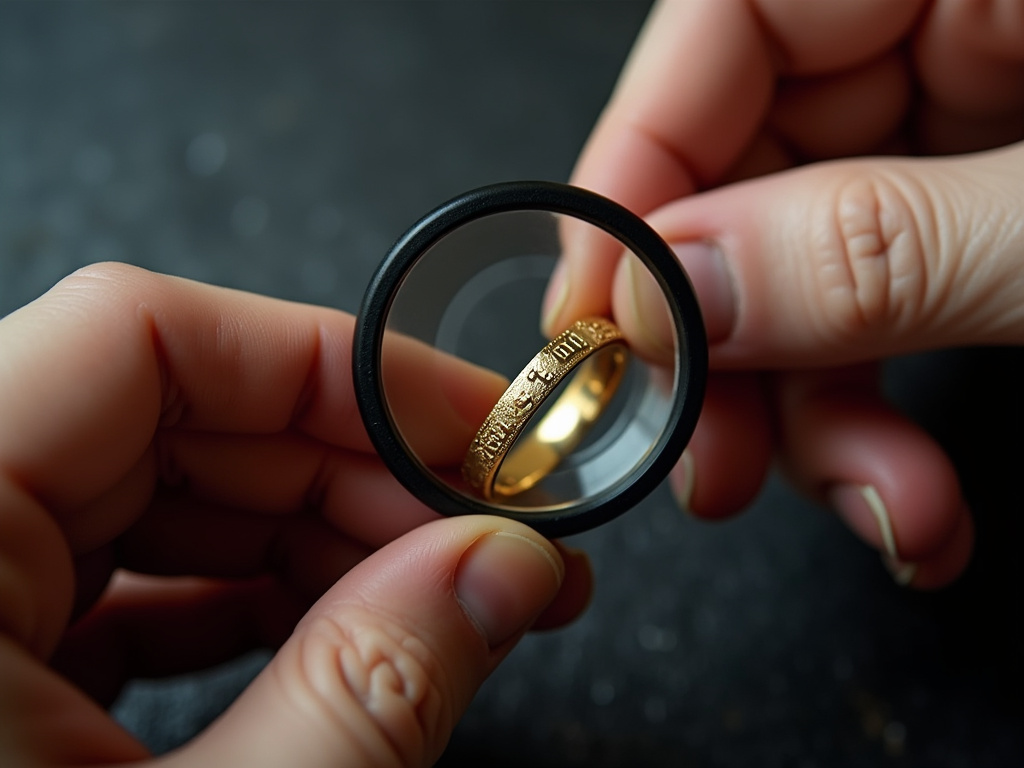
Thinking like an investor changes the buying process. Emotion is the enemy. Here is the sequence that separates a purchase from an acquisition.
- Verify before you buy. Use a loupe. Look for the stamps: 14K, 18K, 750, PT950, PLAT, and the maker’s mark. No stamps, no deal. This is non-negotiable.
- Price against the market, not the sticker. Search sold listings on auction sites and pre-owned luxury platforms for the exact same model and condition. If the retail price is 50% higher, you are paying a luxury tax, not making an investment.
- Assume you will need to sell it. Who will buy it? Is there an active secondary market for this designer or style? A piece that is beautiful but obscure is a liability.
- Get it appraised immediately. Do not wait. A current appraisal for insurance from a certified gemologist establishes a baseline value and is required for a jewelry insurance policy.
- Budget for carrying costs. Factor in insurance premiums (often 1-2% of the appraised value annually), a bank safety deposit box, and potential cleaning and maintenance. These costs erode profit.
Skipping step two is the most common error. People fall in love with a piece and justify the price. The market will not share that sentiment in five years.
Jewelry You Wear vs. Jewelry You Store
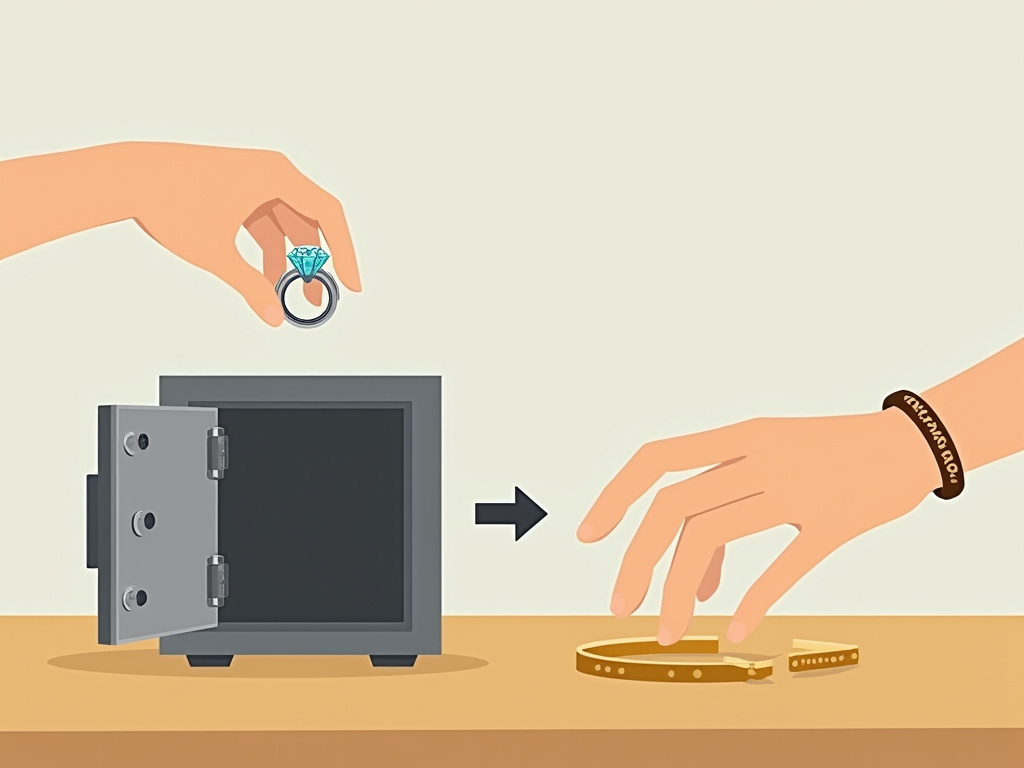
This is the central tension. The best investments are often pieces you are afraid to wear. A flawless 5-carat diamond ring belongs in a vault, not on a hand where it risks chips, oil, and loss.
But if you never wear it, you lose the joy of ownership, the only guaranteed return for most jewelry. The solution is to segment your collection.
- The Vault Tier: Ultra-high-value, irreplaceable, or fragile pieces. These are for financial appreciation and legacy. They are worn only on secured, special occasions. Their insurance for jewelry is a separate rider with explicit coverage.
- The Wearable Tier: Valuable but durable pieces meant for regular enjoyment. This includes tarnish-resistant jewelry like platinum or solid gold, and pieces with sturdy settings. You maintain them rigorously, understanding they may acquire minor wear that affects future value.
- The Enjoyment Tier: Fashion pieces, costume jewelry, and sentimental items with low material value. These are for pure expression. Their value is emotional, not financial.
This segmentation dictates your care strategy. Vault pieces need professional gemstone jewelry care and climate-controlled storage. Wearable pieces benefit from consistent home cleaning and preventing jewelry tarnish. The goal is to manage depreciation, because all worn jewelry depreciates.
The Emotional Return on Investment
Forget the spreadsheet for a moment. The most reliable profit from jewelry is not financial. It is the confidence of wearing a piece that fits perfectly, the memory attached to an heirloom, the daily pleasure of a well-made ring.
That return has real value. It just does not compound in a bank account.
If a piece brings you profound joy every day for a decade, the cost-per-wear becomes negligible. A $3,000 ring worn 300 days a year for 10 years costs $1 per day. Try getting that ROI from a stock certificate.
The danger is confusing this emotional return with a financial one. They are separate ledgers. Buying a piece for love is valid. Buying it for love and claiming it’s a shrewd investment is self-deception.
I inherited a Victorian mourning brooch made of jet and gold. Its auction value is modest. Its value to me is incalculable. It never leaves my safe. That is its own kind of investment, one no market crash can touch.
TL;DR: Calculate the cost-per-wear for pieces you love. That metric often offers a better return than hoping for gold prices to spike.
Before You Go
Jewelry can be an investment, but it is a specialized, illiquid, and high-maintenance one. The winning formula is brutally simple: buy the right thing for the right price, keep it in perfect condition, and hold it for a long time.
The right thing is vintage, branded, or made of exceptional materials with verifiable provenance. The right price is at or below fair market value, which requires research. Perfect condition demands vigilance and a good qualified jewelry appraiser. A long time means years, if not decades.
For everyone else, buy jewelry to wear it. Enjoy it. Pass it down. Consider any financial return a bonus, not the plan. The true value is in the wearing, not the waiting.
Frequently Asked Questions
Does jewelry go up in value?
Some jewelry goes up in value, but most does not. Branded pieces from houses like Cartier, rare vintage items, and jewelry with exceptional gemstones can appreciate. Standard gold and diamond jewelry from a mall retailer typically loses significant value the moment you buy it and may take years to recover its purchase price based on metal value alone.
What type of jewelry is best for investment?
The best jewelry for investment falls into three categories: signed pieces from heritage luxury houses (e.g., Van Cleef & Arpels, Harry Winston), high-quality vintage jewelry from sought-after eras (e.g., Art Deco, Retro), and pieces featuring rare, untreated gemstones like pigeon’s blood ruby or cornflower blue sapphire. These have markets beyond raw material weight.
Is gold jewelry an investment?
Gold jewelry is a very poor financial investment. You pay a substantial retail markup (the “making charge”) that you will not recoup when selling. The resale value is primarily the melt value of the gold, which can take 5-7 years of price appreciation to match your original purchase price. It is a store of value, not an appreciating asset.
How do I start investing in jewelry?
Start by educating yourself, not by buying. Learn to identify hallmarks and quality stamps. Follow auction results for brands and categories you like. Build a relationship with a reputable estate jeweler or auction house specialist. Your first purchase should be a modest, verified piece from a known maker, complete with its original packaging and papers. Always get an independent appraisal.
