
Can You Wear a Tie Clip with a Skinny Tie? A Style Guide
Yes, you can wear a tie clip with a skinny tie. The key is proportion: the clip must be shorter than the tie’s width. For a standard skinny tie (2.5 to 3 inches wide), a clip around 1.5 inches long is ideal. This ensures a balanced, intentional look that enhances the tie’s sleek profile without overwhelming it.
I learned this lesson the hard way. Years ago, I paired a beautiful, vintage silk tie, a 2.3-inch beauty, with my grandfather’s classic 2-inch tie clip for a friend’s wedding. I thought the heirloom touch was perfect. By the end of the ceremony, that clip looked like a bulky paperclip strangling a ribbon. It hung over the edges, drawing every eye and completely throwing off the clean silhouette I’d aimed for. The look wasn’t curated; it was clumsy.
That experience, born from my love for accessories with history, taught me that rules in menswear aren’t arbitrary. They’re about visual harmony. This guide will walk you through the specifics of pairing a tie clip with a skinny tie, from the exact measurements to the subtle metal choices that separate a sharp look from a fashion faux pas.
Key Takeaways
- The 1.5-inch clip is your workhorse for most skinny ties. It covers about 70-80% of a 2.5-3 inch tie, which is the classic proportional sweet spot.
- Placement is non-negotiable: clip horizontally between the third and fourth shirt buttons, securing both the tie and the shirt placket. Any higher looks like a brooch; any lower clashes with your belt line.
- Choose a spring-hinge clip over a static bar for daily wear. The active grip is essential for the lighter fabric of a skinny tie, especially if you move around.
- For ultra-slim ties under 2.5 inches, seek out a half-inch clip. A standard size will dominate the look and appear costumey.
- Match the metal finish to the occasion: polished silver or gold for formal suits, brushed steel or gunmetal for business casual or jeans.
For a slim tie, a tie clip should be around 1.5 inches long. This length covers approximately 70-80% of the tie’s width, which is the classic, proportional sweet spot for visual balance.
What’s the Right Tie Clip Length for a Skinny Tie?
The old advice, “the clip should be shorter than the tie”, is correct but maddeningly vague. Let’s get specific. A modern skinny tie typically ranges from 2.5 to 3 inches at its widest point. The perfect companion for this width is a 1.5-inch tie clip.
Why 1.5 inches? Honestly, it just looks right. Not too dainty, not like a vise-grip. Ever tried a 2-inch clip on a 3-inch tie? It screams “first day on the job.” The 1.5-inch mark is the sweet spot. It’s substantial enough to be seen and to function, but it stops well short of the tie’s edges, preserving that sleek, vertical line. A clip that spans the entire width feels wrong in the hand, a cold, heavy slab of metal. On the tie, it lays there like a dead weight, pinching the silk into stiff, unnatural folds.
Trust your fingers. If the clip’s ends are within a quarter-inch of the tie’s edge, it’s too long.
The Exception: When You Need a Half-Inch Clip
The 1.5-inch rule has one critical exception. Some contemporary skinny ties, especially from fashion-forward brands, dip below 2.5 inches. For these ultra-slim styles, even a 1.5-inch clip can look dominant and clumsy.
Common mistake: Using a standard 1.5-inch clip on a tie under 2.5 inches wide. The metal overwhelms the delicate fabric, making the outfit look costumey instead of curated.
In this case, you need to hunt for a half-inch tie clip. These are niche but exist. Retailers and style blogs like Gentleman’s Flair specifically mention them for very slim ties. It’s a dedicated tool for a specific look, and it makes all the difference.
TL;DR: Measure your tie. Over 2.5 inches? Use a 1.5-inch clip. Under 2.5 inches? Seek out a half-inch option.
Tie Clip, Tie Bar, or Tie Pin: Which One Should You Choose?
The terms are often used interchangeably, but they are different tools with different mechanics. Picking the right one affects both style and function, especially for the lighter build of a skinny tie.
For daily wear with a modern skinny tie, the spring-hinge tie clip is almost always the winner. The active grip is crucial because a skinny tie has less material for a static bar to hold onto. As noted by The Tie Bar, this mechanism provides more secure fastening for active individuals, keeping your tie neatly anchored through a long day of meetings or events.
A tie pin is a beautiful, vintage-inspired statement, but it’s a commitment I reserve for specific heirlooms. I ruined a vintage silk Charvet tie by using a cheap pin from a tuxedo rental, the thick post left a permanent pucker in the weave. Now I only use my vintage 14k gold Tiffany & Co. tie pin with its needle-fine point on ties I know have a tight, dense lining. For routine wear, the clip is the practical, damage-free choice.
| Accessory | Mechanism | Best For | Grip Security |
|---|---|---|---|
| Tie Clip | Spring-loaded hinge that clamps shut. | Everyday wear, active settings, business casual. | Excellent. The spring provides active, adjustable tension. |
| Tie Bar | Rigid bar with a fixed clasp or chain. | Static, very formal settings where movement is minimal. | Fair. The tie can slip out if not perfectly aligned. |
| Tie Pin | Sharp pin that pierces through fabric layers. | Vintage or ultra-formal looks, worn with caution. | Good, but at the cost of fabric damage. |
This choice is part of a broader philosophy of proper jewelry storage, keeping functional pieces organized and separate from those that require more delicate handling.
Where Exactly Should You Place the Clip?
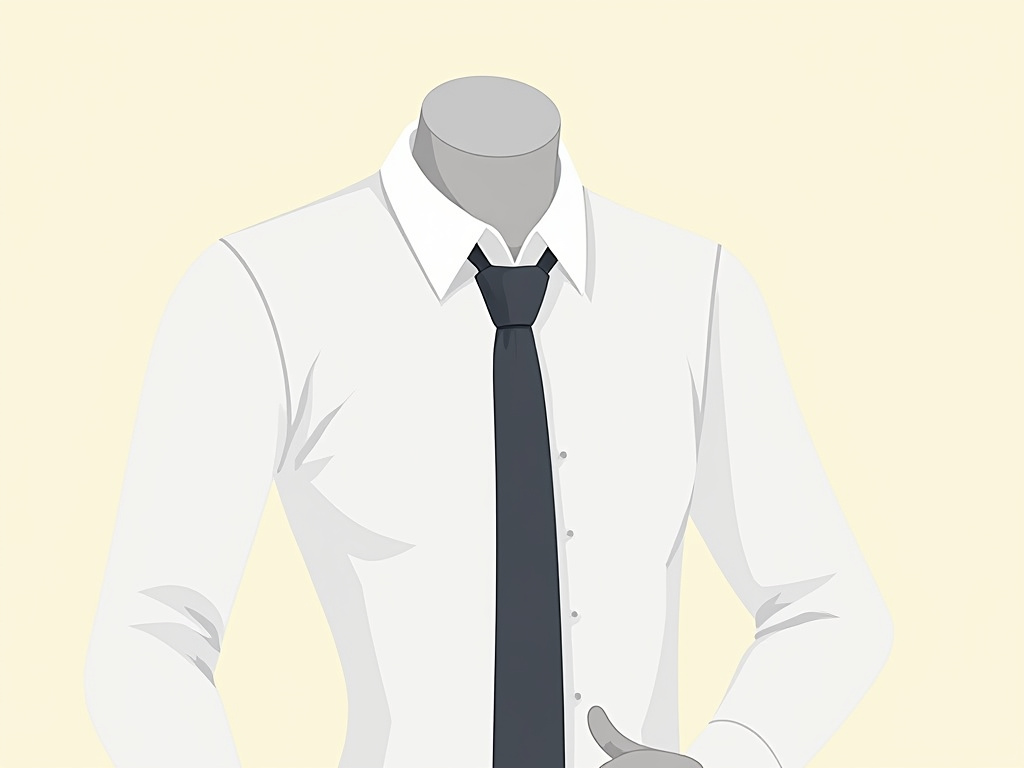
Getting the length right is only half the battle. Clipping it in the wrong spot can ruin the entire effect. The universal rule is to place the clip between the third and fourth buttons of your dress shirt.
Why there? On a standard shirt, this aligns with the midpoint of your sternum, the visual center of your torso. It’s the natural balance point. Go to the second button, and the clip rides too high, making your tie look truncated and your chest look crowded. Go to the fifth, and it dips into your belt zone, creating a cluttered waistline.
Here’s the simple, non-negotiable process:
1. Button your shirt completely.
2. Locate the space between the third and fourth buttons. If your shirt has a six-button placket (common on slim fits), this space is still your guide.
3. Fasten the clip through both the tie and the shirt placket. This is the step everyone silently forgets. Clipping just the tie lets it swing free, which defeats the entire purpose.
4. Ensure the clip is perfectly horizontal, parallel to the floor. A tilted clip looks like an accident.
Common mistake: Clipping only the tie fabric. The clip will swing like a pendulum with every move, and one good breeze will send your tie over your shoulder, a lesson I learned vividly at an outdoor summer wedding.
TL;DR: Clip horizontally, between buttons three and four, through both layers of fabric. This anchors your tie visually and physically.
How Do You Style a Skinny Tie and Clip for Different Events?
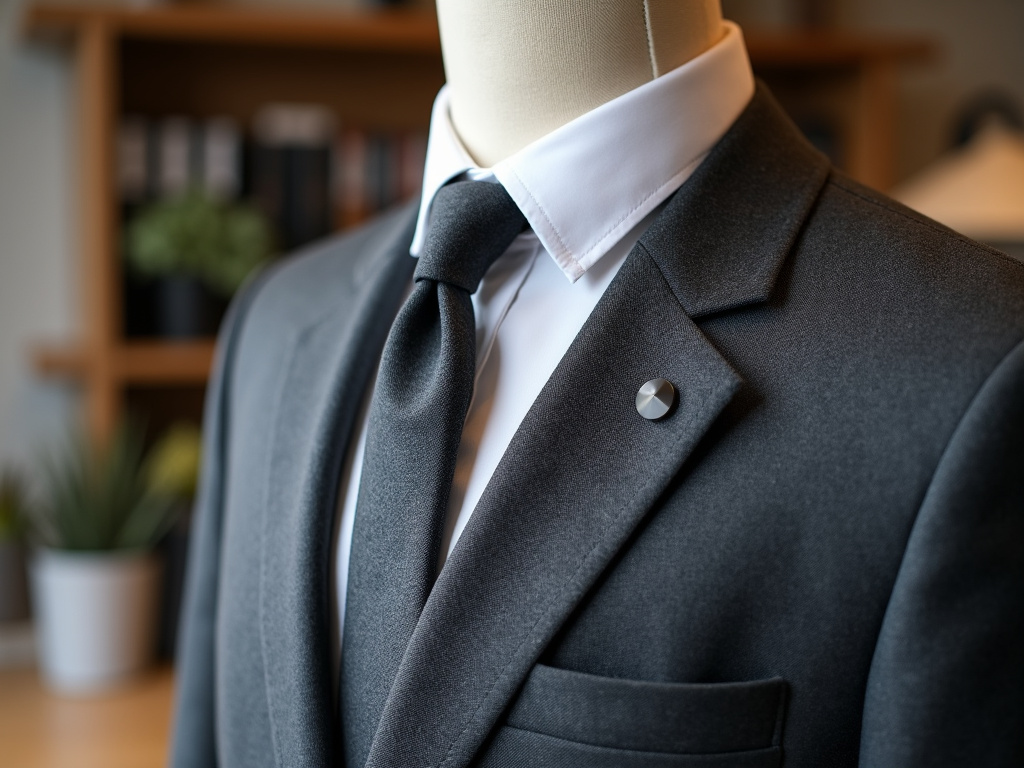
The skinny tie’s versatility is its superpower. The right clip acts as the anchor that makes each look intentional, whether you’re in a boardroom or at a weekend brunch.
For the Business Casual Office
This is where the pairing shines. Think a wool or knit skinny tie with a crisp oxford, dark jeans, and a unstructured blazer. The clip should be understated, a matte finish is perfect. The Moss London Gunmetal Skinny Tie Bar (Model ML-TB-04), for instance, is solid stainless steel with a dark PVD coating. It adds polish without the shine of formalwear. Compare it to The Tie Bar’s ‘Slim’ series, which is lighter but uses a spring I’ve found wears out faster. The Moss piece is my daily driver for its heft and silent, reliable close.
For Formal Suits and Weddings
The rules tighten. Your tie should be silk, and the clip should be polished but not flashy. A classic 1.5-inch clip in silver or gold is correct. Here, the clip is a supporting actor, ensuring your tie stays centered during photos. Its maintenance is critical; a tarnished jewelry clip will catch the light poorly at evening events. Incorporate its care into your routine for silver jewelry cleaning or gold jewelry cleaning.
For a Smart Casual Outing
Yes, you can wear a skinny tie without a jacket. As style blogs like Dapperfied note, it adds a deliberate touch to a button-up and jeans. Skip the shiny metals. Opt for a clip with texture or a darker finish like brushed steel. The clip signals the tie is there on purpose, elevating the look from sloppy to relaxed and intentional.
What Metal Finish Should You Pick (and How Do You Care for It)?
The metal of your clip dictates its formality and its care needs. Your choice should align with your other accessories and your maintenance habits. If you hate upkeep, lean towards forgiving finishes.
My personal preference, informed by years of collecting, leans towards brushed metals for daily wear. They hide micro-scratches and fingerprints, telling a story of use rather than neglect. A polished finish, while beautiful, requires the same diligent cleaning your jewelry as your other fine pieces to stay sharp.
| Finish | Look & Use | Durability | Care Routine |
|---|---|---|---|
| Brushed Steel/Gunmetal | Modern, versatile, business casual. | High. Hides scratches and wear beautifully. | Low. Wipe with a soft cloth after wear. |
| Polished Silver | Classic, formal, traditional. | Medium. Shows fingerprints and tarnish. | High. Requires regular polishing to prevent tarnish. |
| Polished Gold or Gold-Plated | Warm, formal, elegant. | Low (Plated) to Medium (Solid). Plating wears with friction. | Medium-High. Use specific gold-plated jewelry cleaning methods. |
| Titanium | Contemporary, techy, very casual. | Very High. Naturally tarnish-resistant. | Very Low. Wipe clean. |
For those who love the look of precious metals but want less fuss, consider exploring tarnish-resistant jewelry materials like titanium or tungsten for a modern clip. And remember, a clip that touches skin collects sweat and oils. A quick wipe after wearing is the simplest form of preventing jewelry tarnish you can practice.
Frequently Asked Questions
Does a tie clip go through the shirt?
Absolutely. The core function of a tie clip is to fasten the tie to the shirt. You must clip through both the tie and the shirt placket. Clipping only the tie leaves it free to swing and move, which looks sloppy.
What side does the tie clip go on?
Convention places it on the wearer’s right side. This makes it most visible to others when they face you and is typically easiest for a right-handed person to fasten. Consistency here is part of a polished appearance.
Can I wear a tie clip if I’m not wearing a jacket?
Yes, and you often should. A tie clip becomes even more functional without a jacket, as there’s no outer layer to help keep the tie in place. Just ensure the clip’s size and finish suit the formality of your shirt-and-tie combo.
My tie clip slides around. How do I fix it?
First, ensure you’re using a spring-hinge clip, not a static bar. Second, check that the clip’s jaws are clean and free of fabric lint. Finally, make sure your shirt fabric is smooth and taut when you fasten it. An old, loose clip may simply need replacing.
Are tie clips still in style?
Classic accessories don’t go “out of style”; they cycle in and out of fashion focus. A well-proportioned tie clip worn correctly is always a mark of considered dressing. The key is intentionality, avoiding novelty shapes and respecting proportion.
The Bottom Line
Wearing a tie clip with a skinny tie isn’t just possible; it’s the secret to making that sleek look work hard. Forget the clip in your drawer and find one that fits: 1.5 inches for most skinny ties, placed firmly between the third and fourth buttons.
Choose a spring-hinge clip for security, let the metal finish speak to the occasion, and give it a quick clean now and then. This small, intentional detail does more than hold your tie, it holds your entire outfit together, proving that the right accessory, like gemstone jewelry care, is about thoughtful pairing, not just decoration.
