
Can You Wear Cufflinks with a Regular Shirt? A Style Guide
Yes, you can wear cufflinks with a regular barrel-cuff shirt. Three methods make it possible: using removable snap or magnetic adapters, permanently tailoring the cuff with a second buttonhole, or employing a temporary DIY fold. The key is matching the cufflink’s weight and back style to the shirt’s fabric to prevent sagging, stretching, or a sloppy look.
I have a confession. My love for cufflinks began with a pair of my grandfather’s hefty sterling silver crest links, but my first attempt to wear them with a regular shirt ended in disaster. I used a flimsy plastic snap adapter on a fine Thomas Mason oxford, and the leverage from that weight snapped the adapter’s prong mid-handshake. The cufflink skittered across a boardroom floor, leaving me flushed and fumbling. That moment taught me that this style move isn’t just about wanting to, it’s about knowing how.
The question isn’t really about permission, but about execution. With the right approach, you can add a touch of personal flair to your smart-casual wardrobe without looking like you’re wearing borrowed formalwear.
Key Takeaways
- Start with quality snap-button adapters from a brand like The Tie Bar or Cufflinks.com. Their double-prong designs, like the ‘Convert-A-Cuff’ kit, use harder nylon that resists splitting under the torque of a heavier link.
- Permanent tailoring is an investment for a favorite shirt, costing $20-$40. A skilled tailor will replace the button on the bottom placket with a perfectly aligned buttonhole, creating a true two-hole cuff. For longevity, ask them to use strong thread like Gutermann Mara 70.
- Cufflink weight is non-negotiable. If a link weighs more than a US quarter (about 5.7 grams), it will likely cause visible sag on a barrel cuff within an hour. Always opt for lightweight metals and simple backs.
- The DIY fold is a last-resort temporary fix that creates a bulky, unstable cuff prone to unfolding. It works for a single evening in a pinch but will weaken fabric threads with repeated use.
- Casual styling demands matte finishes and geometric shapes. Pair cufflinks with oxford cloth, chambray, or denim shirts, and keep the metal finishes brushed, oxidized, or matte to avoid flashiness.
Cufflinks are decorative fasteners for shirt cuffs, traditionally used with French or double cuffs. They consist of a decorative face connected by a short post, chain, or flexible design to a securing mechanism on the opposite side.
What’s the Best Way to Attach Cufflinks to a Regular Shirt?
You have three distinct paths, each with a different level of commitment, cost, and final look. Your choice depends on how often you’ll wear the style and how much you value a seamless finish.
| Method | Best For | Time & Cost | Primary Risk |
|---|---|---|---|
| Cufflink Adapters | Experimenting risk-free; preserving shirt integrity. | 2 minutes, ~$10-$20 for a quality set. | Cheap adapters snap; magnetic types detach easily. |
| Permanent Tailoring | A flawless, integrated look on a shirt you love. | 1-2 days, ~$20-$40 per shirt at a tailor. | Poor buttonhole alignment causes twisting; change is irreversible. |
| DIY Fold Method | An absolute emergency with no tools available. | 30 seconds, free. | Looks messy and unkempt; cuff comes undone constantly. |
My personal preference leans toward solid brass snap adapters for anything under 10 grams. After my grandfather’s cufflink incident, I found that the thicker hinge pin on models like the Cufflinks.com SNAPB-2 can handle the torque better than generic plastic. For a truly secure feel on a tailored convertible cuff, however, nothing beats the premium security of a fixed-back cufflink.
TL;DR: Begin your journey with reliable snap-button adapters. They’re reversible, affordable, and let you test the waters before committing to scissors or a tailor’s needle.
How Do You Install and Use Cufflink Adapters?
This is a hardware solution, adding a tiny piece of equipment to your shirt. Here’s the tactile part of the process.
First, locate the single buttonhole on your barrel cuff’s top placket. The adapter will act as the new “button” here, providing a second anchor point for your cufflink post to pass through to the opposite placket.
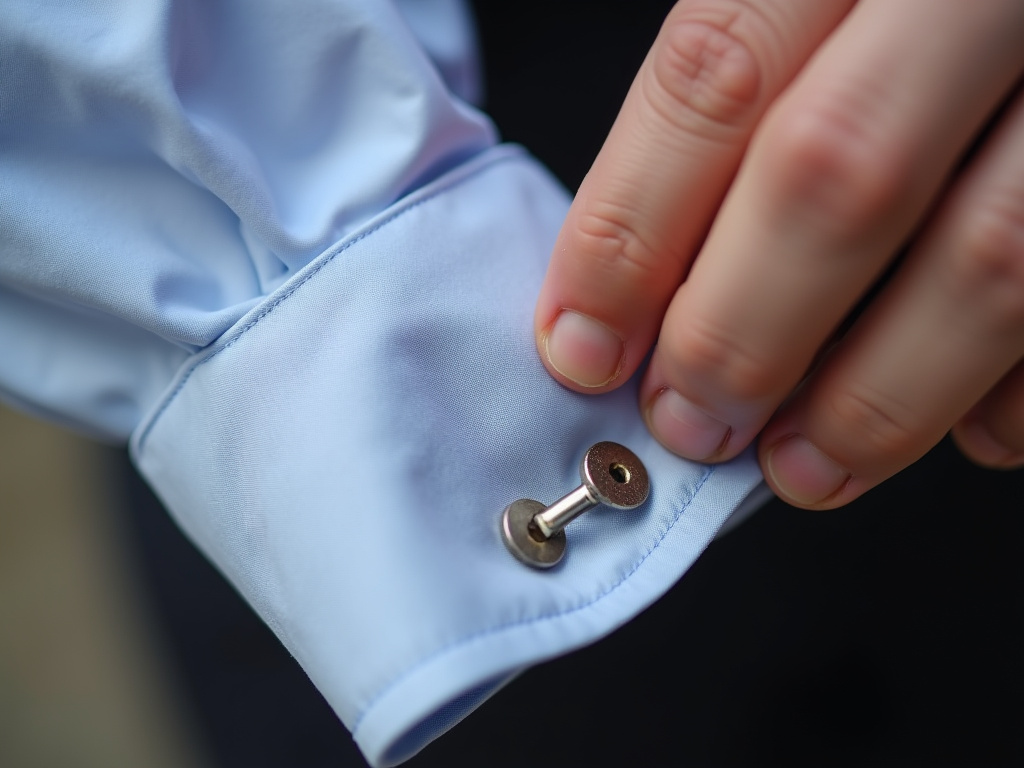
- Install the Adapter: For a snap type, push the cool, knurled metal stud through the buttonhole from the outside. You’ll feel a slight pop as it clears the tightly-woven cloth. Fumble for the backing plate inside the cuff, it’s always a bit fiddly, and press until you hear a faint, satisfying click. It should sit flush without puckering the fabric.
- Thread the Cufflink: Pass your cufflink post through the hole in the center of the installed adapter, then through the original buttonhole on the opposing cuff placket. Fasten the cufflink as normal.
- Check the Fit: The cuff should feel secure but not tight. If the fabric strains, the adapter might be placed too close to the cuff’s edge or your cufflink’s post is too short.
Common mistake: Pairing a heavy cufflink with a lightweight snap adapter, the leverage stresses the plastic prongs, and the adapter will pop off within a week of regular use. Always check the weight.
Magnetic adapters are simpler, they sandwich the fabric, but a strong gesture can knock them apart. For security, stick with snaps. And remember, just as with cleaning metal accessories, a quick wipe of your adapters keeps them functioning smoothly.
Is Tailoring My Shirt for Cufflinks Worth It?
Let’s talk tailoring. This is where my frugality battles my love for a perfect fit. That one blue oxford shirt that always gets you compliments? That’s the candidate.
A tailor will carefully remove the existing button from the bottom cuff placket and sew a new, mirroring buttonhole in its place. This creates the classic two-hole setup of a French cuff. The precision required is high; a misaligned hole makes the cuff buckle. The result, however, is the only method that truly replicates the structure of a formal cuff, allowing for the secure use of any cufflink back type.
Why it works: A professionally sewn buttonhole distributes tension evenly and looks completely original. It’s strong, elegant, and, as noted by experts, the only way to properly use a secure “fixed-back” cufflink for long-term wear on a converted cuff.
The cost is typically the price of a new shirt, so it’s an investment in a garment you’ll wear for years. It transforms the piece and opens up your entire cufflink collection for use.
Can I Just Fold the Cuff Instead?
You can, but I don’t recommend it for more than one evening. This is the no-cost, no-tools emergency method.
Fold the cuff back on itself to create a double layer, then pass the cufflink post through all four layers of cloth. Fasten it. The result is bulky, unstable, and wants to unfold constantly. The constant pressure on the same fabric points weakens the threads. I tried it once with a pair of silver knots, and by the end of the first course, the cuff was digging into my wrist. I spent the rest of the dinner adjusting it under the table.
Which Cufflinks Work Best with a Regular Shirt?
Not all cufflinks are created equal for this task. Barrel cuffs have specific physical demands that your favorite formal links might not meet.
The most critical factor is weight. A regular shirt cuff isn’t reinforced to support heavy decoration. A link over 5-7 grams will pull the cuff downward, creating a sloppy sag. I tested this with a small digital scale: a 10-gram link caused visible droop on a pinpoint oxford within an hour.
Opt for lightweight metals. Simple stainless steel, titanium, or even aluminum designs are ideal. The back style is equally important. You need a mechanism that fits the narrower gap of a single-layer cuff.
| Back Type | Ideal For | Reason | Security Level |
|---|---|---|---|
| Whale-back / Bullet-back | Everyday wear with adapters. | Slim, easy-to-insert profile. | High |
| Fixed-back (Closed back) | Permanently tailored cuffs. | Feels premium and very secure. | Very High |
| Snap-together (Magnetic) | Casual, low-risk situations. | No post, easy to use. | Low |
| Chain link | French cuffs only. | Too long and flexible; will dangle. | Not Recommended |
Whale-back styles are the undisputed champions here. Their curved, solid metal back has a low profile that slides through buttonholes and adapters effortlessly. As the Wikipedia article on cufflinks details, these are among the most common and functional designs. For a more detailed look at different metals and their care, our guide on stainless steel care is a great resource.
Common mistake: Choosing a chain-link back for a regular shirt, the chain dangles awkwardly, catches on sleeves, and is designed for the double thickness of a French cuff.
How Do You Style Cufflinks Casually?
Wearing cufflinks with a regular shirt moves the accessory from black-tie optional into smart-casual territory. The rules change accordingly.
The shirt fabric sets the tone. Oxford cloth, chambray, denim, and linen are perfect candidates, their inherent texture and casual nature pair well with the added detail. A smooth broadcloth shirt can work but leans more formal.
Finish is everything. Ditch the high-polish rhodium and mirror-finish silver. Seek out matte, brushed, or oxidized finishes. Pewter, brushed stainless steel, and matte black enamel look intentional but not flashy. This approach also aligns with strategies for keeping metals shiny with less maintenance.
Shape follows finish. Geometric shapes, squares, rectangles, simple bars, work best. Avoid figurative novelty links (sports equipment, animals) and overly ornate filigree. The goal is subtle sophistication.
For casual wear with oxford cloth button-downs, keep cufflink finishes matte and shapes simple. This creates a cohesive, understated look.
Complete the outfit with an unstructured cotton or linen blazer, or wear the shirt solo with dark denim. The cufflinks become the single focal point. And if you’re using vintage pieces, be sure to follow proper vintage accessory care to protect them.
What Are the Biggest Mistakes to Avoid?
Enthusiasm can ruin a good shirt. Here are the pitfalls that lead to permanent damage.
- Forcing a Cufflink: Jamming a cufflink post through a single buttonhole stretches the fabric threads. After two or three wears, the hole becomes an oblong slit that won’t hold a button snugly. The cuff looks tired and messy.
- Ignoring Fit: A cufflink that’s too tight constricts your wrist. One that’s too loose lets the cuff rotate. Both feel and look bad. This often stems from a post length designed for French cuffs; seek out shorter-post designs for barrel cuffs.
- Using Rough Hardware: Cheap cufflinks with rough metal edges can snag and pull delicate threads in linen or cotton voile. Always inspect the post and backing for smoothness.
Material care is connected. Just as you’d use specific methods for silver jewelry care, be mindful of your shirt fabric. Always remove adapters before washing and ironing. For organization and to prevent scratches, integrating your cufflinks into a system of jewelry storage solutions is a smart move.
Frequently Asked Questions
Can you wear cufflinks with any regular shirt?
Technically yes, but some fabrics work better. Stiff, thick materials like oxford cloth or denim provide more support. Thin, silky broadcloth can appear distorted by the hardware. Shirts with very narrow cuff plackets may not have room for an adapter.
Do cufflink adapters damage shirts?
Quality snap-button adapters cause minimal wear similar to a standard button. Cheap plastic adapters with sharp edges can fray buttonhole threads. Magnetic adapters cause no physical damage but are the least secure option.
What is the most secure method overall?
Permanent tailoring by a professional is the most secure. It creates a true two-hole cuff, allowing you to use any cufflink style with full confidence. It’s the only method that properly accommodates fixed-back cufflinks for daily wear.
Are there cufflinks made specifically for regular shirts?
Yes. Some brands design “convertible” or “barrel cuff” cufflinks with shorter posts or integrated fastening systems that don’t require a separate adapter. They are a good investment if you plan to wear the style frequently.
How should I care for my shirts when using adapters?
Always uninstall snap adapters before washing and ironing to prevent breakage. Periodically check the buttonholes for stretching. If holes become visibly deformed, it’s time to retire the shirt from cufflink duty or have it tailored.
The Bottom Line
Wearing cufflinks with a regular shirt is a fantastic way to inject personality into your smart-casual wardrobe. Start with a sturdy oxford cloth shirt and a set of reliable snap-button adapters. Choose lightweight, simple cufflinks with a whale-back closure.
If the look resonates with you, consider the tailor route for your favorite shirt, it’s a small investment for a perfect, permanent result. Remember to keep the style casual with matte finishes, mind the weight, and never force the hardware. Your cuffs will look sharp, not strained.
For other accessories that combine style with easy upkeep, explore our guide to tarnish-resistant jewelry that maintains its look with minimal fuss.
