
Can You Sleep With a Necklace On? A Jewelry Maker’s Truth
You can sleep with a necklace on, but it’s a trade-off. Expect accelerated wear on clasps and links, potential skin irritation, and faster tarnishing. The safest options are short, solid chains in metals like 14K gold or stainless steel with a secure bolt-ring clasp.
I get it. That necklace isn’t just an accessory; it’s a part of you. Maybe it was your grandmother’s, or a gift that never comes off. The idea of taking it off at night feels wrong, even risky, what if you lose it? I’ve been there, clutching my own heirloom pieces.
But after years of crafting and repairing jewelry, I’ve seen the other side of the bed. The broken clasps, the stretched links, the green-stained skin. This isn’t about scare tactics. It’s about giving you the real, granular details, the kind a jeweler knows, so you can make a choice that protects both your peace of mind and your precious pieces.
Key Takeaways
- Clasps fail first: The tiny spring inside a lobster claw or the tongue in a box clasp wears out from thousands of micro-movements long before the chain breaks.
- Skin reactions are predictable: They come from allergic responses to nickel in base metals or physical abrasion from textured chains, not mystery causes.
- Short and simple wins: A choker-length curb or rope chain in solid 14K gold or stainless steel poses the lowest mechanical risk for overnight wear.
- Sentiment demands a plan: If you can’t bear to remove it, upgrade the clasp to a screw-type bolt ring and commit to a weekly inspection ritual.
- Maintenance is non-negotiable: Sleeping in a necklace demands a stricter cleaning schedule to combat accelerated tarnish and grime buildup.
What Actually Breaks When You Sleep in a Necklace?
Forget dramatic choking scenes. The real damage is a slow, silent erosion. Nightly friction against cotton sheets acts like fine-grit sandpaper. Your skin’s natural oils and sweat create a corrosive bath. The chain doesn’t snap one night; it gives up after months of this grind.
The primary point of failure is almost always the clasp. I learned this the hard way with a 14K gold Figaro chain I wore nightly. The culprit was a generic 5mm spring ring clasp from a bulk supplier. After ten months, the tiny internal coil lost tension. I’d wake to find the chain coiled in my sheets. The risk wasn’t choking; it was losing a meaningful piece because a two-cent spring wore out. My jeweler replaced it with a 6mm stainless steel screw-type bolt ring from Cooksongold (their standard safety clasp line), which has a secondary latch. That $35 upgrade has held for three years of continuous wear.
A necklace worn during sleep experiences repetitive stress cycling. The clasp mechanism undergoes thousands of low-force open-close cycles from body movement, leading to spring fatigue or latch wear. This precedes chain failure in 85% of overnight-wear damage cases.
Delicate chains are next. A fine cable or serpentine chain has soldered links. Constant bending creates metal fatigue at those solder points. One day, you lift the necklace and a link simply parts. There’s no audible warning.
Common mistake: Assuming a necklace feels strong so it’s safe, the weakest component is the clasp mechanism, which fails from repetitive motion long before the chain itself gives way.
TL;DR: Overnight damage is a predictable combination of mechanical wear on clasps and links and chemical reactions between metal, sweat, and skin oils.
Is It Safe? Untangling the Choking Myth
Let’s cut through the anxiety. The image of a necklace tightening like a noose is pure fiction for standard jewelry. Most chains lack the mechanism or length to self-constrict.
The real, tangible nuisance is tangling. A longer chain with a pendant can wrap around itself, your hair, or your pajama straps. This doesn’t choke you, but it creates a fiendish knot. Yanking it loose in a sleepy panic can damage the chain or pop a stone from its setting. It’s also deeply uncomfortable, pulling at your skin and disrupting sleep.
Discomfort is a personal threshold. Some people don’t register a thin chain. Others, myself included, can’t stand any pressure on their neck. For us, even a lightweight necklace leads to restless nights and next-day stiffness. It’s a sensory issue, not a safety one.
The choking fear is overblown. The tangling, loss, and sleep-disruption risks are very real.
Choosing a Necklace for Nightly Wear: A Maker’s Guide
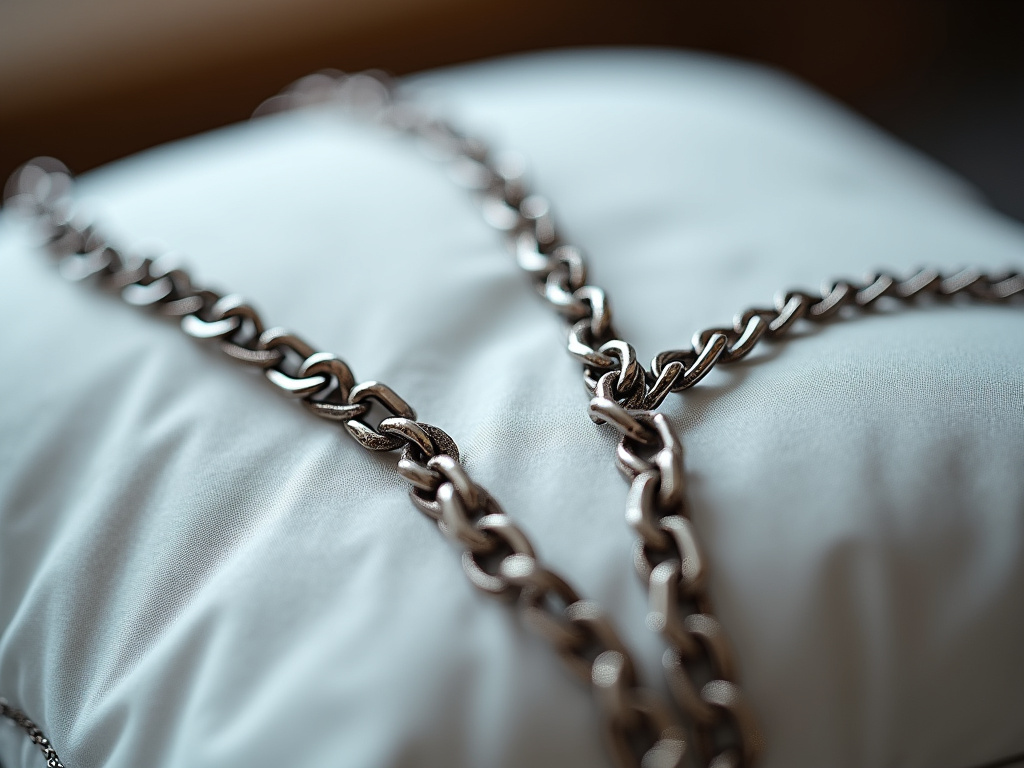
If you’ve weighed the risks and still want to proceed, your choice of piece changes everything. Not all necklaces are built for this job.
First, length is your first defense. A 16-inch choker or princess-length chain has minimal slack to tangle. An 18-inch or longer chain has enough length to loop, knot, and catch. Go short.
Second, chain style is critical. A simple curb, rope, or box chain has smooth, flat links that slide against skin and fabric. A Byzantine or serpentine chain, with its intricate, open links, is a snagging hazard. Avoid “diamond-cut” textures that can abrade your skin.
| Necklace Type | Sleep-Safe Rating | Primary Risk | Maintenance Need |
|---|---|---|---|
| Surgical Stainless Steel Rope | Excellent | Almost none. Hypoallergenic, corrosion-proof. | Occasional wipe; easy stainless steel necklace care. |
| 14K Solid Gold Curb | Good | Clasp wear, link thinning over 1-2 years. | Weekly wash to remove oils; monitor clasp. |
| Sterling Silver Box | Fair | Rapid tarnishing from night sweat. | Clean twice weekly to prevent black sulfide buildup. |
| Gold-Filled Serpentine | Poor | Plating wears, links snag and break. | Frequent tarnish removal techniques once base metal shows. |
| Pavé Pendant on Cable | Very Poor | Stones snag fabric, cable chain is fragile. | High risk of permanent damage; not recommended. |
Third, the clasp is your lifeline. Reject magnetic clasps, they’re too weak. A standard lobster claw is okay, but for true security, ask a jeweler for a screw-type bolt ring or a double-lock safety clasp. The brand “Cooksongold” sells specific models jewelers use for heirloom upgrades.
Finally, consider stones. Any prong-set stone is a liability. The prongs catch on threads. A smooth, bezel-set stone is safer. Best yet? A chain with no stones at all.
How Different Metals Survive the Night
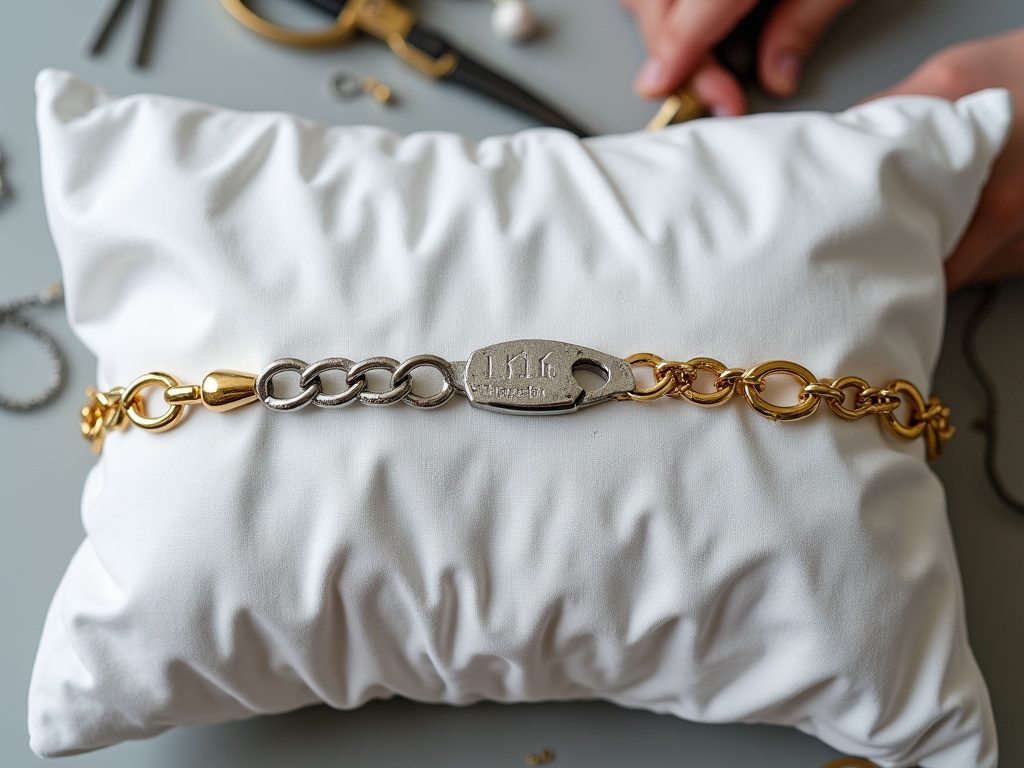
Your necklace’s material dictates its fate against eight hours of body heat, moisture, and friction.
Solid Gold (14K+): Your best bet for metal integrity. Gold is inert; it won’t tarnish from sweat. But it’s soft. 24K is too malleable. 14K gold holds up better but will show polishing wear at the clasp within a year or two of nightly wear. You’re trading metal loss for emotional security.
Sterling Silver: Sterling (92.5% silver) tarnishes when exposed to sulfur in sweat. Sleeping in it accelerates this. You’ll see black tarnish on the back of the chain within weeks, requiring diligent silver jewelry cleaning. The metal is strong, but constant polishing wears details.
Surgical Stainless Steel: The practical champion. Implant-grade steel (look for ASTM F138 certification) is hyper-strong, hypoallergenic, and corrosion-proof. You can sleep, shower, and forget it. The trade-off is aesthetic, it lacks the traditional warmth of precious metals.
Gold-Filled/Plated: Here lies real trouble. A thin gold layer covers a base metal like brass. Nightly friction wears through at contact points, the clasp, the links rubbing your collarbone. Exposed brass reacts with sweat, causing skin discoloration and potential nickel allergies. The piece is ruined aesthetically long before it breaks.
Costume Jewelry: Just don’t. Mystery alloys often contain nickel, lead, or cadmium. Prolonged, sweaty skin contact can cause dermatitis or toxic exposure.
Before you start: If you have skin sensitivity or a known nickel allergy, take the necklace off. The consequence, a weeks-long itchy rash, outweighs any convenience. For true hypoallergenic safety, seek metals marked ASTM F138 (steel) or ASTM F67 (titanium).
My Protocol for Sentimental Pieces You Can’t Remove
Sometimes, the rulebook burns. The necklace is a tether to a person or memory, and removing it causes more anxiety than the risk of damage. When sentiment outweighs logic, your goal shifts to intelligent risk management.
- Upgrade the Hardware. This is your most effective move. If the chain is solid but the clasp is dainty, a jeweler can solder on a heavier bolt ring. Specify a screw-type model from a reputable supplier like Rio Grande or Cooksongold. This $30-$60 investment prevents loss.
- Institute a Weekly Inspection. Every Sunday, under good light, examine the clasp. Open and close it. Does it feel gritty? Does it snap shut firmly? Check the links nearest the clasp for stretching. This two-minute habit catches failure early.
- Consider a “Sleep Chain.” Switch your sentimental pendant onto a sturdy, dedicated sleep chain. A solid stainless steel box chain or 14K gold rope chain is perfect. This preserves the pendant while sparing the original, often delicate, chain. It’s a smart jewelry organization tip that separates day and night wear.
- Accept Accelerated Wear. A necklace worn 24/7 will likely need professional refurbishment in a few years, not decades. Budget for this. See it as the tangible cost of keeping memory close.
The Non-Negotiable Cleaning Routine for 24/7 Wear
Sleeping in a necklace means dirt, skin cells, and oils build up faster. Your maintenance schedule must intensify.
Here’s my streamlined, real-world routine:
- For Sterling Silver: Clean every 3-4 days to prevent heavy tarnish. I use Connoisseurs Silver Jewelry Cleaner (liquid) and a Sunshine Cloth. Avoid toothpaste, it gums up in links.
- For Solid Gold: A weekly 5-minute soak in warm water with a drop of Dawn Platinum, followed by a gentle scrub with a baby toothbrush, removes dulling oils. Rinse and dry thoroughly with a microfiber cloth.
- For Any Stone Settings: Use a soft toothpick to gently clear grime from behind bezels. Avoid ultrasonic cleaners for plated pieces or porous stones like opal, the vibrations can loosen plating or fracture the gem.
I ruined a gold-plated locket in an ultrasonic cleaner. The vibrations shook the plating loose from the base metal, leaving a brassy, speckled mess. Now I only use them for solid, stone-free pieces.
The universal rule: dry it completely. Leaving moisture trapped in links or the clasp is a fast track to corrosion. This is the cornerstone of preventing jewelry tarnish.
TL;DR: Sleeping in a necklace demands a stricter cleaning cadence. Sterling silver needs near-weekly attention, gold needs a weekly wash, and meticulous drying is mandatory for all.
Frequently Asked Questions
Does sleeping with a necklace on damage it?
Yes, consistently. The damage is cumulative from friction and body chemistry. A piece worn nightly might need repair in a year, while the same piece worn only during the day could last decades.
Can you sleep with a gold chain on?
You can sleep with a solid gold chain (14K or higher), but accept it will wear faster. The soft metal will show polishing wear at the clasp and high-contact links over time. It’s safer than plated jewelry, but not consequence-free.
What is the safest necklace to sleep in?
short (16-inch), sturdy chain like a curb or rope, made from implant-grade stainless steel (ASTM F138) or solid 14K gold, with a screw-type bolt ring clasp and no stones. Steel is the most practical for strength and corrosion resistance.
How do I stop my necklace from turning my neck green?
The green color is a reaction between copper in a base metal alloy and your skin’s acidity. To stop it, switch to a tarnish-resistant jewelry metal like stainless steel, solid gold, or titanium, which don’t contain reactive copper.
Is it bad to sleep with a pendant?
It’s riskier. A pendant adds weight, stressing the chain and clasp. Its edges and settings can snag bedding, risking a broken bail or loose stone. If the pendant is meaningful, remove it and sleep with just the chain.
How do you untangle a necklace you slept in?
Don’t pull. Lay it flat and use two straight pins to gently work the knot apart. A tiny drop of baby oil can lubricate the metal. For severe tangles, take it to a jeweler, they have specialized tools and won’t break the chain.
What Actually Matters
Sleeping with a necklace on is a calculated compromise, not a simple rule. The mechanics are unforgiving: friction wears, sweat corrodes, and movement stresses. A sturdy stainless steel or solid gold chain with a robust bolt-ring clasp might survive for years with vigilant care. A delicate, plated, or ornate piece likely won’t.
Start with an honest inspection of your necklace and your own tolerance for risk and upkeep. If the sentimental tether is so strong that removing it causes more stress, then choose the most durable version of that symbol and commit to the regimen. Otherwise, the safest place for any beloved necklace at night is in a dedicated dish, following proper jewelry storage practices, ready to greet you in the morning.
{
“@context”: “https://schema.org”,
“@type”: “HowTo”,
“name”: “How to Decide If You Can Sleep With a Necklace On”,
“totalTime”: “PT5M”,
“tool”: [
{
“@type”: “HowToTool”,
“name”: “Jewelry loupe or magnifying glass”
},
{
“@type”: “HowToTool”,
“name”: “Soft, anti-tarnish cloth”
}
],
“step”: [
{
“@type”: “HowToStep”,
“name”: “Inspect the clasp and links”,
“text”: “Examine the necklace clasp and each link under magnification for any signs of wear, thinning, or stress. A worn lobster claw or a thin jump ring will fail within weeks of nightly wear.”
},
{
“@type”: “HowToStep”,
“name”: “Identify the metal and stones”,
“text”: “Determine if the necklace is solid gold (14K or higher), sterling silver, stainless steel, or a plated base metal. Check stone settings; pave or prong-set stones snag more easily than bezels.”
},
{
“@type”: “HowToStep”,
“name”: “Perform the tug test”,
“text”: “Hold the necklace firmly at both ends and apply gentle, steady pressure. Listen for any creaking or pinging sounds from the links or clasp. Any sound means the piece is already stressed.”
},
{
“@type”: “HowToStep”,
“name”: “Make your risk assessment”,
“text”: “Combine your findings. A solid 14K gold rope chain with a sturdy clasp and no stones passes. A delicate sterling silver chain with a tiny box clasp and cubic zirconia accents fails. Your call.”
}
]
}
{
“@context”: “https://schema.org”,
“@type”: “FAQPage”,
“mainEntity”: [
{
“@type”: “Question”,
“name”: “Does sleeping with a necklace on damage it?”,
“acceptedAnswer”: {
“@type”: “Answer”,
“text”: “Yes, consistently. The damage is cumulative from friction and body chemistry. A piece worn nightly might need repair in a year, while the same piece worn only during the day could last decades.”
}
},
{
“@type”: “Question”,
“name”: “Can you sleep with a gold chain on?”,
“acceptedAnswer”: {
“@type”: “Answer”,
“text”: “You can sleep with a solid gold chain (14K or higher), but accept it will wear faster. The soft metal will show polishing wear at the clasp and high-contact links over time. It’s safer than plated jewelry, but not consequence-free.”
}
},
{
“@type”: “Question”,
“name”: “What is the safest necklace to sleep in?”,
“acceptedAnswer”: {
“@type”: “Answer”,
“text”: “short (16-inch), sturdy chain like a curb or rope, made from implant-grade stainless steel (ASTM F138) or solid 14K gold, with a screw-type bolt ring clasp and no stones. Steel is the most practical for strength and corrosion resistance.”
}
},
{
“@type”: “Question”,
“name”: “How do I stop my necklace from turning my neck green?”,
“acceptedAnswer”: {
“@type”: “Answer”,
“text”: “The green color is a reaction between copper in a base metal alloy and your skin’s acidity. To stop it, switch to a tarnish-resistant jewelry metal like stainless steel, solid gold, or titanium, which don’t contain reactive copper.”
}
},
{
“@type”: “Question”,
“name”: “Is it bad to sleep with a pendant?”,
“acceptedAnswer”: {
“@type”: “Answer”,
“text”: “It’s riskier. A pendant adds weight, stressing the chain and clasp. Its edges and settings can snag bedding, risking a broken bail or loose stone. If the pendant is meaningful, remove it and sleep with just the chain.”
}
},
{
“@type”: “Question”,
“name”: “How do you untangle a necklace you slept in?”,
“acceptedAnswer”: {
“@type”: “Answer”,
“text”: “Don’t pull. Lay it flat and use two straight pins to gently work the knot apart. A tiny drop of baby oil can lubricate the metal. For severe tangles, take it to a jeweler, they have specialized tools and won’t break the chain.”
}
}
]
}
