
Can You Mix Silver and Gold Jewelry? A Modern Guide
Absolutely, you can and should mix silver and gold jewelry. The old prohibition was rooted in pre-1950s hallmarking logistics and social snobbery, not style or science. A 2007 UK law update explicitly allows mixed-metal hallmarking, making the rule a relic. The secret is balancing the metals to flatter your skin’s undertone and layering with intention to avoid a haphazard look.
I learned the hard way that rules are meant to be broken. Years ago, I inherited a delicate 18k gold vermeil bracelet from my grandmother. I adored it but treated it like my sturdy sterling silver bangles, cleaning it with a generic silver polish paste. Within months, the abrasive action wore through the plating at the clasp, leaving a sad, grey patch of exposed silver. The metals didn’t clash, my care did.
That failure taught me more than any style guide. Let’s move past the myth and into the method, covering why the rule died, how to mix metals for your complexion, and how to care for your blended collection without my mistakes.
Key Takeaways
- The UK’s Hallmarking Act amendment of April 2007 permits official hallmarking of items mixing precious and base metals, legally ending the logistical need for separation.
- Your skin’s undertone, cool (blue/purple veins) or warm (green veins), determines which metal (silver or gold, respectively) should anchor your look for maximum harmony.
- Physical scratches from haphazard storage pose a far greater risk than any chemical reaction between silver and gold.
- Different metals demand different care; using a harsh silver polish on gold-plated items can strip the finish, as my ruined bracelet proves.
- Two-tone or gold vermeil pieces are your best styling allies, seamlessly bridging the gap between metals.
Why Was Mixing Metals Ever a Rule?
The short answer is bureaucracy and classism, not chemistry. For most of the 20th century, UK assay offices faced a logistical nightmare with items made from multiple metals. A watch with an 18k gold case and a stainless steel back couldn’t be accurately hallmarked and was vaguely described as “yellow metal.” This practical headache trickled down into a style edict: keep metals separate to avoid confusion.
The rule was solidified by social etiquette. Gold was for married women and the wealthy; silver was for unmarried women. Mixing them was a social faux pas, a visual muddling of status. My grandmother would clutch her pearls at my layered stacks today.
The 2007 amendment to the UK Hallmarking Act permits the hallmarking of articles made from a mixture of precious and base metals, provided precious metal components meet minimum fineness standards (Gold 375, Silver 800, Platinum 850) and base metal parts are clearly distinguishable.
This legal shift, detailed in the UK government mixed metals factsheet, pulled the last legitimate rug from under the old rule. Jewelers could now be precise, and designers were free to experiment. The lingering “don’t mix” advice is pure tradition, and tradition is a terrible style guide.
TL;DR: A 2007 law update solved the hallmarking problem, rendering the old mixing rule obsolete and rooted in outdated social norms.
How Do I Know If Silver or Gold Suits Me?
Forget marital status. The real guide is your skin’s undertone. This isn’t a vague suggestion, it’s the difference between jewelry looking like it belongs on you versus just lying on your skin.
Find a window with natural light. Look at the veins inside your wrist. Do they appear predominantly blue or purple? You have a cool undertone, and silver’s bright, white shine will complement you beautifully. See more green or olive? You have a warm undertone, and gold’s rich hue will make your skin glow. If you can’t decide, you likely have a neutral undertone and can pull off anything.
But here’s the twist: this only tells you your anchor metal. If you’re warm-toned, start with gold as your foundation. If you’re cool-toned, let silver lead. The other metal becomes your accent, not your enemy. This principle prevents the chaotic, “threw on everything” look.
Common mistake: Choosing jewelry based solely on the color of your clothing. A warm-toned person in a grey sweater will still look better with gold accents near their face, not head-to-toe silver.
A Quick Reference for Mixing by Undertone
| Your Undertone | Anchor Metal | Accent Metal | Starter Piece Suggestion |
|---|---|---|---|
| Cool (Blue/Purple veins) | Sterling Silver | Yellow or Rose Gold | A substantial silver cuff or pendant necklace. |
| Warm (Green/Olive veins) | Yellow Gold | Sterling Silver | A chunky gold link bracelet or hoop earrings. |
| Neutral (Veins match skin) | Either | Both equally | A two-tone ring or watch to experiment freely. |
What’s the Best Way to Layer Silver and Gold?
Intentionality beats volume. The goal isn’t to wear all your jewelry at once but to create a curated composition. Start with one “hero” piece in your anchor metal. This is typically your largest or most statement item, a bold gold cuff, a substantial silver pendant.
Now, introduce the secondary metal in smaller, thinner accents. Drape a delicate silver chain behind a gold pendant. Stack two gold signet rings with a slim, textured silver band in between. The contrast in scale and metal creates interest without competition.
Two-tone jewelry is your ultimate cheat code. A watch with both silver and gold links, or a ring with alternating metals, does the mixing for you. Adding more of either metal to that ensemble automatically looks planned. For more inspiration on combining pieces, our guide on jewelry organization tips can help you visualize layouts.
I lied earlier. The rule wasn’t just about hallmarking, it was also about my grandmother’s snobbish dinner parties. She’d have hated my current layered mess. Anyway, layering the secondary metal isn’t about delicacy; it’s about creating a visual hiccup. Throw a chunky, oxidized silver ring between two polished gold bands. The texture clash is the point.
TL;DR: Anchor with a dominant piece in your flattering metal, then layer in thinner, subtler pieces of the contrasting metal for a balanced, intentional look.
Will Storing Them Together Ruin My Jewelry?
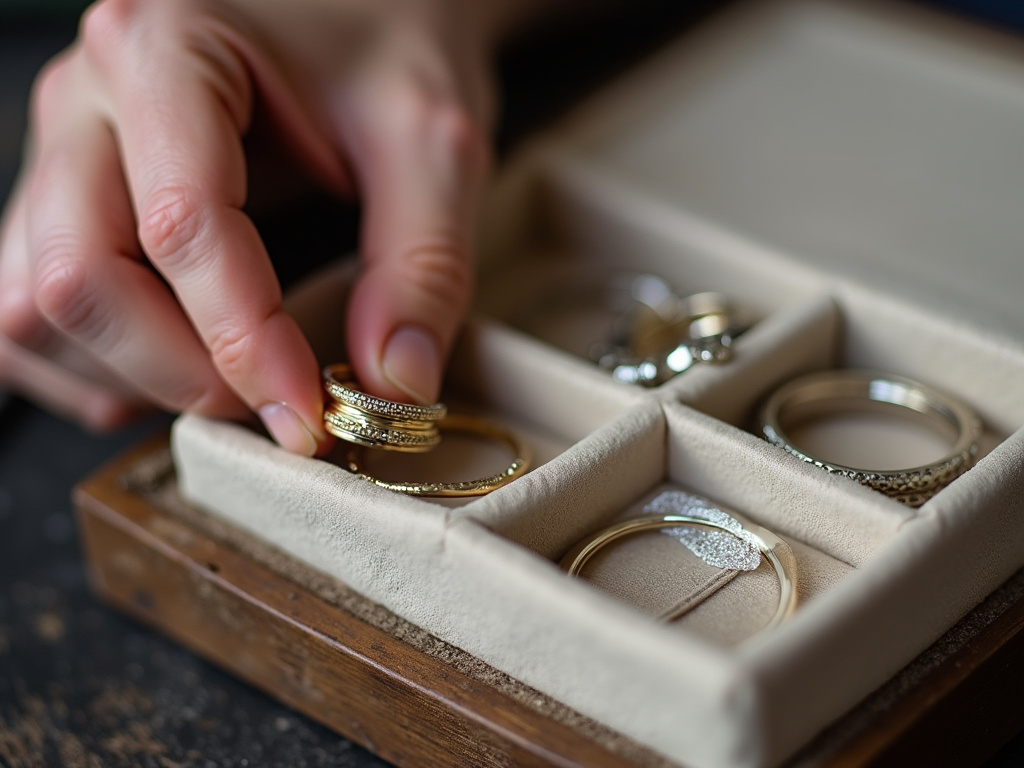
No. Storing silver and gold together will not cause a corrosive chemical reaction. The fear is a persistent myth, likely confused with issues involving copper or other base metals.
Solid gold (10k, 14k, 18k) is highly non-reactive. It won’t tarnish or degrade from contact with silver. Sterling silver tarnishes due to a reaction with sulfur in the air (found in wool, rubber bands, and some paints), not because it’s touching gold. Placing an anti-tarnish strip, like those from 3M or Pacific Silvercloth, in your storage box does more to protect your silver than segregation ever could.
The real, tangible risk is physical damage. Harder metals and gemstones can scratch softer ones. A diamond set in a gold ring can gouge a polished silver bangle if they’re tossed together in a pile. This is why proper storage matters, it’s about organization and protection, not metal apartheid.
- Use divided storage: A lined box with separate compartments, soft individual pouches, or a multi-tiered stand prevents tangling and scratches.
- Employ anti-tarnish measures: For silver, include anti-tarnish strips or tabs in the compartment. Keep the environment dry.
- Separate by hardness: Store diamond or sapphire pieces separately from softer metals like pure silver or gold.
Your primary goal for preventing tarnish is to limit exposure to air and pollutants, not to keep your gold in a different drawer from your silver.
How Should I Clean Mixed-Metal Jewelry?
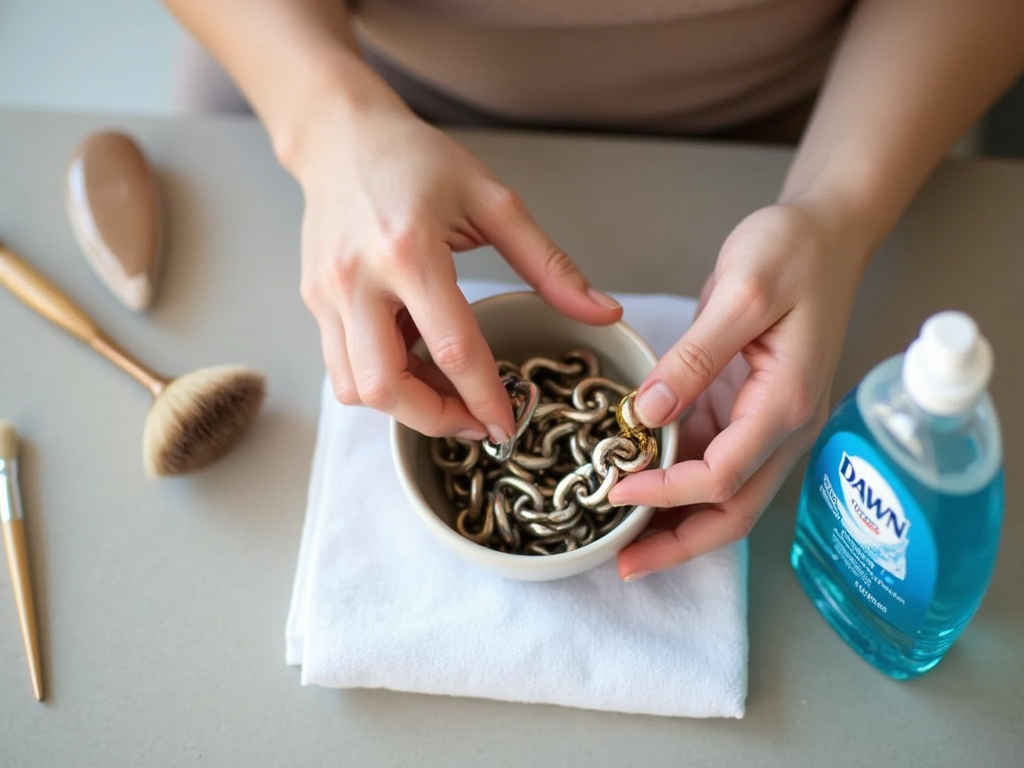
Here’s where my bracelet disaster comes in. Silver and gold have different care personalities, and using the wrong method on a mixed piece can cause damage. Always default to the gentlest method required by the most delicate component in the item.
For a necklace with both gold and silver links, use the warm, soapy water method safe for gold. A drop of Dawn Ultra dish soap in warm water and a soft-bristled brush, like a clean Kent 2000 makeup brush, is gentle enough. Avoid abrasive silver polishes like Goddard’s Silver Foam on the mixed areas, as they can wear down gold plating.
Before you start: Using harsh chemical dips or abrasive pastes on plated or vermeil items can strip the gold layer permanently. Always test on a small, hidden area first, and never soak pearl or opal pieces.
For general upkeep, regular, gentle cleaning is better than intensive, occasional scrubbing. After cleaning any piece, especially mixed ones where water can hide in links, dry thoroughly with a soft, lint-free cloth.
Care Guide by Metal Type
| Metal Type | Primary Enemy | Safe Cleaning Method | Risk of Wrong Method |
|---|---|---|---|
| Sterling Silver | Sulfur (air, wool) | Twinkle Silver Cream or a paste of baking soda & water. Rinse and dry completely. | Baking soda paste can micro-scratch high-polish finishes if rubbed too hard. |
| Solid Gold (14k, 18k) | Dirt, oil, lotion | Mild soap (Dawn Ultra), warm water, soft brush. Polish with a dedicated Sunshine Cloth. | Harsh chemicals can dull the alloy; ultrasonic cleaners can loosen settings. |
| Gold Vermeil/Plated | Abrasion | Damp microfiber cloth only. No rubbing. Store carefully to prevent scratching. | Any abrasive cleaner or cloth will wear through the thin gold layer to the base silver beneath. |
When in doubt, especially with heirlooms or valuable pieces, professional cleaning is the safest bet. For more detailed steps, see our guides on cleaning silver jewelry and gold jewelry maintenance.
Frequently Asked Questions
Does mixing silver and gold jewelry look cheap?
No, it looks contemporary and considered. The “cheap” look comes from poor-quality, poorly plated pieces where the finish wears off unevenly. High-quality metals, mixed with intention, read as sophisticated and personal.
What if my skin tone seems to change with the seasons?
This is common. Many people are warmer in summer and cooler in winter. Let your jewelry reflect that. In summer, lean into gold as your anchor; in winter, let silver take the lead. Your gold jewelry care and silver jewelry care routines remain constant.
Can I shower with my mixed metal jewelry on?
You can, but you shouldn’t make a habit of it. Consistent exposure to soap, shampoo, and hard water accelerates tarnishing on silver and creates soap scum buildup on both metals, dulling their shine. For long-term preserving gold jewelry, take it off.
How do I clean a tarnished piece that has both metals?
Use the gentlest method. For light tarnish, a soft cloth made for cleaning tarnished metals is safest. For heavier tarnish on a mixed piece, especially if it contains plating, consult a professional jeweler to avoid damaging the finish.
Are some metals truly incompatible for storage?
Yes, but not silver and gold. The main concern is storing soft, pure metals (like fine silver or 24k gold) with harder, abrasive materials. Also, never store pearls or opals in airtight plastic, as they need a slight amount of moisture. For most modern jewelry, proper jewelry storage in a fabric-lined, divided box solves the problem.
The Bottom Line
The question has shifted from “can you” to “how will you?” The old rule is dead, buried by legal change and vibrant personal style. Start with a piece you love, add a contrasting metal with purpose, and observe how it makes you feel.
Remember that care is straightforward but specific. Clean gently according to the metal’s needs, store thoughtfully to prevent physical damage, and wear your pieces often. Your mixed-metal style is a signature, infinitely more interesting than a monochromatic mandate.
Finally, trust your eye. If a combination makes you smile when you catch your reflection, you’ve nailed it. That’s the only rule that has ever truly mattered.
{
“@context”: “https://schema.org”,
“@type”: “HowTo”,
“name”: “How to Mix Silver and Gold Jewelry”,
“totalTime”: “PT10M”,
“tool”: [
{
“@type”: “HowToTool”,
“name”: “Your existing silver and gold jewelry”
},
{
“@type”: “HowToTool”,
“name”: “A mirror with natural light”
},
{
“@type”: “HowToTool”,
“name”: “A focal or ‘hero’ piece”
}
],
“step”: [
{
“@type”: “HowToStep”,
“name”: “Identify your skin’s undertone”,
“text”: “Look at the veins on your wrist in natural light. Blue or purple veins indicate a cool undertone, better suited to silver. Greenish veins indicate a warm undertone, better suited to gold.”
},
{
“@type”: “HowToStep”,
“name”: “Choose a dominant metal”,
“text”: “Pick one metal as your anchor, typically the one that flatters your undertone. This becomes your ‘hero’ piece, like a statement necklace or bold cuff.”
},
{
“@type”: “HowToStep”,
“name”: “Layer with the secondary metal”,
“text”: “Add smaller, thinner pieces in the other metal. Pair a gold pendant necklace with a delicate silver chain, or stack a silver ring between two gold bands.”
},
{
“@type”: “HowToStep”,
“name”: “Incorporate a deliberate connector”,
“text”: “Use a piece that physically combines both metals, like a two-tone ring or a bracelet with mixed links. This makes the combination look intentional.”
},
{
“@type”: “HowToStep”,
“name”: “Step back and assess balance”,
“text”: “Check your reflection. The look should feel cohesive, not like two separate outfits on your wrists and neck. Adjust by adding or removing one accent piece.”
}
]
}
{
“@context”: “https://schema.org”,
“@type”: “FAQPage”,
“mainEntity”: [
{
“@type”: “Question”,
“name”: “Does mixing silver and gold jewelry look cheap?”,
“acceptedAnswer”: {
“@type”: “Answer”,
“text”: “No, it looks contemporary and considered. The \”cheap\” look comes from poor-quality, poorly plated pieces where the finish wears off unevenly. High-quality metals, mixed with intention, read as sophisticated and personal.”
}
},
{
“@type”: “Question”,
“name”: “What if my skin tone seems to change with the seasons?”,
“acceptedAnswer”: {
“@type”: “Answer”,
“text”: “This is common. Many people are warmer in summer and cooler in winter. Let your jewelry reflect that. In summer, lean into gold as your anchor; in winter, let silver take the lead. Your gold jewelry care and silver jewelry care routines remain constant.”
}
},
{
“@type”: “Question”,
“name”: “Can I shower with my mixed metal jewelry on?”,
“acceptedAnswer”: {
“@type”: “Answer”,
“text”: “You can, but you shouldn’t make a habit of it. Consistent exposure to soap, shampoo, and hard water accelerates tarnishing on silver and creates soap scum buildup on both metals, dulling their shine. For long-term preserving gold jewelry, take it off.”
}
},
{
“@type”: “Question”,
“name”: “How do I clean a tarnished piece that has both metals?”,
“acceptedAnswer”: {
“@type”: “Answer”,
“text”: “Use the gentlest method. For light tarnish, a soft cloth made for cleaning tarnished metals is safest. For heavier tarnish on a mixed piece, especially if it contains plating, consult a professional jeweler to avoid damaging the finish.”
}
},
{
“@type”: “Question”,
“name”: “Are some metals truly incompatible for storage?”,
“acceptedAnswer”: {
“@type”: “Answer”,
“text”: “Yes, but not silver and gold. The main concern is storing soft, pure metals (like fine silver or 24k gold) with harder, abrasive materials. Also, never store pearls or opals in airtight plastic, as they need a slight amount of moisture. For most modern jewelry, proper jewelry storage in a fabric-lined, divided box solves the problem.”
}
}
]
}
