
Is Hydrogen Peroxide Safe to Clean Earrings? The Risks to Know
You can clean earrings with hydrogen peroxide, but you absolutely should not. It is a harsh oxidizer that damages healing piercings, strips anodized colors from titanium, speeds up tarnish on sterling silver, and can ruin porous stones and plated finishes. For plain metal earrings you need to disinfect, 70% isopropyl alcohol is the safer, more effective choice.
The universal mistake is assuming hydrogen peroxide is a gentle, all-purpose disinfectant. It bubbles on a wound, so it must be good for jewelry, right? That reaction is actually a sign it’s breaking down organic material, including the fragile new skin cells trying to form around a fresh piercing. General web articles often recommend it because it’s a common household item, but professional piercers and dermatologists actively warn against it for a list of very specific reasons.
This guide walks through exactly what hydrogen peroxide does to different earring materials, when it causes irreversible damage, and what to use instead for everything from a new lobe piercing to your grandmother’s heirloom silver studs.
Key Takeaways
- Hydrogen peroxide damages healing tissue and can set back piercing recovery by weeks.
- It causes uncontrolled surface reactions on titanium, turning anodized colors hazy grey and creating a rough texture that harbors bacteria.
- It accelerates tarnishing on sterling silver and copper alloys and can dissolve the thin plating on gold-filled or vermeil pieces.
- For disinfecting plain metal earrings, 70% isopropyl alcohol is more effective and less damaging.
- For cleaning most jewelry, a solution of mild dish soap and lukewarm water is the safest, most universal method.
Why Hydrogen Peroxide Is a Bad Idea for Most Earrings
Hydrogen peroxide works by releasing oxygen radicals that oxidize, essentially burn, organic matter. This is great for disinfecting a countertop. It is terrible for the delicate ecosystem of a healing piercing or the polished surface of fine jewelry. The Association of Professional Piercers explicitly advises against using hydrogen peroxide on healing piercings, recommending sterile saline solution instead.
Common mistake: Soaking a new piercing in hydrogen peroxide to “kill germs”, the solution damages the fragile capillary beds forming in the healing channel, delaying closure and increasing scarring risk.
Using it on earrings themselves creates two problems. First, it doesn’t rinse off cleanly. Residual peroxide continues to react, which is why it can speed up tarnish on silver. Second, its oxidative power doesn’t discriminate. It will attack the metal alloy, any plating, and the binders or backings on porous stones.
TL;DR: Hydrogen peroxide is too aggressive for jewelry care. It damages healing skin, metal finishes, and delicate stones while offering no cleaning advantage over safer alternatives.
The Titanium Jewelry Problem That Changes Everything
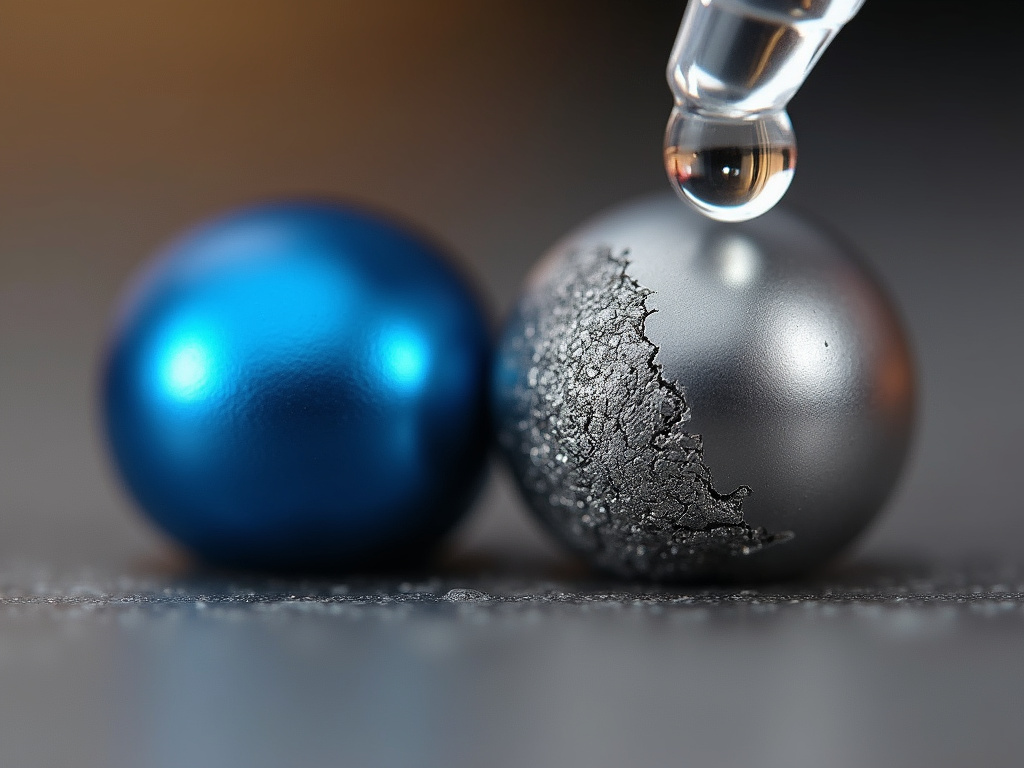
If you have any implant-grade titanium jewelry, common for initial piercing studs and popular for its hypoallergenic properties, hydrogen peroxide is a hard no. Professional piercer Lynn Loheide states it plainly: hydrogen peroxide “doesn’t belong ANYWHERE near your body piercing.” The chemistry is specific and destructive.
Titanium’s corrosion resistance comes from a stable oxide layer. Hydrogen peroxide disrupts this layer, causing uncontrolled hydroxyl radicals to form on the surface. This creates a microscopically rough, imperfect finish. That roughness is more than a visual flaw.
A rough surface gives bacteria and debris tiny crevices to cling to, which can directly impact healing and long-term hygiene for a piece meant to be worn 24/7.
For anodized titanium, which gets its color from an electrically thickened oxide layer, hydrogen peroxide is even worse. It strips that layer unevenly. Your beautiful purple or blue anodized post can fade to a patchy, hazy grey. This isn’t a simple cleaning mishap; it’s a chemical alteration of the metal’s surface. Once the anodizing is damaged, it cannot be fixed at home, it requires professional re-anodization.
The risk extends beyond direct application. Peroxide-based hair lighteners, dyes, or acne creams that contact the jewelry can cause the same damage. If you have an upper ear piercing and bleach your hair, be meticulous about keeping the products away from your jewelry.
TL;DR: Hydrogen peroxide chemically degrades the protective oxide layer on titanium, creating a bacteria-harboring rough surface and stripping anodized colors permanently.
When You Might Be Tempted. And What to Use Instead
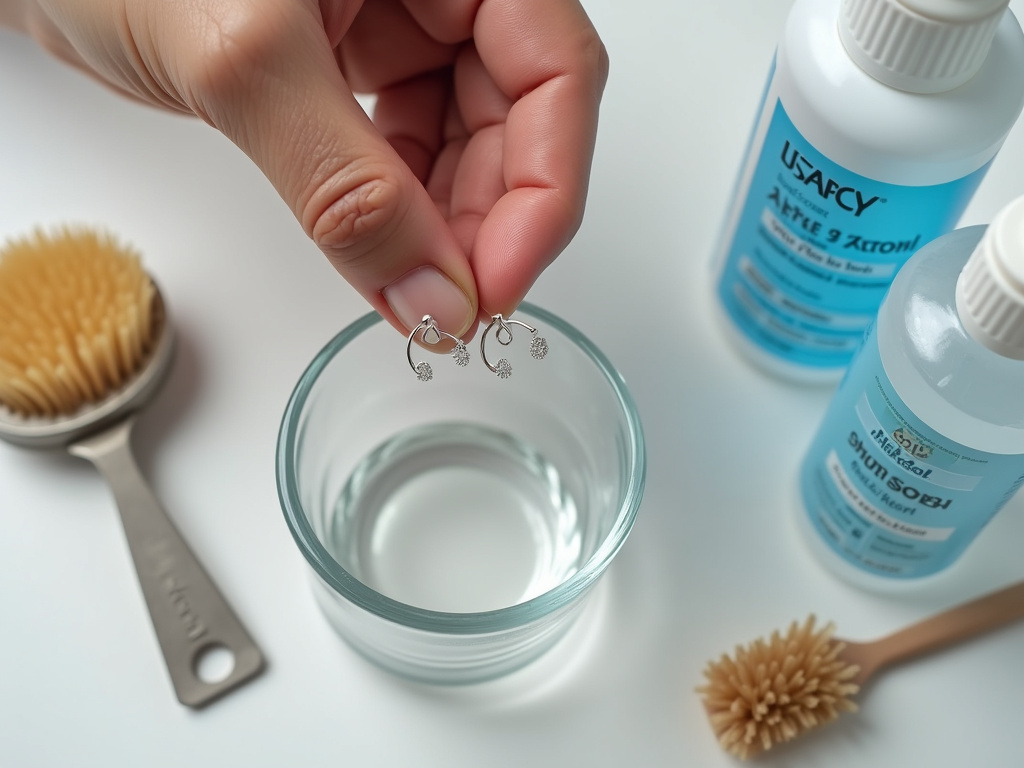
People reach for hydrogen peroxide for three main reasons: disinfecting earrings, cleaning gunk off backs and posts, and dealing with minor infection signs. For each scenario, a better, safer alternative exists.
| Scenario | Why Hydrogen Peroxide Seems Logical | The Better, Safer Alternative | Why It’s Better |
|---|---|---|---|
| Disinfecting earrings | It’s a known household disinfectant. | 70% isopropyl alcohol. Soak for 5 minutes. | More effective against bacteria and viruses, evaporates completely leaving no residue, less damaging to metals. |
| Cleaning gunk/debris | The bubbling action appears to “lift” dirt. | Mild dish soap (like Dawn) & lukewarm water. Soak, then scrub with soft brush. | Physically removes oils and skin cells without causing oxidative damage to metal or stones. |
| A fresh or irritated piercing | To “sterilize” the wound. | 0.9% sterile saline wound wash. Spray twice daily. | Isotonic and non-cytotoxic; cleans without damaging new tissue cells. The American Academy of Dermatology recommends this. |
| Removing light tarnish | Oxidation reaction might reverse tarnish. | Specialized silver polish or a baking soda paste. | Targets tarnish specifically without the uncontrolled oxidation that can worsen it over time. |
The takeaway is that every job hydrogen peroxide can do, another common product does better and without the collateral damage. Isopropyl alcohol is a superior disinfectant. Soap and water are better cleaners. Saline is the only appropriate wound cleanser.
A Step-by-Step Guide to Safe Cleaning (By Material)
The right method depends entirely on what your earrings are made of. This isn’t a one-solution-fits-all situation. The first step is always identification: look for stamps inside the earring back or on the post.
For Solid Gold, Sterling Silver, Stainless Steel, and Platinum
These durable metals can handle a proper clean. You’ll need a soft-bristled toothbrush (new, reserved for jewelry), a lint-free microfiber cloth, mild dish soap, and lukewarm distilled water.
- Mix a cleaning bath. Add a drop of mild dish soap to a small bowl of lukewarm distilled water. Avoid hot water, as it can loosen some glued settings.
- Soak and agitate. Let the earrings sit for 5-10 minutes. Swirl them gently.
- Scrub gently. Use the soft toothbrush to clean the post, the clutch backs, and any intricate filigree. Apply almost no pressure. Scrubbing too hard can scratch even hard metals.
- Rinse thoroughly. Hold the earrings under a stream of cool, running distilled water. Tap water contains minerals that can leave spots.
- Dry completely. Pat them dry with the microfiber cloth. Let them air-dry fully on a towel for another 10 minutes before storing. Any residual moisture will accelerate tarnish on silver.
For light disinfecting between wears or before putting earrings back in healed piercings, a quick soak in 70% isopropyl alcohol is effective. Submerge for 5 minutes, then air-dry on a clean paper towel.
For Gold-Plated, Gold-Filled, or Vermeil Earrings
The goal here is to clean the surface without wearing through the thin precious metal layer. Harsh chemicals and abrasives are the enemy.
Common mistake: Using toothpaste or baking soda on plated jewelry, the micro-abrasives scratch the soft gold surface, making it look dull and accelerating wear.
Stick to the mild soap and water method above, but reduce the soak time to 2-3 minutes. Skip the toothbrush unless absolutely necessary, and if you must, use a makeup brush with ultra-soft bristles. Dry immediately and thoroughly. Never use commercial dip cleaners, ultrasonic cleaners, or anything containing ammonia or bleach.
For Earrings with Pearls, Opals, Emeralds, or Other Porous Stones
These materials are absorbent. Liquids can seep in, causing discoloration, clouding, or even structural damage. Hydrogen peroxide is particularly bad, but even water can be risky if it gets behind the setting.
Dampen a cloth, don’t soak the piece. Put a small amount of mild soap on a damp, soft cloth. Gently wipe the metal parts of the earring, avoiding direct contact with the stone. Immediately wipe with a second cloth dampened with plain water to remove soap residue. Dry with a soft, dry cloth. Never submerge porous stones.
For Costume or Fashion Jewelry
This category is a wild card. It could be base metal, plastic, resin, or glass. The safest approach is the most gentle.
Use a slightly damp cloth with a tiny bit of soap to wipe the surface. Dry immediately. Avoid any liquids near glued joints or painted finishes. Testing on a small, hidden area first is wise. For more detailed methods, our guide on costume jewelry cleaning covers safe solutions for non-precious materials.
What About Infected or Irritated Piercings?
This is where the advice gets strict, and it’s backed by medical bodies like the American Academy of Dermatology. If you suspect an infection (increasing redness, swelling, heat, pus), see a doctor. Do not self-treat with hydrogen peroxide.
For minor irritation, redness, or “piercing bumps,” the only recommended cleaning agent is sterile saline wound wash. This is a 0.9% sodium chloride solution with no additives. You spray it on, let it sit, and gently wipe away loosened crust with a clean, disposable paper product. The AAD piercing aftercare guidelines emphasize this gentle approach twice a day.
Hydrogen peroxide will damage the healing fistula (the tube of new skin). It kills the very cells your body is trying to grow to close the wound. This can turn a minor irritation into a prolonged healing process or worse scarring. Stick to saline.
The Absolute “Do Not Use” List
Some common household cleaners are especially destructive. Referencing a general jewelry cleaning guide can help you avoid them.
- Bleach or Chlorine-Based Cleaners: These cause irreversible pitting corrosion and can break down metal alloys.
- Acetone or Nail Polish Remover: Will dissolve plastics, resins, and certain glues used in stone settings. It can also strip plated finishes.
- Undiluted Vinegar or Lemon Juice: The acid can eat away at copper alloys (like brass) and accelerate tarnish on sterling silver.
- Toothpaste: Contains micro-abrasives (like silica) that will scratch gold, silver, and even some stones.
- Ultrasonic Cleaners: The vibrations can loosen fragile settings, drive liquids into porous stones, and strip plating. Never use them on opals, emeralds, pearls, or plated jewelry.
For tarnished metal jewelry, use a paste specifically made for that metal, not a harsh chemical.
Frequently Asked Questions
Can I use hydrogen peroxide to clean my earrings if I rinse it off right away?
No. The oxidative reaction begins on contact. Even a brief exposure can start the process of damaging titanium’s surface or accelerating tarnish on silver. Rinsing doesn’t undo the initial chemical change.
My piercing is oozing a little; won’t hydrogen peroxide dry it out?
Drying out a wound is not the goal of healing. You need a moist, clean environment for new skin cells to migrate and close the piercing. Hydrogen peroxide damages those cells. Sterile saline cleans without harming the healing tissue.
What’s the best way to disinfect earrings for someone else to wear?
For plain metal studs or hoops, a 5-minute soak in 70% isopropyl alcohol is effective. Rinse with distilled water and dry thoroughly. For earrings with stones or plating, use the mild soap and water method, ensuring they are completely dry before storing or wearing.
I used hydrogen peroxide on my silver earrings and they turned darker. What happened?
You accelerated the tarnishing process. Silver tarnish is silver sulfide. Hydrogen peroxide can facilitate the reaction between silver and sulfur-containing compounds in the air or on skin. To fix it, use a proper silver cleaning method like a silver polish cloth or an aluminum foil, baking soda, and hot water bath.
Can I use rubbing alcohol instead of isopropyl alcohol?
They are often the same thing. Check the label: you want a solution that is 70% isopropyl alcohol. Higher concentrations (like 90%) evaporate too quickly to be effective disinfectants.
The Bottom Line
Hydrogen peroxide has no place in a jewelry care kit. Its potential for damage, from ruining anodized titanium to irritating healing piercings, far outweighs any perceived benefit. For disinfecting, 70% isopropyl alcohol works better. For cleaning, mild soap and water works better. For healing piercings, sterile saline is the only medically approved option.
Keep it simple. Identify your earring material, choose the gentlest effective method, and dry everything thoroughly. That routine will keep your pieces looking their best and your piercings healthy for the long term.
{
“@context”: “https://schema.org”,
“@type”: “HowTo”,
“name”: “How to Clean Earrings Safely Without Hydrogen Peroxide”,
“totalTime”: “PT10M”,
“tool”: [
{
“@type”: “HowToTool”,
“name”: “Soft-bristled toothbrush”
},
{
“@type”: “HowToTool”,
“name”: “Lint-free microfiber cloth”
},
{
“@type”: “HowToTool”,
“name”: “Small bowl or cup”
}
],
“supply”: [
{
“@type”: “HowToSupply”,
“name”: “Mild dish soap (like Dawn)”
},
{
“@type”: “HowToSupply”,
“name”: “Lukewarm distilled water”
},
{
“@type”: “HowToSupply”,
“name”: “0.9% sterile saline wound wash”
},
{
“@type”: “HowToSupply”,
“name”: “70% isopropyl alcohol”
}
],
“step”: [
{
“@type”: “HowToStep”,
“name”: “Identify your earring material”,
“text”: “Check for stamps like 925 (sterling silver), 14K/18K (gold), or implant-grade titanium. Costume jewelry with no stamp requires gentler care.”
},
{
“@type”: “HowToStep”,
“name”: “Prepare the cleaning solution”,
“text”: “For plain metals, mix a few drops of mild dish soap in a bowl of lukewarm distilled water. For disinfecting, use 70% isopropyl alcohol in a small cup.”
},
{
“@type”: “HowToStep”,
“name”: “Soak and scrub”,
“text”: “Submerge the earrings for 5-10 minutes. Use a soft toothbrush to gently scrub the posts, backs, and any intricate settings. Avoid stones and pearls.”
},
{
“@type”: “HowToStep”,
“name”: “Rinse and dry thoroughly”,
“text”: “Rinse under cool running distilled water to remove all soap residue. Pat completely dry with a lint-free cloth before storing.”
}
]
}
{
“@context”: “https://schema.org”,
“@type”: “FAQPage”,
“mainEntity”: [
{
“@type”: “Question”,
“name”: “Can I use hydrogen peroxide to clean my earrings if I rinse it off right away?”,
“acceptedAnswer”: {
“@type”: “Answer”,
“text”: “No. The oxidative reaction begins on contact. Even a brief exposure can start the process of damaging titanium’s surface or accelerating tarnish on silver. Rinsing doesn’t undo the initial chemical change.”
}
},
{
“@type”: “Question”,
“name”: “My piercing is oozing a little; won’t hydrogen peroxide dry it out?”,
“acceptedAnswer”: {
“@type”: “Answer”,
“text”: “Drying out a wound is not the goal of healing. You need a moist, clean environment for new skin cells to migrate and close the piercing. Hydrogen peroxide damages those cells. Sterile saline cleans without harming the healing tissue.”
}
},
{
“@type”: “Question”,
“name”: “What’s the best way to disinfect earrings for someone else to wear?”,
“acceptedAnswer”: {
“@type”: “Answer”,
“text”: “For plain metal studs or hoops, a 5-minute soak in 70% isopropyl alcohol is effective. Rinse with distilled water and dry thoroughly. For earrings with stones or plating, use the mild soap and water method, ensuring they are completely dry before storing or wearing.”
}
},
{
“@type”: “Question”,
“name”: “I used hydrogen peroxide on my silver earrings and they turned darker. What happened?”,
“acceptedAnswer”: {
“@type”: “Answer”,
“text”: “You accelerated the tarnishing process. Silver tarnish is silver sulfide. Hydrogen peroxide can facilitate the reaction between silver and sulfur-containing compounds in the air or on skin. To fix it, use a proper silver cleaning method like a silver polish cloth or an aluminum foil, baking soda, and hot water bath.”
}
},
{
“@type”: “Question”,
“name”: “Can I use rubbing alcohol instead of isopropyl alcohol?”,
“acceptedAnswer”: {
“@type”: “Answer”,
“text”: “They are often the same thing. Check the label: you want a solution that is 70% isopropyl alcohol. Higher concentrations (like 90%) evaporate too quickly to be effective disinfectants.”
}
}
]
}
