
Can You Wear Jewelry in a CT Scan? The Clear Answer
This post contains affiliate links. As an Amazon Associate, we earn from qualifying purchases.
No, you cannot wear jewelry during a CT scan. Metals like gold, silver, and platinum block and scatter the x-rays, creating blinding streaks called artifacts that obscure anatomy. This can hide tumors, fractures, or bleeding, potentially leading to a missed diagnosis or a need for a repeat scan and unnecessary radiation exposure.
As a lifelong jewelry lover, I understand the instinct to keep your pieces close. My grandmother’s heirloom wedding band never left her finger. That changed when her abdominal CT for unexplained pain came back with a concerning note: “Findings limited by metallic artifact from a ring.” The platinum band, a symbol of 50 years, had cast a shadow over part of her colon. We had to repeat the scan a week later, doubling her anxiety. Sentimentality has no place in the scanner. Your health image must be crystal clear, and that starts by leaving your treasures safely behind.
Key Takeaways
- Jewelry creates “streak artifacts” on CT images by completely absorbing or scattering x-rays, rendering large areas unreadable.
- “Metal” includes hidden items like bra underwires, jean rivets, zippers, and metallic threads, not just obvious rings and necklaces.
- Always declare permanent or difficult-to-remove piercings when you schedule the scan; advanced software can help but is not a cure-all.
- Remove all jewelry at home and store it securely in a dedicated case like a Case Elegance 4-Layer Jewelry Organizer Roll to prevent loss or damage.
- Non-metallic materials like plastic, silicone, or glass are usually safe, but always inform your technologist.
Why Can’t I Wear My Jewelry in the Scanner?
A CT scanner builds a detailed cross-sectional image by taking thousands of x-ray measurements from different angles. Metal catastrophically interrupts this process due to its high density. It’s not a safety issue like with an MRI, but a problem of visual noise.
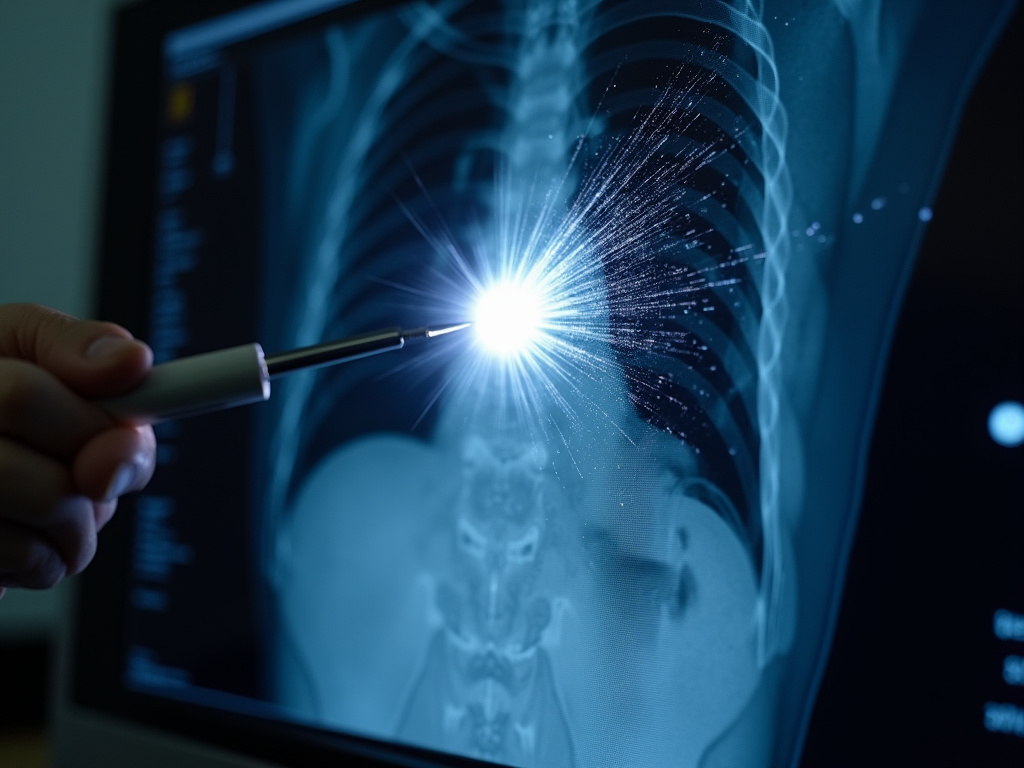
Metal artifacts manifest as bright and dark streaks on CT images because the metal object completely absorbs or dramatically attenuates the x-ray beams passing through it. This creates areas with no usable data and alters the beam’s energy spectrum, which the reconstruction algorithm cannot correctly process.
The two primary physical effects are photon starvation (where the metal absorbs most x-rays, creating dark streaks from missing data) and beam hardening (where the metal filters the beam, causing bright streaks). The result is a sunburst pattern of noise that drowns out soft tissue, bone, and organs. According to the Radiopaedia article on jewellery artifact, these artifacts “obscure important structures and preclude confident diagnostic evaluation.”
TL;DR: Metal creates blinding streaks of noise on the image. The scanner’s computer cannot see through it, potentially hiding critical findings.
What Exactly Counts as “Metal” on Scan Day?
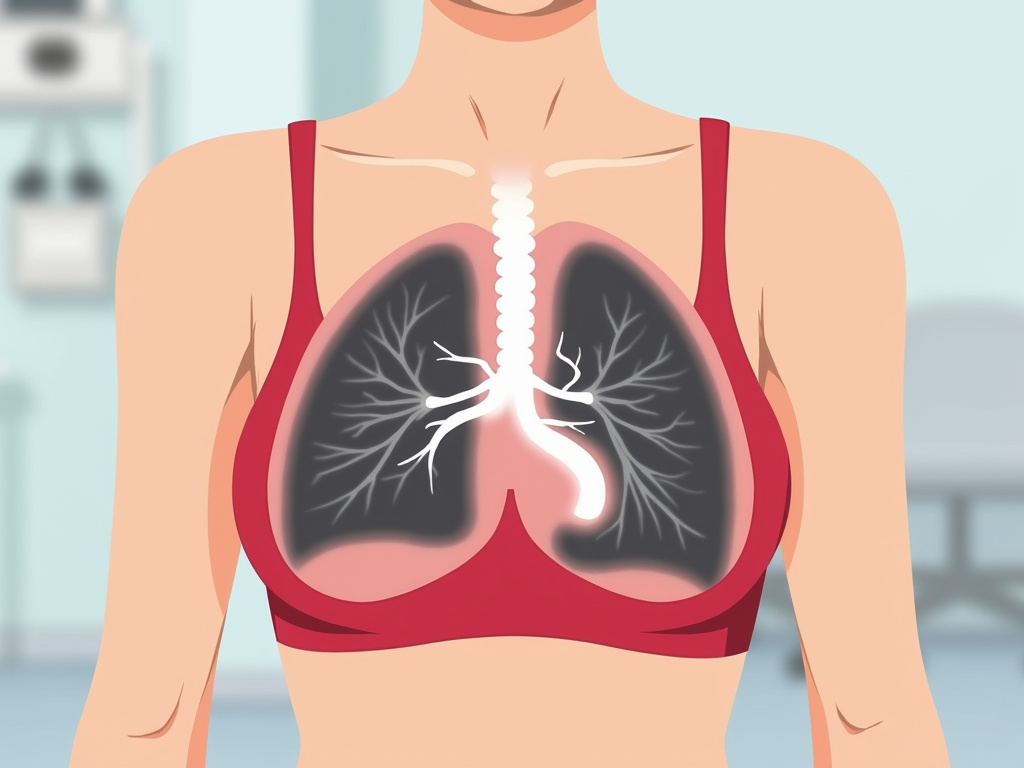
The directive to remove metal is absolute for the area being scanned. It extends far beyond your favorite necklace. Everyday clothing is often full of hidden interference.
Common mistake: Keeping on a sports bra with a plastic clasp but a metal underwire. That wire runs across the chest wall and can completely obscure lung nodules or breast tissue, requiring a retake.
Use this checklist. If your clothing has any of these, you’ll need to change into a hospital gown.
| Garment Type | Common Metal Sources | Potential Impact on Scan |
|---|---|---|
| Tops & Dresses | Underwire bras, zippers, snap buttons, metal decorative beads or threads, hook-and-eye closures. | A bra underwire can mask a significant portion of the lung field or mediastinum. |
| Bottoms | Zippers, button flies, metal rivets (like on jeans), belt buckles, snap fasteners. | A belt buckle at waist level can obliterate the view of the lumbar spine, kidneys, or abdominal aorta. |
| Accessories | All jewelry, hairpins, glasses, watches, fitness trackers, neckties with metal clips. | A necklace chain creates a swirling artifact pattern over the thyroid, neck vessels, and cervical spine. |
| Other | Dentures with metal clasps, removable hearing aids, nicotine patches with foil backing. | Dental work creates massive artifacts in head and neck scans, making evaluation impossible. |
The safest path is to wear loose, soft clothing like sweatpants and a metal-free t-shirt. This is also the perfect moment to give your pieces some care with proper jewelry storage solutions before you leave.
What If I Have a Piercing I Can’t Remove?
For certain genital, surface, or intricate cartilage piercings, removal might require a professional. The Association of Professional Piercers (APP) notes that while jewelry in the scan area must come out, removal for other scans can be “impractical,” and such jewelry should react like any medical implant. This is where communication is critical.
- Declare it immediately. When scheduling, inform the facility about the piercing’s location and material (e.g., implant-grade titanium, niobium, or solid 14k gold).
- Understand the tech’s tools. The radiologist may use Metal Artifact Reduction (MAR) software. As detailed in the RSNA metal artifact reduction guide, these algorithms identify metal (pixels over ~3000 Hounsfield Units) and attempt to reconstruct the corrupted data around it.
- Know the limits. MAR is a tool, not a fix. It works best with large, known implants like hip replacements. For a small, dense piece of jewelry, the improvement is often subtle. The final image is still compromised.
I learned this lesson from a piercer after insisting my implant-grade titanium was “practically invisible.” He showed me an x-ray of a similar piece casting a comet-tail of noise and said, “To a CT scanner, your fancy metal is just a roadblock.” The radiologist has the final say and will insist on removal if the piercing is in the area of clinical concern.
TL;DR: Communicate early about permanent piercings. MAR software can help but is imperfect. The radiologist may still require removal for a diagnostic scan.
My Step-by-Step Prep to Protect Your Jewelry
A routine prevents panic and keeps your valuables safe. This is my personal protocol, refined after one too many frantic searches at the bottom of my purse.
- Remove everything at home. Do this last, right before you walk out the door. Take off rings, necklaces, bracelets, watches, and removable piercings. This eliminates the risk of forgetting something in a hectic hospital changing room.
- Give each piece a quick wipe. I keep a stack of cheap, yellow microfiber cloths from the auto parts store by my jewelry box. They’re lint-free and perfect for a quick polish. This simple act of care, feeling the cloth, seeing the shine, is now my calming pre-scan ritual. For specific metals, you might use appropriate jewelry cleaning methods.
- Store pieces in a secure, designated container. Generic bags won’t do. For individual piercings, I use GoTubb Small Silicone Containers, they’re airtight and non-reactive. For multiple pieces, my Case Elegance Jewelry Roll has never scratched a piece. Never bring this container into the imaging suite. Leave it in a locked glove box or at home.
- Wear metal-free clothing. Opt for sweatpants, a soft cotton t-shirt, and a sports bra without any hardware. Slip-on shoes are best.
- Verbally declare any remaining metal. When the technologist does the safety check, state clearly: “I have removed all jewelry and metal except for my [describe piercing] here.” Point to it.
Before you start: Forgetting a single metal item can ruin your scan, leading to a missed diagnosis or a repeat procedure with additional radiation exposure. Taking five minutes for a thorough metal check at home mitigates this risk entirely.
Can’t New Scanners Just “Fix” the Image?
You might hear about advanced CT techniques that “handle” metal. This is a dangerous half-truth. Technologies like MAR and dual-energy CT are for managing unavoidable surgical metal, not for accommodating personal jewelry.
Dual-energy CT scans at two x-ray energy levels, allowing the creation of virtual monochromatic images that reduce beam hardening artifacts. However, a major catch exists: for most scanners, the decision to use this mode must be made before the scan. If you show up with an unexpected belly ring, it’s too late.
Furthermore, as noted in the official CT scan safety guidelines, the standard patient preparation instruction is to remove all metal objects. No ethical imaging center will use advanced, resource-intensive techniques to compensate for patient non-compliance. The baseline for a diagnostic-quality scan is a metal-free patient.
What Material Is Actually Safe to Wear?
If it’s not metal, it’s generally transparent to x-rays. This is your loophole for sentimentality or necessity.
- Plastic, Silicone, or Glass Retainers: These are excellent for keeping piercings open. Clear Neometal Threadless Retainers in bio-plastic are a piercer-recommended standard.
- Wood, Bone, or Stone: Natural, non-metallic materials are typically fine.
- Certain Fabrics: Cotton, polyester, and other standard clothing materials.
Common mistake: Assuming “plastic” always means safe. Some plastics contain metallic additives or coatings for color. When in doubt, take it out or show it to your technologist before changing.
A simple test? If the item is flexible, dull, and feels like fabric or plain plastic, it’s likely okay. If it’s shiny, hard, cold to the touch, or conductive, it needs to come off. For metals known for durability, like stainless steel, proper stainless steel jewelry care involves knowing when to wear it, and a CT scan is not one of those times.
Frequently Asked Questions
What if my wedding band is stuck?
Inform the technologist immediately. For a hand, wrist, or arm scan, it’s a major problem. For a scan of your abdomen or chest, they may position your hands out of the field of view. There is no guarantee, and the image may still be affected.
Does the type of metal change the risk?
Yes, but not helpfully. The artifact severity relates to density and atomic number. Platinum and gold cause severe artifacts. Silver, stainless steel, and titanium cause significant streaks. There is no “CT-safe” metal for jewelry. A piece of tarnish-resistant jewelry like platinum is just as problematic.
I have many piercings. How long before should I remove them?
Remove them at home just before leaving. For older piercings, holes can start to close within 20-30 minutes. Have insertion tapers or spare jewelry ready for after your appointment. If you need to clean pieces you’re removing, like tarnished silver pieces, do it the night before.
Are MRI rules the same?
No. MRI rules are far more stringent and dangerous. The issue is the powerful magnet, which can turn ferromagnetic metals into projectiles or cause severe burns from heating. Never wear any jewelry into an MRI room unless explicitly cleared by the MR technologist.
The Bottom Line
The clarity of your CT scan is non-negotiable. That perfect picture of your health can be sabotographed by a necklace, a ring, or a hidden bra underwire. My grandmother’s experience taught me that the sentimental value of a piece means nothing if it clouds a vital diagnosis.
Your protocol is simple: strip off every bit of metal you can at home, store your pieces securely in a dedicated case, and wear simple, soft clothing. Communicate openly about anything you cannot remove. If a harried tech waves off your tiny nose stud, politely insist. Say, “I read that even a small stud can streak across the sinuses. I’d rather take it out.” Being your own advocate ensures the first picture is the only picture you need. Your jewelry, cared for with proper jewelry storage tips, will be waiting for you when you return, and you’ll have the peace of mind that comes with a clear, complete result.
