
How to Choose a Signet Ring: The Essential Selection Guide
To choose a signet ring, match three things: your exact finger size, a verifiable metal purity stamped inside the band, and a meaningful engraving placed correctly for its intended use. A proper fit prevents loss, a verified metal stamp guarantees value, and the right engraving direction, normal for display or reversed for sealing, makes it functional.
Most people start with the symbol. They fall for a crest or a monogram before they know if the ring will even stay on their hand. The engraving is the last decision, not the first. Get the physical fundamentals right, and the personalization becomes the easy, joyful part.
This guide walks through the non-negotiable steps of sizing and verification, then into the creative choices of metal, shape, and engraving. We’ll cover how to spot quality hallmarks, why engraving direction matters, and where tradition says to wear it (and why you might break that rule).
Key Takeaways
- A signet ring must fit tightly enough that it doesn’t spin freely or slip off over your knuckle, measure at the end of the day when your fingers are largest.
- The metal’s purity is verified by small stamps (hallmarks) inside the band; look for “750” for 18k gold or “925” for sterling silver.
- Engravings for wax seals are carved in reverse; monograms or initials for display are carved “for sight” (normal orientation).
- Softer engraved stones like carnelian demand specific care, keep them away from household chemicals or they will etch and dull.
- While British tradition places the ring on the left pinky, modern style says to wear it on whichever hand feels balanced and avoids clashing with a wedding band.
The 3 Non-Negotiables: Fit, Metal, and Meaning
You can love a design, but if the ring falls off in a sink or the metal turns your skin green, the symbol won’t matter. These three foundations come before any aesthetic choice.
First, fit. Not “close enough,” but exact.
A signet ring sits higher on the finger than a standard band. The flat bezel adds weight and leverage. If the fit is even slightly loose, the ring will constantly rotate the bezel toward your palm. It becomes annoying within an hour.
Measure the intended finger at the end of the day, when warmth has expanded it slightly. Use a professional ring sizer or a piece of string marked and measured against a millimeter guide. The ring should require a gentle push to pass over your knuckle, then sit snugly at the base without needing to be straightened repeatedly. A jeweler can add sizing beads inside the band if your knuckle is significantly larger than your finger base.
Second, metal verification. This is where cheap rings fail silently.
The Goldsmiths’ Company Assay Office in London has tested metals for over 700 years. Their system of tiny stamps, hallmarks, guarantees purity. A “750” stamp confirms the ring is 75.0% pure gold, or 18k. Sterling silver will bear a “925” stamp. If you see no stamps, you’re looking at base metal or plate. Use a magnifying glass. This stamp is your receipt for the material you’re paying for.
Third, intent. What is this ring for?
Is it a functional seal for documents or a symbolic piece of jewelry? The answer changes the engraving.
Common mistake: Ordering a family crest engraved “for sight” (normal) when you intend to press it into wax, the seal will come out mirrored and illegible. Engravings for sealing are always carved in reverse.
If sealing is your goal, you need a flat, smooth bezel of metal, not stone. The wax won’t release cleanly from a textured stone surface. For purely decorative rings, the world opens up: stone inlays, intricate carving, “for sight” initials.
TL;DR: Size it right, verify the metal stamps, and decide if the engraving is for sealing (reverse) or showing (normal) before you design anything.
Metal Choices: More Than Just Color
The metal determines the ring’s weight, durability, cost, and even how it ages. This isn’t an abstract choice; it’s a daily tactile experience.
| Metal | Best For | Key Verification Stamp | Consideration |
|---|---|---|---|
| 18k Gold (750) | Heirloom pieces, warm color lovers | “750” hallmark | Softer than 14k, will develop a patina of fine scratches over years of wear. |
| 14k Gold (585) | Daily wear, active lifestyles | “585” or “14k” | Harder than 18k, more resistant to deformation, color is slightly less rich. |
| Sterling Silver (925) | First signet ring, budget-conscious | “925” or “Sterling” | Requires more frequent polishing to maintain shine, but develops a beloved antique look if left untouched. |
| Platinum (950) | Hypoallergenic wearers, modern cool tone | “950” or “Plat.” | Dense and heavy, develops a soft “patina” rather than scratches, and is the most durable. |
Gold purity is measured in karats, with 24k being pure gold. Pure gold is too soft for a ring meant for daily wear. Alloying it with metals like copper or silver creates durability. 18k gold (75% pure) has a richer, deeper yellow hue but will show fine scratches, a “lived-in” look many cherish. 14k gold (58.5% pure) is noticeably harder and better for someone who works with their hands.
Sterling silver is an excellent, cost-effective entry point. The tarnish it develops is actually a protective layer of silver sulfide; polishing removes it, but some prefer the darkened, historic appearance. For a low-maintenance silver look, consider white gold, which is rhodium-plated gold alloy and needs replating every few years.
Platinum is the premium choice. It’s hypoallergenic, incredibly dense (a platinum ring will feel heavier than a gold one of the same size), and its wear pattern is different. Instead of losing metal through scratches, platinum develops a soft, uniform patina. It’s also the most expensive.
I leaned toward sterling silver for my first custom piece, a simple oval with my initials. The jeweler warned me: “It will blacken where it touches your skin, and you’ll be polishing it every month if you want it bright.” He was right. After a year, I stopped polishing. The dark crevices around the engraving now give it depth and a sense of history I’ve come to prefer over a constant shine.
Bezel Shape and Stone Selection: It’s About Your Hand
The bezel is the flat, engraved surface of the ring. Its shape and material should complement the scale of your hand, not fight it.
- Oval: The classic, most versatile shape. It suits most hand types and is a safe, elegant first choice.
- Cushion (square with rounded corners): Offers a more substantial, modern look. Can feel bulky on very slender fingers.
- Octagonal: Distinctive and bold. Makes a strong style statement but can catch on fabrics more easily.
- Round: Less common for signets, but offers a seamless, uniform look.
Hold your hand up, fingers together. The bezel should look proportional, not so large it dominates your finger, not so small it gets lost. A good jeweler will have display models to try.
Now, stone or no stone?
A plain metal bezel is traditional, durable, and necessary for sealing wax. A stone inlay adds color and texture but introduces a care variable.
| Stone / Material | Visual Effect | Durability & Care |
|---|---|---|
| Onyx / Black Agate | High-contrast, classic | Very durable (7 on Mohs scale). Avoid sharp blows. |
| Carnelian | Warm, reddish-orange, translucent | Softer (6.5-7). Keep away from harsh chemicals—acidic cleaners will etch the surface and dull the polish permanently. |
| Bloodstone | Dark green with red speckles | Durable (6.5-7). Good for daily wear. |
| Intaglio (carved gem) | Detailed, bas-relief scene | Depends on base stone. Requires gentle cleaning with a soft brush. |
| Plain Gold | Pure, reflective, traditional | Most durable for sealing. Develops a personal patina. |
The YouTube transcript from Gentleman’s Gazette noted that while early signets had raised designs, the shift to engraved bezels was driven by the practical need to create a clean impression in wax. A stone surface, while beautiful, cannot serve that traditional function.
If you choose a stone, understand its maintenance. A carnelian bezel is stunning, but wearing it while cleaning with bleach or ammonia will ruin its polished surface. For a low-maintenance jewelry metal that avoids this concern, a plain bezel of gold or platinum is the simplest path.
Engraving: Your Signature in Metal
This is the soul of the ring. The decision tree is simpler than it seems.
First, content. Family crests are historic but require you to have one. Monograms (interlaced initials) are timeless and personal. Simple block initials are clean and modern. Symbols (an animal, an anchor, a tree) can represent a personal value or milestone. The transcript suggests that starting a new tradition with a personal symbol is completely valid.
Second, and most critical, direction. This trips up more buyers than anything else.
- “For Sight” (Normal) Engraving: The design appears correct to the viewer. This is for rings meant solely to be looked at. All monograms and display initials should be done this way.
- Reverse (Mirror) Engraving: The design is carved in reverse. When pressed into soft wax, the impression it leaves reads correctly. This is only for rings intended to function as seals.
Mixing these up is a costly, unfixable error. If you dream of sealing letters, you need reverse engraving on a metal bezel. If you just want your initials to look right on your hand, choose “for sight.”
The actual engraving is done by a skilled craftsperson with a burin. Machine engraving is cleaner for sharp lines, but hand engraving has a slight, appealing variance that looks human. Discuss this with your jeweler.
Which Finger Do You Wear a Signet Ring On?
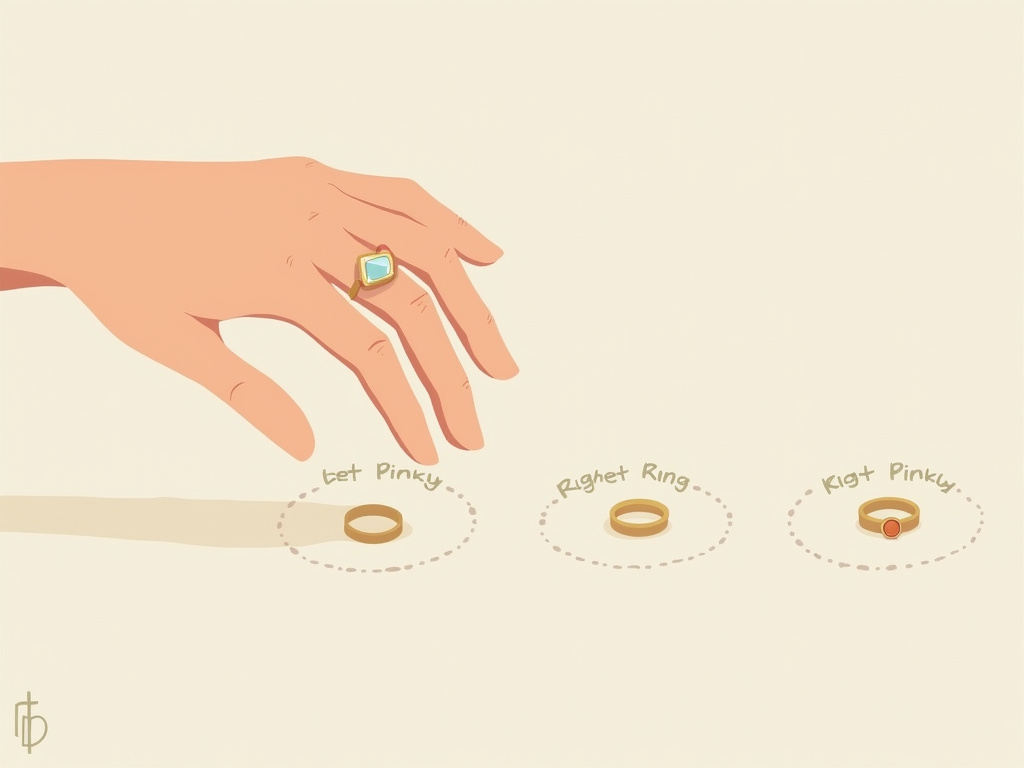
Tradition offers a map, but you live in your own body. The “rules” are really just common practices from different cultures.
Historically, as noted in the Gentleman’s Gazette transcript, British tradition favored the pinky finger of the left hand. This allowed a man to wear his signet ring stacked with a wedding band on the same finger, as seen with figures like Prince Charles. In the US, placement has been more varied, sometimes the right ring finger, sometimes the left.
Here is a simple guide based on practicality and modern style:
| Finger | Pro | Con | Best For |
|---|---|---|---|
| Left Pinky | Traditional, frees up other fingers. | Can feel crowded if worn with a wedding band on the left ring finger right next to it. | Followers of classic British style, those without a left-hand wedding band. |
| Right Ring Finger | Bold, statement placement. Balances a wedding band on the left hand. | Can interfere with writing if the bezel is very large. | Most modern wearers, especially those with a left-hand wedding band. |
| Right Pinky | Distinctive, less common. | May feel insubstantial on a smaller finger. | Someone wanting a unique look. |
Try it. Put a ring (any ring) on each of these fingers and go about your normal desk work, typing, writing, using a mouse. Does it catch? Does it feel unbalanced? Your comfort is the final rule. The transcript’s host personally found that wearing anything next to his wedding band on his left hand “just looks weird,” so he opts for his right hand.
Common mistake: Choosing a large, prominent bezel for your dominant hand’s ring finger, you will bang it on every doorframe and keyboard for a week before reluctantly moving it to your other hand. Start modest if you’re new to wearing rings.
Once you’ve chosen your ring, understanding proper jewelry storage will protect its finish when you’re not wearing it.
Caring for Your Signet Ring
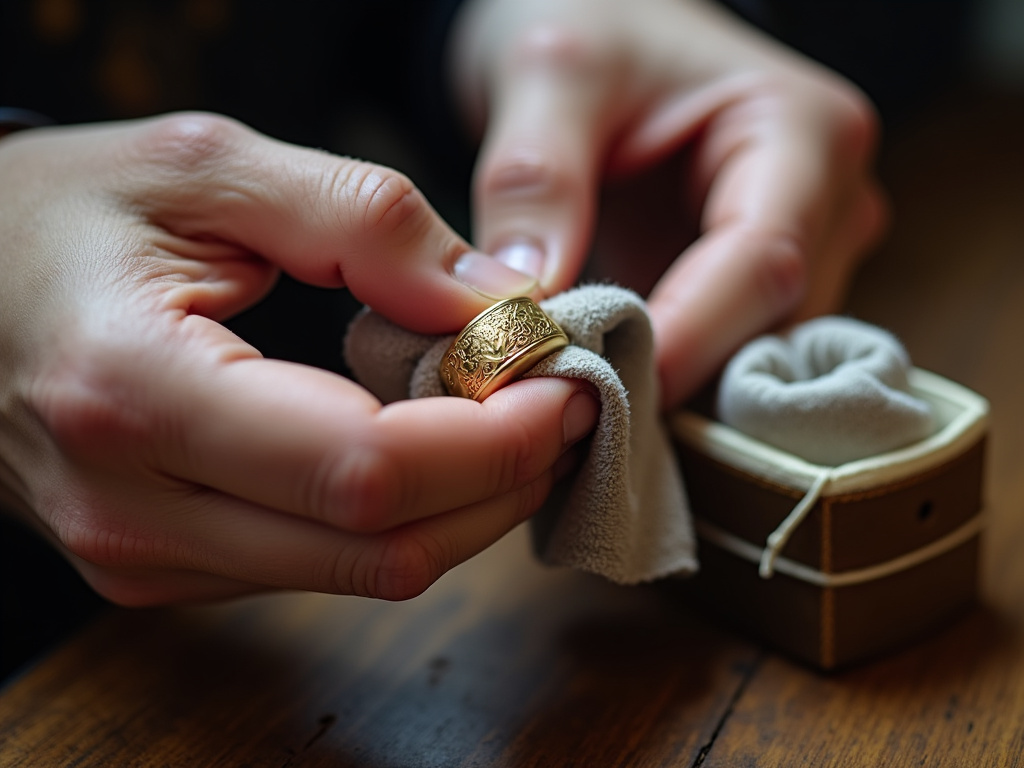
A signet ring is a permanent piece. Its care is straightforward but non-negotiable.
- Cleaning: For metal bezels, use a soft, lint-free cloth. For gold and platinum, a mild soap and warm water solution with a soft toothbrush works. For stones, research the specific stone’s tolerance. General jewelry cleaning for a carnelian ring means avoiding all chemical cleaners and ultrasonic machines.
- Polishing: Sterling silver will need periodic polishing to maintain shine, or you can embrace the tarnish. Gold and platinum develop a patina; polishing restores a high shine but removes the history etched in those fine scratches.
- Storage: Always store it separately in a soft pouch or a compartmentalized box. This prevents the engraved surface from being scratched by other pieces. This is a key part of preventing jewelry tarnish for silver pieces.
- Professional Check-Up: Once a year, have a jeweler check the band for wear, especially if it’s a thinner design. For very valuable pieces, this should be part of a routine jewelry appraisal schedule to update insurance values.
Different metals have different needs. If you select gold, our guide on caring for gold jewelry dives deeper into the specifics. For those concerned about maintenance, choosing a tarnish-resistant jewelry metal like platinum or certain gold alloys simplifies care considerably.
Before You Commit: The Final Checklist
Walk through this list with your jeweler or before you click “order” online.
- [ ] Fit: You have measured your finger size at the end of the day and accounted for knuckle size.
- [ ] Metal & Purity: You have chosen a metal and confirmed the required hallmark (“750,” “925,” etc.) will be present.
- [ ] Bezel Shape: You have selected a shape that is proportionate to your finger width.
- [ ] Stone Care: If using a stone, you understand its hardness and chemical sensitivities (e.g., carnelian).
- [ ] Engraving Direction: You have specified “for sight” (normal) or “reverse” for sealing and provided the correct artwork.
- [ ] Placement: You have tried a ring of similar bulk on your intended finger and found it comfortable for daily tasks.
- [ ] Aftercare: You know the cleaning regimen for your chosen metal and stone.
For an heirloom-quality piece, consider a professional ring appraisal immediately after purchase. This document is essential for insuring valuable rings. Standard renters insurance coverage often has low limits for jewelry, so a separate scheduled item may be needed.
Frequently Asked Questions
Can I wear a signet ring if my family doesn’t have a crest?
Absolutely. Historically, crests denoted specific lineage, but modern signet rings are personal. Use monograms, initials, or a symbol meaningful to you. The tradition starts somewhere.
What does the “750” stamp mean inside a ring?
The “750” stamp is a hallmark indicating the metal is 75.0% pure gold, also known as 18 karat gold. It is your guarantee of gold content, applied by an independent assay office.
Should the engraving be raised or recessed?
Traditional sealing requires a recessed (intaglio) engraving so the wax fills the grooves and the design stands raised on the seal. For purely decorative rings, the engraving can be recessed or the metal around it can be carved away (relief) to leave a raised design.
How do I clean an engraved signet ring?
Use a soft-bristled toothbrush (not used for teeth) dipped in a solution of warm water and a drop of mild dish soap. Gently brush the engraved surface to remove dirt from the crevices. Rinse thoroughly and dry with a soft cloth. Avoid this method for porous stones like carnelian.
The Bottom Line
Choosing a signet ring is a layered process. Start with the unglamorous basics: a precise fit and verified metal stamps. These are non-negotiable. Then, build upward, select a bezel shape that suits your hand, decide on metal for its feel and maintenance, and finally, pour meaning into the engraving, ensuring it’s oriented for its purpose.
The ring should feel like a part of you, not an ornament. It will accumulate marks from your life. That’s the point. A perfect, unscratched signet ring in a box tells no story. The one on your hand, with its slight wear and personal seal, does.
