
How to Wear a Brooch on a Scarf: A Stylist’s Guide
To wear a brooch on a scarf, you must first match its physical weight to the scarf’s fabric strength. Secure it through at least two layers of material using a reliable clasp, and choose a placement that enhances the drape, not fights it. This is practical jewelry styling, not just decoration.
Most of us choose a brooch because it sparkles. We forget it has mass. My grandmother’s 1950s Coro ‘Duette’, a gorgeous, layered rhinestone piece, taught me that lesson. I pinned it to a vintage Hermès silk twill scarf for an event. It looked magnificent for ten minutes. Then, the slow, inevitable drag began. By evening, the delicate silk had a tiny, permanent pull right at the pin site. The brooch was fine; the scarf was not.
That moment shifted my focus from aesthetics to engineering. Let’s talk about heft, hinge mechanics, and how to make sure your favorite pieces stay put.
Key Takeaways
- Your palm is the best scale. A brooch that feels substantial belongs on dense wool or cashmere, not silk.
- Vintage clutch-back clasps are notoriously unreliable. The internal spring weakens with age, often failing without warning.
- Pin placement dictates the outfit’s formality. Center-front anchors, shoulder placement energizes.
- You can absolutely wear a brooch with a summer scarf; the limit is fabric weight, not the calendar.
- Always inspect vintage pieces for loose stones and gritty clasps before they touch your favorite fabrics.
The security of a brooch on a scarf is determined by three factors: the downward force exerted by the brooch’s mass, the shear strength of the scarf’s textile fibers, and the mechanical integrity of the pin’s fastening mechanism. A mismatch in any variable risks damage or loss.
Is Your Brooch Too Heavy for That Scarf?
This is where almost every mistake starts. We see a color match and pin it, ignoring the physics. A heavy brooch exerts constant downward pull. Delicate fabrics like silk charmeuse, viscose, or fine cotton lawn cannot counter that force. The fibers stretch, the weave distorts, and the pin will eventually create a visible pull or hole.
Common mistake: Pinning a substantial Art Deco rhinestone brooch to a lightweight silk scarf, the pin will distort the drape within an hour and can tear the fibers by day’s end.
Conversely, a tiny, delicate brooch disappears on a thick, textured scarf like a cable-knit wool or a dense tweed. It provides no visual anchor and fails to secure the fabric.
Do the hand test first. Let the brooch sit in your palm. If it feels like it has real presence, it’s a candidate for a Johnstons of Elgin cashmere wrap or a thick wool blanket scarf. If it feels light and airy, it belongs with your Echo silk squares or linen blends.
| Brooch Weight & Style | Ideal Scarf Fabric | What Happens If You Mis-Match |
|---|---|---|
| Heavy (e.g., vintage Coro ‘Duette’, large enamel) | Dense wool, tweed, thick cashmere, folded pashmina | Pulls holes, permanently distorts drape on delicate fabrics. |
| Medium (e.g., standard bar pin, mid-size stone) | Cotton, linen, light wool, medium-weight silk | May slip on slick silk; gets visually lost on very thick knits. |
| Lightweight (e.g., delicate filigree, small pearl cluster) | Silk, chiffon, viscose, lace, fine cotton | Fails to secure heavier fabrics; scarf will swallow the brooch. |
TL;DR: Judge weight by feel, not look. Heavy brooches demand thick fabrics; lightweight brooches need delicate ones.
How Does Your Brooch Clasp Work? (And When Will It Quit?)
The back of the brooch is where your trust is either earned or betrayed. Not all closures are created equal, especially when subjected to the movement of a scarf.
- Stick Pins: A single, sharp pin. They rely entirely on friction and work best on tightly woven wools. Always use a safety clutch (a small rubber or metal piece) on the sharp end, particularly with slick silks where they can slide out.
- Bar Pins (Pin-and-Clasp): The most common type. A hinged pin locks into a C-shaped catch. Security depends on the tightness of that grip. A modern bar pin from a brand like Tiffany & Co. often has a secondary safety latch, a tiny, audible click that vintage backs lack. I prefer this mechanism for daily wear.
- Clutch-Back Pins: The problematic darling of vintage jewelry. A cylindrical clutch snaps onto the pin tip, held by a small internal spring. This spring weakens over decades.
My failure story involves a 1940s Trifari ‘Jelly Bell’ brooch. The faux-ruby center was loose, but the clutch back felt snug. I wore it on a wool coat lapel for weeks. One day, between my car and the front door, it vanished. The clutch had popped open from a slight tug, the pin snagged, and it pried the stone setting open. Now, I test every vintage clutch back a dozen times on a folded piece of felt. If it feels anything less than positive, it goes into the box until I can have it converted. This kind of pre-wear inspection is as crucial as your routine jewelry maintenance.
Where Should You Place the Brooch?
Placement isn’t random; it directs the eye and sets the tone. Here are four classic approaches, each with a different effect.
The Center Front. This is the most formal, anchored look. It works with symmetrical drapes, like a simple loop or cowl, making the brooch a clear focal point. It’s a classic technique often seen in vintage photos where a gleaming piece is displayed, the kind you’d want to keep bright with a reliable tarnish removal guide.
The Shoulder. Dynamic and casual. Drape the scarf so one end is longer and pin it near the shoulder seam of your top. This keeps the scarf in place while allowing the ends to flow, perfect for a pashmina.
On a Side Knot. Pin the brooch directly onto a loose knot at the side of your neck. This reinforces the knot, adds sparkle, and creates a gathered, textured effect. It’s a brilliant fix for a slippery silk scarf that won’t stay tied.
The Asymmetric Drape. For long scarves, drape it with one end much longer. Pin the brooch about halfway down the shorter side, holding two layers together. This creates an interesting, modern line and stops the scarf from shifting.
Expert Tip: Before you pin, let the draped scarf settle on your shoulders for a minute. Move your arms. The right placement spot will feel natural and stay put during motion, not fight you.
What’s the Right Way to Pin It Securely?
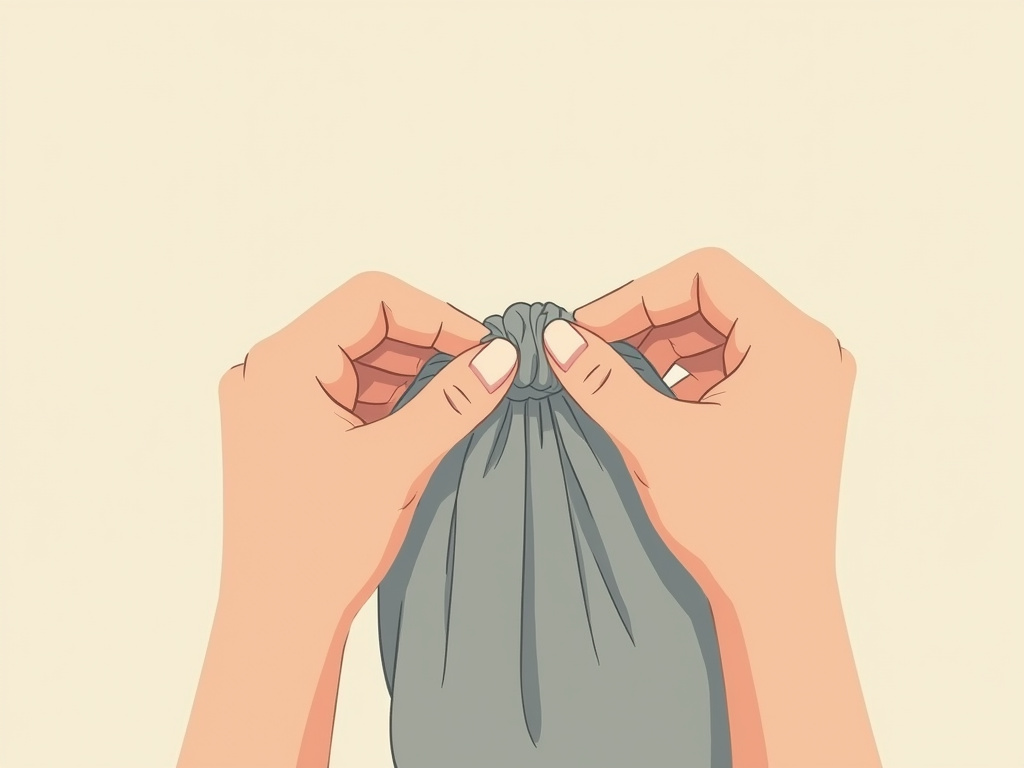
Pinning is a physical act. Follow these steps to ensure the brooch is stable and the fabric is protected.
- Create a Stable Anchor. Never pin through a single layer. Gather a small, neat fold of fabric. If your scarf is very thin (like chiffon), don’t just double it, create a tight, tiny roll. The roll creates internal friction that a flat double-layer lacks.
- Open the Clasp Fully. If you don’t, you’ll fumble and likely jab the pin, risking a snag. For stubborn, thick wool, I keep a cheap leather thimble in my jewelry box to push the pin through without hurting my finger.
- Guide the Pin Through Smoothly. Push the pin through the gathered fold in one smooth motion. Don’t force or jab.
- Fasten and Test. Close the clasp securely. Give the scarf a gentle tug around the brooch. Does it feel stable? Does the drape still look intentional? A final adjustment makes it look “perfectly placed” instead of “tacked on.”
Common mistake: Pinning through a single, flat layer of a silk scarf, the brooch will pivot, twist, and strain the pin catch, often leading to failure within hours.
This careful handling is a key part of preventing brooch damage during wear, just as important as how you store it later.
Can You Wear a Brooch with a Summer Scarf?
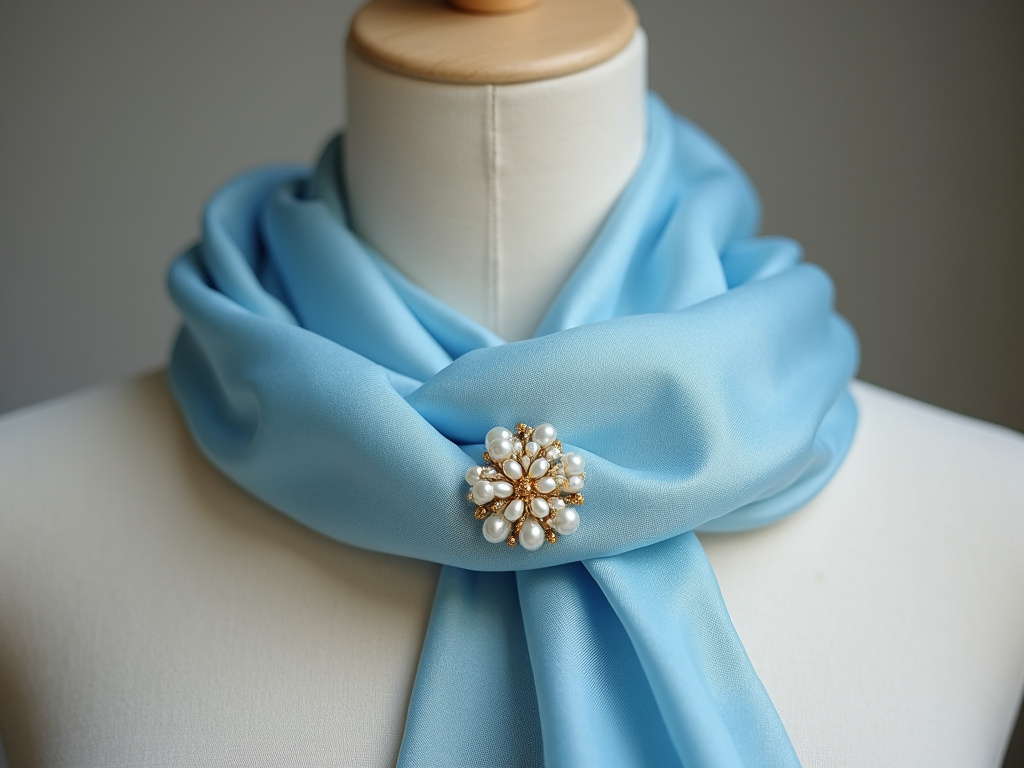
Absolutely. The barrier is fabric weight, not the season. A traditional winter pashmina is fine cashmere or wool. A summer version is often silk, linen, or a cotton blend.
For warm weather, choose a small to medium-sized brooch with a light setting. A simple gold disc, a small cluster of freshwater pearls, or a delicate floral piece works. Avoid large resin or heavy statement stones. The goal is a breezy accent, not an anchor.
As StyleWhirl notes, a large brooch can overwhelm a delicate scarf, while a small one may get lost on a large scarf. Pair a lightweight linen-blend pashmina with a delicate brooch over a sundress, or a silk one in the evening. This thoughtful pairing is a cornerstone of long-term jewelry care.
How Do You Handle Vintage and Delicate Pieces?
Vintage jewelry requires a gentler, more observant touch. The metals can be softer, settings less secure, and pin mechanisms fragile.
Inspect Under Bright Light. Check that stones are tight, prongs aren’t bent, and the pin hinge moves without grit. If anything is loose, don’t wear it. This inspection is a critical first step in vintage brooch care.
Match to Smooth Fabrics. Rough-textured scarves like tweed can microscratch soft gold or polished silver. For your finest antique pieces, choose a smooth silk or fine merino wool. This protects the metal, just as using tarnish-resistant metals can simplify care.
Consider a Conversion. If a vintage brooch has a broken clasp but a beautiful face, a jeweler can often convert it to a pendant or add a secure modern bar pin. This lets you enjoy the piece without fear.
| Issue to Look For | Likely Cause | Immediate Action |
|---|---|---|
| Gritty, stiff pin movement | Built-up grime or oxidized lubricant | Professional cleaning before wear. |
| Loose stone in setting | Worn or bent prongs | Do not wear; see a jeweler for repair. |
| Clutch back feels loose | Weakened internal spring | Retire from clothing; convert clasp. |
| Skin leaves green mark | Base metal reacting with moisture | Consider a protective clear nail polish coat on the back, or explore hypoallergenic jewelry benefits. |
Frequently Asked Questions
Will a brooch damage my scarf?
It can, if the pairing is wrong. A heavy brooch on a delicate fabric is the main culprit, causing pulls, distortions, or holes. Always follow the weight-to-fabric rule and pin through multiple layers to distribute stress.
What if my brooch keeps flipping upside down?
This usually means the pin is too loose in its hinge or you’ve pinned through a single, unstable layer of fabric. Ensure you’re pinching a firm fold of at least two layers. If the hinge itself is wobbly, a jeweler can often tighten it.
Can I wear a brooch on a knit or infinity scarf?
Yes. For knits, choose a brooch with a longer pin to navigate the gaps without catching. For infinity scarves, the center front or a shoulder placement (pinning the loop to your top) works well to prevent twisting.
How do I clean a brooch after wearing it on a scarf?
First, remove any lint or fibers caught on the pin. For general metals, wipe with a soft, dry polishing cloth. For specific materials, follow dedicated guides for cleaning costume brooches or gemstone brooch care. Never submerge a pinned brooch unless you’re certain the setting is watertight.
Is a stick pin or a bar pin better?
For security on a moving scarf, a modern bar pin with a tight clasp is generally more reliable. Stick pins require a safety clutch and suit more stable, tightly woven fabrics better.
Before You Go
Wearing a brooch on a scarf transforms both pieces. It’s a partnership. Start with the practical: judge the weight, trust your clasp, and build a secure anchor with the fabric. The style, the perfect placement, the seasonal twist, comes after that foundation is solid.
When you get it right, the brooch doesn’t just sit on the scarf. It belongs there, enhancing your frame without a second thought. That’s the quiet confidence of knowing the rules, so you can break them beautifully when you choose. Now, go open your jewelry box and see your scarves with new eyes.
