
The Truth About Gold Plated Jewelry: Is It Good Quality?
Gold plated jewelry can be a good, affordable option if you understand its specific construction, quality tiers, and realistic limitations. It is a base metal coated with a thin layer of real gold, typically 0.5 to 2.5 microns thick, as defined by the FTC. Its quality and lifespan range wildly, from pieces that tarnish within weeks to high-quality vermeil that lasts for years with proper care.
The mistake is buying it blindly. People see “gold” and expect solid gold performance, then get disappointed when a ring turns their finger green after a few months. The disappointment isn’t about the jewelry failing; it’s about a mismatch between expectation and the physical reality of a microns-thin coating.
This guide breaks down the official standards, the hidden engineering that makes plating fail, and the specific care that separates a two-year necklace from a two-month one.
Key Takeaways
- The FTC defines “gold electroplate” as a layer of at least 10K gold that is at least 0.175 microns thick, most cheap jewelry meets only this bare minimum.
- Gold filled and vermeil are legally distinct, higher-quality categories with mechanically bonded or thicker gold layers (vermeil requires 2.5+ microns over sterling silver).
- The base metal dictates tarnish speed. Brass or copper under thin plating oxidizes quickly when exposed; sterling silver under vermeil tarnishes more slowly and evenly.
- Lifespan is a sliding scale: generic plating lasts weeks to months, quality plating with care lasts 1–3 years, and gold filled/vermeil can last decades.
- Never clean gold plated jewelry with harsh chemicals, ultrasonic cleaners, or abrasive cloths. Use only a soft, dry cloth for cleaning gold plated jewelry.
What is Gold Plated Jewelry, Really? (The FTC Definition)
Forget the vague marketing. The U.S. Federal Trade Commission has specific rules for what can be called gold plated, and it’s a much lower bar than most assume.
The FTC standard for “gold electroplate” requires a layer of at least 10 karat gold that is at least 0.175 microns thick applied via an electrolytic process. If the gold layer is less than 1/20 of the item’s total metal weight, the marking must state the fraction, like “1/40 14K gold overlay.”
That 0.175 microns is about 1/500th the thickness of a human hair. It’s the legal minimum. Most fast-fashion and inexpensive gold plated jewelry hovers right around this threshold. This is the core of the “is it good?” debate. It’s real gold, but in such a minuscule amount that it offers almost no durability on its own.
The underlying base metal is the real star of the show. Common bases are brass, copper, or nickel silver. Gold is chemically inert and doesn’t tarnish. The green finger, the black chain, the reddish patches, that’s the base metal oxidizing after the microscopic gold layer wears through from friction, sweat, or chemicals.
TL;DR: Legally, “gold plated” means a whisper-thin layer of real gold over a cheaper metal. Its performance depends almost entirely on the base metal’s quality and the plating’s thickness.
Gold Filled vs. Gold Plated: A Mechanical Bond Makes All the Difference
This is where quality separates from commodity. Gold filled isn’t just thick plating; it’s a different manufacturing process.
A gold filled item has a layer of karat gold, usually 10K, 12K, or 14K, that is mechanically bonded to a base metal core under heat and pressure. The gold layer must constitute at least 1/20th (5%) of the item’s total weight. This creates a durable, wear-resistant surface that behaves like solid gold for decades. It’s why vintage gold filled jewelry from the 1940s often still looks pristine.
Gold plating is an electrochemical bath. The item is submerged, and gold particles are deposited onto its surface. The bond is weaker, and the thickness is a fraction of gold filled.
| Aspect | Gold Filled | Gold Plated |
|---|---|---|
| Gold Layer | Thick, mechanically bonded sheet | Thin, electrochemically deposited layer |
| Minimum Gold | 1/20th of total weight (5%) | 0.175 microns thickness (FTC minimum) |
| Durability | Excellent; lasts decades with proper care | Variable; weeks to a few years |
| Marking | “14K GF”, “1/20 12K GF” | “GP”, “GEP”, “HGE” or often no marking |
| Best For | Everyday wear, heirloom-quality pieces | Occasional wear, trend-focused fashion |
The price reflects this. A gold filled bracelet costs significantly more than a gold plated one. You’re paying for grams of gold, not milligrams.
The 5 Factors That Decide ‘Good’ vs. ‘Bad’
Not all gold plating is created equal. Five specific, tangible factors determine whether your piece will be a wardrobe staple or a disappointment.
1. Plating Thickness (Measured in Microns)
This is the single most important spec, and reputable sellers will provide it. Remember the FTC minimum is 0.175µ.
* 0.5 – 1.5µ: Standard commercial plating. Expect 6–18 months of careful, occasional wear before noticeable wear-through.
* 2.5 – 5µ: Heavy plating or vermeil territory. This can deliver 2–5 years of regular wear. The FTC standard for vermeil is a minimum of 2.5 microns over sterling silver.
* 5µ+: Luxury plating. This approaches the durability of gold filled for items like rings and bracelets.
Common mistake: Assuming a higher karat (like 18K) plating is more durable. An 18K gold plating is softer than 14K because it’s 75% pure gold. A thicker 14K or 10K layer will often outlast a thin, softer 18K one.
2. Base Metal Quality
The metal underneath is the foundation. A soft, porous, or reactive base will ruin even decent plating.
* Brass/Copper: Common, inexpensive. They oxidize (tarnish) quickly when exposed, leading to green skin stains.
* Stainless Steel: Excellent. Hard, non-porous, and hypoallergenic. Plating adheres well and lasts longer.
* Sterling Silver (925): The base for vermeil. It tarnishes slowly and evenly, and when the gold eventually wears, you’re left with tarnished silver, not corroded brass.
If the piece feels flimsy or unusually light, the base metal is likely poor quality. It will bend, and the brittle gold layer will crack and flake off.
3. The Plating Process & “Strike” Layer
This is the hidden engineering most articles miss. A quality plating job uses a “strike” layer.
As noted in the Assay Office London document, if the electrical potential difference between the gold top coat and the base metal is too high, the gold won’t adhere firmly. Platers use a thin initial layer of low-karat gold (like 24K) to create a compatible bond before applying the final karat gold layer. Skipping this step is a cost-cutting measure that leads to premature peeling and porosity, which can cause tarnishing of gold plated jewelry and even allergic reactions from released metal ions.
You can’t see this, but you can infer it from a seller’s transparency. Brands that discuss their multi-step plating process are signaling higher quality.
4. Item Design & Wear Points
Some pieces are doomed by design.
* Rings and Bracelets: High friction areas. Expect plating on the inside of a ring band or bracelet clasp to wear through first, often within a year of daily wear.
* Pendants and Earrings: Lower friction. These can retain their plating for many years with standard gold jewelry care.
* Intricate Textures: Rough or hammered textures can have uneven plating thickness, creating weak spots.
5. Your Care & Chemical Environment
Your habits are the final variable. The three biggest killers are sweat, chlorine, and cosmetics.
* Sweat: The salts and acidity corrode the base metal through microscopic pores in the plating. Always wipe pieces with a soft cloth after wearing.
* Chlorine (Pools/Hot Tubs): It reacts with the base metal and can literally dissolve the gold layer. Remove all plated jewelry before swimming.
* Perfumes, Lotions, Hairspray: These contain alcohols and chemicals that break down the plating over time. The rule is jewelry on last, off first.
How Long Does Gold Plated Jewelry Actually Last?
Let’s replace “it depends” with real timelines based on the factors above. These are estimates for wear 2-3 times per week.
| Quality Tier | Realistic Lifespan (With Care) | Failure Mode & Timeline |
|---|---|---|
| Generic / Fast-Fashion | 2 weeks – 6 months | Base metal tarnish appears at friction points within 2-4 weeks. Plating wears through to green/black discoloration by month 3-6. |
| Standard Commercial | 6 months – 2 years | Maintains shine for 6-12 months with careful wear. Noticeable wear on high-contact areas by year 1.5. |
| Heavy Plating / Vermeil | 2 – 5+ years | Retains full appearance for 2+ years. Gradual, even wear on edges after year 3. Can be replated. |
| Gold Filled | 10 – 30+ years | Wears like solid gold. May show slight brassing on extreme edges after a decade or more of daily wear. |
My own experience mirrors this scale. A trendy, thin gold plated necklace from a large retailer turned the back of my neck black within three weeks of summer wear. The plating was gone. Conversely, a 3-micron vermeil pendant I bought five years ago still looks impeccable because its sterling silver base and I follow strict anti-tarnish storage tips.
The lifespan question is why understanding gold filled properties is crucial for buyers seeking longevity. Gold filled is in a different durability league.
When is Gold Plated Jewelry a Good Choice?

Given its limitations, gold plating has a clear place in a thoughtful jewelry collection.
- For Testing a Style or Trend. Not sure if you’ll love chunky hoops in six months? A gold plated pair lets you experiment without a solid gold investment.
- For Special Occasion & Evening Wear. A piece worn a handful of times a year, kept away from sweat and chemicals, can look flawless for many seasons.
- When Budget is the Primary Constraint. It offers the gold aesthetic at an accessible price point. The key is to buy from transparent sellers and have realistic expectations.
- For Vermeil Specifically. Vermeil is the sweet spot. You get a substantial gold layer (2.5µ+) over a valuable, tarnish-resistant sterling silver base. It’s far more durable than standard plating and is often hypoallergenic. This is my personal recommendation for someone who wants the look of gold for daily wear without the solid gold price.
I reserve my solid gold for core, forever pieces. My jewelry box has a tiered system: gold filled and vermeil for frequent rotation, and gold plated for seasonal color or statement pieces I’ll wear a dozen times.
How to Shop for Quality Gold Plated Jewelry
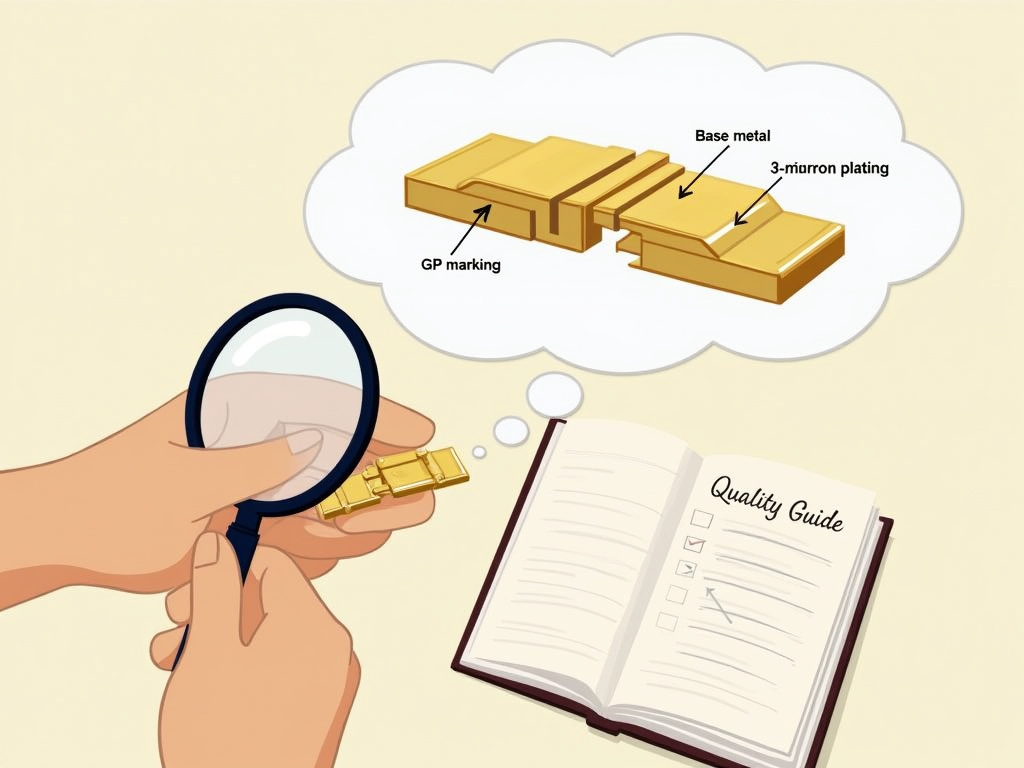
Don’t just click “add to cart.” Be a detective.
- Read the Product Description. Look for micron thickness (e.g., “3-micron plating”), base metal specification (“over stainless steel,” “over 925 sterling silver vermeil”), and process details (“multi-step electroplating”).
- Decode the Markings.
- GP or GEP: Gold Plated or Gold Electroplated.
- HGE: Heavy Gold Electroplate (still thin, just marketing).
- GF or 1/20 14K GF: Gold Filled (a good sign).
- 925 & Vermeil: Sterling silver base with thick gold plating.
- Examine the Piece. If you can see it in person or in high-res photos, check edges, clasps, and any textured areas for color consistency. Look for a rich, even color, not a brassy or washed-out yellow.
- Consider the Seller’s Reputation. Artisan jewelers and specialized brands often provide better plating than mass-market fast-fashion retailers. Read about their craft.
- Review the Care Instructions. A seller who provides detailed jewelry cleaning best practices and warns against chemicals is more likely to sell a quality product they stand behind.
This investigative approach is similar to the diligence required when reviewing any official FTC jewelry standards before a purchase. It separates informed buying from hopeful guessing.
Frequently Asked Questions
Does gold plated jewelry tarnish?
Yes, but the gold itself does not. Tarnish is the oxidation of the exposed base metal (like copper or brass) once the thin gold layer wears away or is penetrated by chemicals. The process accelerates with exposure to sweat, humidity, and household chemicals. You can slow it significantly with proper tarnish prevention methods.
Can you shower with gold plated jewelry?
No. Consistent exposure to water, soaps, and shampoos will degrade the plating very quickly. The hot water opens microscopic pores in the metal, allowing soap residues to seep in and corrode the base layer from underneath. Remove it before showering, swimming, or washing hands.
Is gold plated jewelry hypoallergenic?
It can be, but it’s not guaranteed. If the plating is thick, non-porous, and over a hypoallergenic base like stainless steel or sterling silver, it’s usually safe. However, cheap plating over nickel-containing alloys is a common cause of allergic reactions. If you have sensitive skin, look for vermeil or gold filled over sterling silver, or solid surgical stainless steel.
Can gold plated jewelry be repaired or replated?
Yes, a skilled jeweler can replate a piece, but the cost often approaches or exceeds the original price of inexpensive fashion jewelry. It’s economically sensible only for higher-quality pieces with sentimental value or a valuable base (like a sterling silver vermeil item). For restoring tarnished pieces that have worn through to the base metal, replating is the only option to restore the gold color.
What’s the difference between gold plated and gold dipped?
These terms are often used interchangeably in marketing, but “gold dipped” is less formal and can imply an even thinner, less durable coating. There is no legal standard for “dipped.” For clarity, always look for the specific markings (GP, GF, 925) and disclosed micron thickness. The care for both is identical, and both face similar issues with gold dipped jewelry tarnish.
The Bottom Line
Gold plated jewelry is good for what it is: an affordable way to wear the color of gold. It is not good as a substitute for solid gold’s permanence. Your satisfaction hinges entirely on matching the piece’s quality to your expectations and habits.
Buy thin plating for occasional wear with the understanding it’s temporary. Invest in vermeil or gold filled for pieces you want to last for years. Always protect it from chemicals, moisture, and friction. Store it properly in a dry place, using proper jewelry storage to prevent scratches and tarnish.
When you know the rules, the FTC’s minimums, the importance of the base metal, the reality of microns, you can shop smartly. You’ll spot the pieces worth your money and avoid the ones destined to disappoint. That knowledge turns a risky purchase into a confident one.
