
What Does a Ring on a Necklace Mean? The Hidden Symbolism
This post contains affiliate links. As an Amazon Associate, we earn from qualifying purchases.
A ring worn on a necklace can symbolize a secret, a memory, or a practical solution. It means the wearer is keeping something, or someone, close to their heart, often for reasons that go deeper than simple fashion. The universal mistake is assuming it’s always about romance. Sometimes it’s about loss, concealment, or a finger that won’t cooperate. This guide unpacks the layered symbolism, the very real safety considerations, and the stories this simple act tells.
Key Takeaways
- The most common meaning is remembrance, often for a loved one who has passed or a relationship that has ended.
- Safety is non-negotiable: A chain must be at least 1.5mm thick to hold a typical ring; under 5-10 grams is the safe weight limit for standard chains.
- Beyond sentiment, practical reasons dominate: secret engagements, finger swelling from pregnancy or arthritis, and keeping a child’s future ring safe.
- In fiction, the “Ring on a Necklace” trope signals hidden power, a cursed object kept at bay, or a concealed commitment.
- The necklace itself needs care; a tarnished silver necklace or dull gold chain distracts from the ring’s significance.
What Does a Ring on a Necklace Symbolize?
The symbolism is a language of proximity. By placing a ring over the heart, the wearer makes a silent, powerful statement. It’s rarely arbitrary.
The dominant meaning is remembrance. This is the act of keeping a physical token of a person or a moment literally close to your heart. It could be a wedding band after a spouse passes, an engagement ring after a breakup, or a birth ring from a parent. Wearing it on the hand might feel wrong or invite uncomfortable questions. On the neck, it becomes a private memorial. The ring is with you, but the world doesn’t need the backstory.
Wearing a deceased loved one’s ring on a necklace transforms the jewelry from a finger ornament into a portable shrine. It allows for continuous connection while avoiding the daily explanations that wearing it on the hand might require, especially if the ring was sized for someone else.
Commitment is another layer, but with a twist. It can represent a promise kept close but not yet ready for the world, think of a soldier overseas wearing their partner’s ring. More dramatically, it’s the classic marker of a secret engagement or marriage. In historical contexts or fiction, characters will hide the ring on a chain under their clothes to avoid scandal or danger. The necklace becomes the secret keeper.
TL;DR: The core symbolism orbits remembrance and hidden commitment, turning the necklace into a private, portable shrine or a secret vault for a promise.
The Practical Reasons People Do It

Symbolism is powerful, but often the neck gets the job because the fingers simply cannot. The practical reasons are frequent and deeply human.
Fit and Comfort. Fingers change. Pregnancy, arthritis, temperature fluctuations, or simple weight gain can make a beloved ring impossible to wear. Forcing it risks injury or damaging the ring. Slipping it onto a chain is a respectful compromise. The ring stays with the owner, waiting for a day when it might fit again. Similarly, a child given a family heirloom might wear it on a necklace until their fingers grow into it.
Safety and Security. Some environments are hostile to fine jewelry. Nurses, mechanics, gardeners, or anyone working with their hands knows a ring can catch, scratch, or become contaminated. A necklace tucks it away safely. It’s also a deterrent to theft; a ring hidden under a collar is less of a target than one gleaming on a finger. For valuable pieces like a diamond ring or moissanite ring, this is a smart protective measure.
Preservation. Constant wear on the hand subjects a ring to bumps, chemicals, and gradual wear. A sterling silver Pandora ring with intricate charms can snag. Delicate antique bands can thin and crack. Giving it a rest on a necklace extends its life dramatically. It’s a key part of a long-term jewelry care routine.
| Practical Reason | Who It’s For | The Alternative Risk |
|---|---|---|
| Poor Fit (Swelling/Size) | Pregnant individuals, arthritis sufferers, children | Ring cuts off circulation, damages skin, or is lost because it’s too loose. |
| Physical Safety | Healthcare workers, mechanics, athletes | Ring avulsion (finger degloving), damage to the ring, contamination. |
| Theft Prevention | Travelers, daily commuters | Obvious, valuable jewelry on the hand is a prime target for theft. |
| Ring Preservation | Owners of delicate antiques or soft metals like gold | Accelerated wear, stone loss, irreversible damage to the band. |
Safety First: How to Wear a Ring on a Necklace Securely
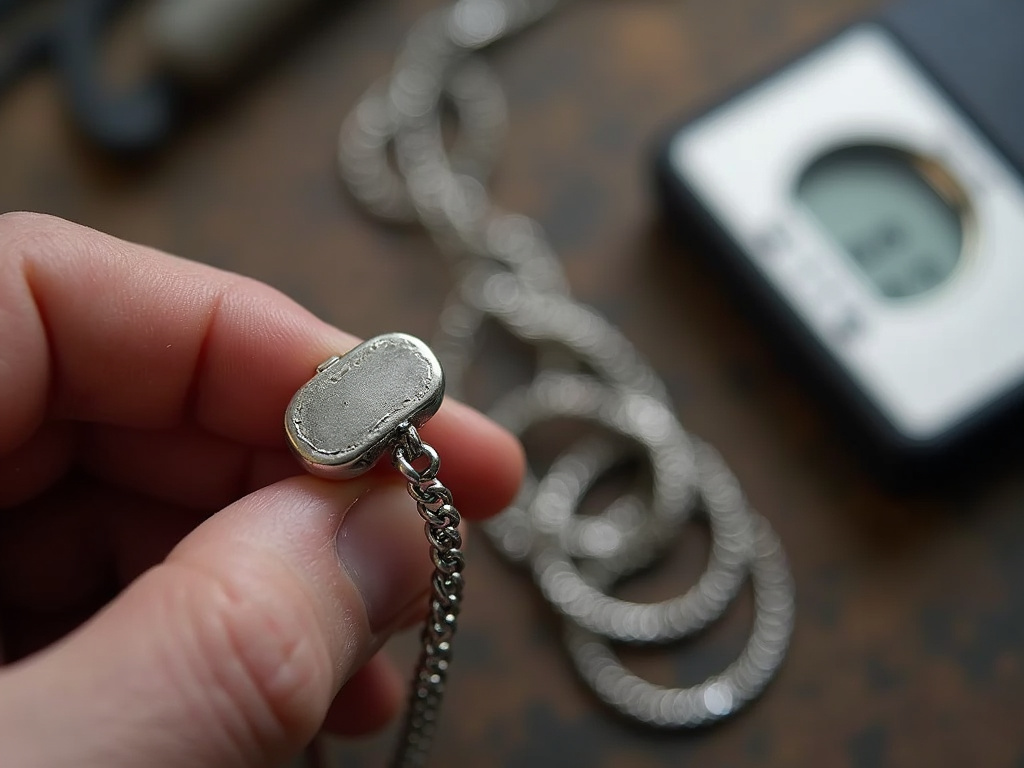
This isn’t just about aesthetics. A fallen ring is often a lost ring. The two points of failure are the chain and the clasp.
Chain Strength is Everything. The thickness of the chain determines what it can hold. A flimsy, sub-1mm chain might look delicate with a simple band, but it will snap. For a typical ring weighing 5-10 grams, a chain should be at least 1.5mm thick. Heavier rings, signet rings, or statement pieces need a chain of 3mm or more. The goal is to distribute weight and resist the constant, slight tugging that happens with movement.
The Clasp is the Weak Link. A fragile lobster clasp or a tired spring ring will give way. Upgrade to a secure bolt clasp or a box clasp for peace of mind. Check it every time you put the necklace on. This is as important for a stainless steel necklace as it is for a precious metal one.
Common mistake: Using a chain shorter than 20 inches for an active lifestyle, the ring will pendulum and smack into tables, keyboards, and countertops, damaging both the ring and the surface. A shorter length keeps it controlled.
Attachment Method. Simply threading the chain through the ring works, but it causes metal-on-metal wear over years, thinning the band. A better solution is a ring holder pendant. This is a small frame or bail that the ring snaps into, holding it securely and preventing friction. It also positions the ring prettily.
- Weigh the ring. Use a kitchen scale. This tells you immediately if your favorite chain is up to the task.
- Inspect the chain link by link. Look for weak spots, stretches, or openings.
- Test the clasp. Give it a firm, gentle tug. If it pops open, retire it.
- Consider the length. 18-24 inches is standard. Shorter reduces swing, longer makes it more of a statement.
TL;DR: Match chain thickness to ring weight (1.5mm minimum), secure the clasp, and use a holder pendant to prevent wear. The ring’s safety depends on these mechanics.
The Ring on a Necklace in Stories and Culture
Life imitates art, and this motif is a storyteller’s favorite. The TV Tropes Ring on a Necklace entry catalogs its narrative power. In fiction, a ring on a chain is never just jewelry.
It is a secret made visible only to the audience. A character hiding an engagement ring on a necklace signals a forbidden love. It builds tension, when will it be revealed? It’s also a classic symbol of mourning in period dramas, a widow wearing her husband’s band close.
Fantasy and sci-fi take it further. Here, the ring often holds power. Wearing it on the finger might activate its magic or curse. The necklace becomes a way to keep the object close but inert. Think of a magical seal that must be carried but not worn, or a cursed family heirloom that must not touch the skin. The chain is a barrier.
In fantasy, the necklace chain acts as an insulator. It allows the hero to carry the plot-critical MacGuffin without being corrupted by its power until the destined moment arrives. The visual is immediate and clear to the viewer.
This trope teaches us that in our own lives, wearing a ring this way can feel cinematic. It assigns a weight of narrative to a personal object. You’re not just wearing a ring; you’re carrying a story of love, loss, or latent power. This cultural layer adds depth to the personal choice, connecting it to centuries of storytelling.
Choosing the Right Necklace for Your Ring
The necklace is the setting for the jewel. A mismatched chain undermines the whole effect. The choice hinges on metal, style, and function.
Metal Matters. The necklace should complement the ring, not fight it. A yellow gold ring sings on a yellow gold chain. Mixing metals can work as a deliberate fashion choice, but for a sentimental piece, harmony often feels right. Remember, different metals have different care needs. A copper necklace will develop a patina that may or may not suit the ring’s aesthetic.
Style and Weight. A delicate, filigree ring drowns on a thick, heavy chain. A bold, chunky signet ring looks absurd on a wispy thread. Match the chain’s visual weight to the ring’s presence.
– Cable Chain: Durable, classic, and strong. A workhorse choice for everyday wear.
– Figaro Chain: Heavier and more decorative. Good for men’s rings or substantial women’s bands.
– Rope Chain: Luxurious and flexible. Excellent for showing off a diamond or a ring with detailed engraving.
The Functional Consideration. How will you wear it? For 24/7 wear, including sleep, a comfortable, smooth chain like a cable or rope is best. For occasional, special wear, you can opt for something more delicate or ornate. Always pair it with proper jewelry storage when it’s not on your neck to prevent tangles and damage.
| Ring Type | Recommended Chain Style | Why It Works |
|---|---|---|
| Delicate Band (2mm) | Light Cable or Singapore Chain | Matches the fine scale; doesn’t overwhelm. |
| Standard Solitaire | Medium Rope or Figaro Chain | Strong enough to hold the weight; style complements the stone. |
| Men’s Wedding Band | Heavy Cable or Curb Chain | Masculine, proportional look; maximum durability. |
| Vintage/Intricate | Light Rope or Box Chain | The chain’s texture doesn’t compete with the ring’s detail. |
Frequently Asked Questions
Is it bad luck to wear a ring on a necklace?
No, there’s no widespread cultural superstition about it being bad luck. In fact, many consider it a way to preserve good luck or a loving connection by keeping the ring safe and close. Any “bad luck” would stem from using a chain too weak to hold it, leading to loss.
What side do you wear a ring on a necklace?
There’s no rule. Most people wear it centered. Some might wear it slightly to the left, closer to the heart, for symbolic reasons. Ultimately, wear it where it feels most comfortable and looks best to you.
Can any ring be worn on a necklace?
Technically yes, but practically, no. Very heavy rings require extremely robust chains that may be uncomfortable. Rings with extremely sharp or protruding settings might snag on clothing. Always assess the weight and shape against the chain’s strength.
How do you keep the ring from sliding around on the chain?
Use a ring holder pendant or a pendant bail designed for this. It locks the ring in a fixed position. If threading directly, a small rubber ring guard or even a tiny bead on either side of the ring can act as a simple stopper.
Is wearing a wedding ring on a necklace disrespectful?
Not inherently. Context is everything. If it’s done for practical reasons (safety, fit) or as a way to honor a deceased spouse, it is deeply respectful. If it’s done to publicly signal the end of a marriage while still wearing the ring, the meaning changes. The intent defines the respect.
Before You Go
A ring on a necklace is a conversation between the heart and the world. It whispers of secrets kept, loves remembered, and practical problems solved with grace. The symbolism is rich because it’s personal, you assign the meaning. But the practice requires a dose of realism: choose a chain thick enough to bear the weight, secure the clasp, and consider a holder to protect the ring itself. Whether you’re preserving a sparkling diamond ring from daily wear, keeping a promise hidden, or holding a memory close, this simple act is one of the most powerfully personal statements in jewelry. It proves that sometimes, the most important things are carried, not worn.
