
What Is Sterling Silver Jewelry? A Guide to Quality & Care
This post contains affiliate links. As an Amazon Associate, we earn from qualifying purchases.
Sterling silver jewelry is defined by law as an alloy containing a minimum of 92.5% pure silver, with the remaining 7.5% typically copper for strength. This 925 standard is enforced by the U.S. Federal Trade Commission and is your guarantee of quality, not just a suggestion.
My love for silver started with a tarnished locket. As a child, I’d sit with my grandmother, polishing her heirloom box’s contents with a soft cloth until the dull gray gave way to a warm, moonlit glow. That ritual taught me that sterling isn’t just a metal; it’s a living material that responds to your touch and tells a story through its patina. But to love it, you must understand it.
This guide cuts through the confusion. We’ll explore the legal specifications that define sterling, decode the hallmarks, and I’ll share the specific products and habits that keep my own collection shining, learned through a few regrettable experiments.
Key Takeaways
- The “925” stamp is a non-negotiable legal requirement in the U.S., not a marketing term, as defined by the FTC.
- Tarnish is a chemical reaction between copper and sulfur, not dirt; controlling humidity is more effective than constant polishing.
- Modern alloys like Argentium Silver swap copper for germanium, drastically reducing tarnish and eliminating firescale for jewelers.
- Terms like “silver-filled” or “weighted” describe layered or composite items, which are not solid sterling and have different care needs.
- Proper care hinges on specific tools: a 100% cotton cloth like the Hagerty Silversmiths Polishing Cloth, anti-tarnish strips, and phosphate-free soap like Seventh Generation Free & Clear.
What Exactly Is Sterling Silver?
Forget vague notions of “high-quality silver.” Sterling silver has a precise, legal definition. In the United States, the Federal Trade Commission mandates that any item labeled or sold as “sterling silver” must be at least 925 parts per thousand pure silver. The remaining 75 parts are almost always copper, which transforms the soft, malleable pure silver into a metal durable enough for rings that withstand daily knocks and chains that don’t stretch.
Sterling silver denotes a minimum millesimal fineness of 925, meaning 925 parts per thousand are pure silver. This standard is codified in U.S. FTC regulations and historical acts like the UK’s Hallmarking Act of 1973.
You verify this not by trust, but by a stamp. Look on the inner band of a ring, the clasp of a necklace, or the post of an earring. Legitimate hallmarks include “925”, “.925”, “Ster”, or “Sterling.” If you can’t find a stamp, assume the piece is silver-plated or a different alloy entirely. That stamp is your first and best line of defense, a fact underscored by the FTC guide to silver markings.
TL;DR: Real sterling silver is 92.5% pure silver by law, and it will be stamped to prove it. No stamp, no guarantee.
How Does Sterling Silver Compare to Other Silver Types?
The 925 standard is the most common, but it’s not the only game in town. Understanding its cousins helps you identify antiques and avoid mislabeled modern pieces.
| Silver Type | Purity (Parts per Thousand) | Primary Alloying Metal | Key Characteristics & Uses |
|---|---|---|---|
| Sterling Silver | 925 | Copper | The modern standard for jewelry and flatware. Durable but prone to tarnish. |
| Britannia Silver | 958.4 | Copper | A purer, softer standard used in England from 1696 to 1720. Has a brighter, whiter hue. |
| Coin Silver | 900 | Copper | Common in American antique silverware pre-1860s. Slightly harder than sterling due to more copper. |
| Fine Silver | 999 | None (Nearly Pure) | Used for bullion and some bezel settings in jewelry. Too soft for most structural pieces. |
Then there’s Vermeil (pronounced ver-MAY). This is sterling silver that has been electroplated with a thick layer of karat gold, at least 100 millionths of an inch. It offers the luxury look of gold on a more affordable, sturdy base. Cleaning it requires gentle methods to avoid wearing through the plating, which you can learn more about in our dedicated sterling silver cleaning guide.
Why Does Sterling Silver Tarnish and How Can You Prevent It?
That beautiful, warm glow doesn’t just get dull. It undergoes a literal chemical transformation. The copper in the alloy reacts with sulfur compounds in the air, from pollution, certain foods, wool, or even rubber bands, to form a layer of black silver sulfide on the surface. It’s a uniform, gradual process. You’ll first see a yellowish cast, then a deepening gray, and finally a black patina if left unchecked.
I learned about humidity the hard way. I used to keep my favorite stackable rings in a ceramic dish on my bathroom counter. Within a month, they developed a stubborn, blotchy darkness that took serious effort to remove. The steamy environment accelerated the reaction tenfold.
Common mistake: Storing sterling in a humid bathroom or tangled in a drawer, this exposes it to moisture and airborne sulfurs, forcing you into a cleaning tarnished jewelry cycle every few weeks instead of once a season.
The battle is won in storage, not in scrubbing. Consistent, gentle cleaning after wear is crucial, but locking out the elements is what gives you peace of mind.
- Wipe After Every Wear. This is non-negotiable. Use a clean, dry, 100% cotton cloth (I use the untreated side of my Hagerty cloth) to remove oils, sweat, and salts before putting pieces away. Your skin’s acids are a primary tarnish catalyst.
- Use Anti-Tarnish Storage. Individually wrap pieces in Pacific Silvercloth pouches or place them in a sealed container with 3M Anti-Tarnish Strips. These absorb sulfur gases from the air.
- Choose Your Location. Store your jewelry box in a cool, dry bedroom closet, never in the kitchen or bathroom. For a full system, see our tips on proper jewelry storage.
TL;DR: Tarnish is a chemical reaction with sulfur. Control exposure with dry, sealed storage and post-wear wiping to drastically reduce cleaning frequency.
What Are the Modern Alternatives to Traditional Sterling?
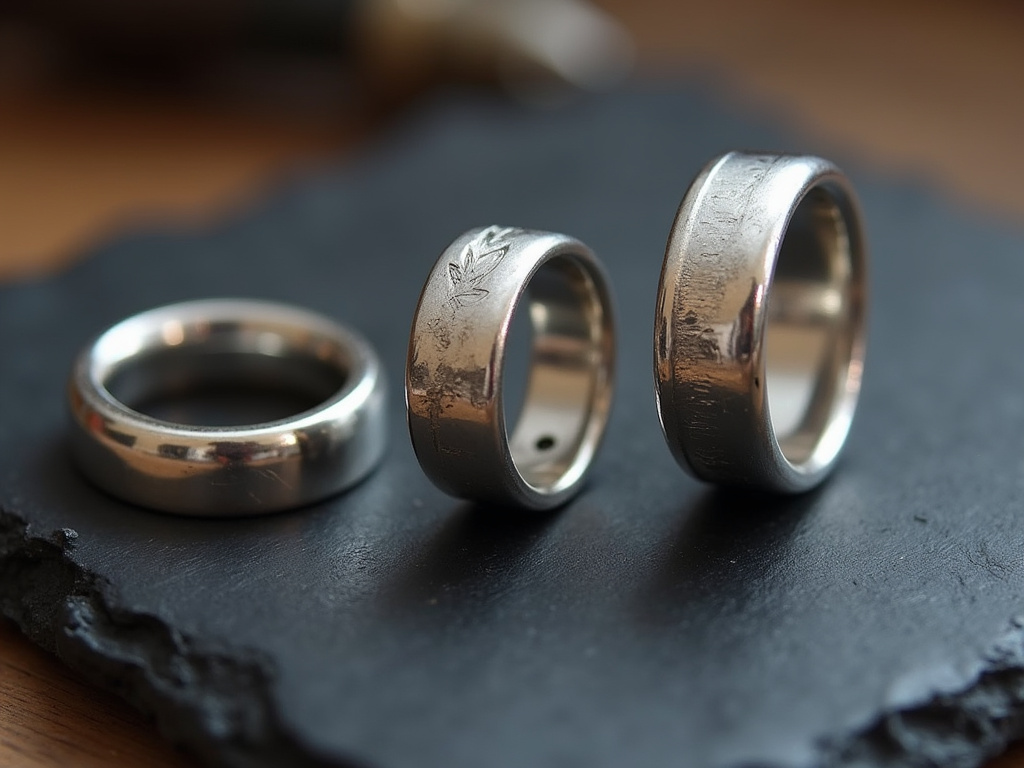
The quest for sterling’s beauty without its main flaw has led to innovative alloys and layered metals. It’s vital to know what you’re buying, as these alternatives come with different price points and care instructions.
Modern Tarnish-Resistant Alloys: These are still solid metals, but they replace the problematic copper with other elements.
* Argentium Silver: This is my personal favorite for everyday rings. It substitutes germanium for most of the copper. The result? Tarnish resistance is improved by over 50%, it’s highly hypoallergenic, and for jewelers, it eliminates “firescale,” a reddish oxidation that appears during soldering. It’s a superior material for heirloom-quality pieces you rarely want to polish.
* Sterlium & Silvadium: Other proprietary alloys may use blends including zinc, platinum, or silicon to achieve similar tarnish-resistant and hardening properties.
Layered or Composite Materials: These are not solid sterling silver and should not be stamped “925” alone.
* Silver-Filled: A thick layer of sterling silver is mechanically bonded to a brass core. By U.S. law, the silver must constitute at least 5% of the total weight. It’s far more durable than plating but can wear through if deeply scratched. There’s no universal quality stamp, making it tricky to identify.
* Silver-Plated: A microscopic layer of silver is electroplated onto a base metal like brass or nickel. It offers the look at a low cost but will wear off with friction, revealing the base metal beneath. It requires different silver jewelry care.
* Weighted Sterling: Used for hollow items like candle holders or large pendant bases. A thin sterling silver shell is filled with plaster or resin for stability. It is marked “sterling” but is not solid throughout.
If you want to explore metals that avoid this issue entirely, our guide to tarnish-resistant jewelry covers options like platinum, titanium, and solid karat gold.
How Do You Clean and Polish Sterling Silver Safely?
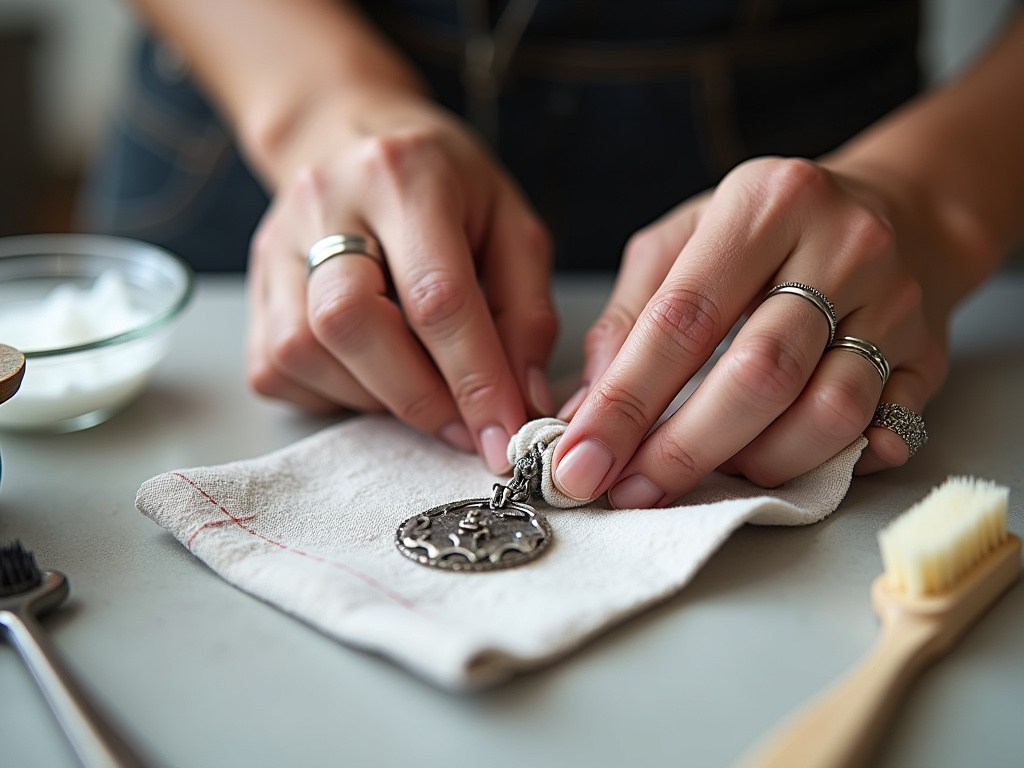
Cleaning isn’t one act; it’s a spectrum from light maintenance to restoration. Using the wrong tool can do more harm than good, as I discovered with my grandmother’s filigree locket. A rushed scrub with a baking soda paste permanently polished the delicate matte finish to an uneven shine. Now, I follow this hierarchy of care.
For Daily/Weekly Maintenance (No Tarnish Visible):
- Tool: Hagerty 100% Cotton Silversmiths Polishing Cloth (Model 100).
- Method: Gently rub the piece with the untreated, soft side of the cloth. The goal is to remove skin oils, not to polish aggressively. This is often all you need after regular wear.
For Light Tarnish (Yellowish or Dull Film):
- Fill a bowl with lukewarm water and a drop of phosphate-free dish soap like Seventh Generation Free & Clear.
- Soak the jewelry for 5-10 minutes to loosen grime.
- Gently agitate with your fingers or a soft-bristled toothbrush reserved for this purpose.
- Rinse thoroughly under running water.
- Dry immediately and completely. This is critical. I dry with a separate, clean cotton cloth, getting into every crevice until the metal feels warm and squeaky-clean against my skin. Leftover water causes spotty mineral deposits.
For Heavy Tarnish (Black Patina):
For a severely tarnished piece that doesn’t have gemstones or oxidation detailing you want to preserve, a chemical dip like Connoisseurs Silver Jewelry Dips can be effective. It lifts tarnish without abrasion. Always follow the product instructions and rinse thoroughly. For step-by-step methods, including a baking soda paste approach, see our guide on removing tarnish from jewelry.
Expert Tip: Never use toothpaste, bleach, or abrasive sponges. They will microscopically scratch the surface, making future tarnish adhere faster and giving the metal a permanently dull finish.
How Can You Test if Jewelry Is Real Sterling Silver?
Before you buy or to verify an unmarked heirloom, a few simple at-home tests can separate real sterling from plated fakes. I keep a rare-earth magnet and a loupe in my jewelry kit for this exact purpose.
| Test | How to Perform It | Indication of Real Sterling Silver |
|---|---|---|
| Hallmark Inspection | Use a jeweler’s loupe (10x magnification) to examine the interior of a ring band, clasp, or jump ring. | A clear, stamped “925”, “.925”, “Ster”, or “Sterling” mark. |
| Magnet Test | Hold a strong neodymium magnet near the piece. | The magnet will not be attracted to sterling silver. If it sticks strongly, the core is a ferrous metal like steel. |
| Weight & Temperature | Feel the piece’s heft. Then, place it against your cheek or the back of your hand. | It will feel substantial for its size and distinctly cool to the touch, warming slowly due to high thermal conductivity. |
| Smell Test | Rub the piece vigorously between your fingers for 10-15 seconds, then smell it immediately. | Pure silver is odorless. A strong metallic or coppery smell indicates a base metal like brass or copper. |
If a piece passes the hallmark and magnet tests, it’s likely genuine. For definitive, non-destructive analysis on a valuable or sentimental unmarked piece, a jeweler can perform an X-ray fluorescence (XRF) test, which gives an exact elemental breakdown.
Frequently Asked Questions
Does sterling silver turn your skin green?
It can, but the green mark isn’t from the silver. It’s from the copper in the alloy reacting with acids in your sweat, forming copper salts that transfer to your skin. It’s harmless and washes off easily. If it’s a persistent issue, consider a modern alloy like Argentium or explore the science behind skin discoloration from jewelry.
Can I wear sterling silver in the shower or pool?
It’s best to remove it. Chlorine, salt, and harsh soaps can chemically attack the metal, causing permanent discoloration or pitting. Hard water minerals also leave a dulling film. If you accidentally wear it in water, rinse with fresh water and dry thoroughly immediately after.
Is sterling silver hypoallergenic?
It is considered hypoallergenic for most people. However, the 7.5% copper content can cause reactions for those with a severe copper allergy. In these cases, seek out nickel-free sterling (some copper alloys contain trace nickel) or germanium-based alloys like Argentium, which are highly hypoallergenic.
How can I tell if my tarnished jewelry is silver-plated or solid sterling?
Examine areas of high friction, like the back of a pendant or the inside of a ring band. If you see a different, reddish or brassy-colored metal wearing through, it’s plated. Solid sterling will tarnish uniformly. The magnet test is also a strong indicator, as the brass or nickel core of plated items is often non-magnetic but feels lighter and less cool than solid silver.
What’s the best way to clean a heavily tarnished silver necklace chain?
For a delicate chain, a chemical dip is often safest to avoid bending links. For a sturdier chain, the warm soapy water method with gentle agitation works well. Pay special attention to the clasp. Our focused guide on cleaning a silver necklace has detailed techniques for different chain styles.
Before You Go
Sterling silver’s beauty lies in its perfect balance, precious enough to feel special, yet durable enough for everyday stories. That 92.5% standard, detailed in the sterling silver composition standard, is a centuries-old recipe for wearable art. Understanding it transforms you from a passive owner into an informed caretaker.
Your care routine doesn’t need to be complex, but it should be consistent. A good polishing cloth, thoughtful storage, and knowing when to use a gentle soap bath over a harsh polish will keep your pieces luminous for decades. Remember, the goal isn’t to fight its nature, but to curate its character. A little knowledge, like the kind in our guide on preventing jewelry tarnish, lets you enjoy the warm glow without the constant battle against the gray.
